Now Reading: 10 High Protein Dessert Recipes for Weight Loss
-
01
10 High Protein Dessert Recipes for Weight Loss
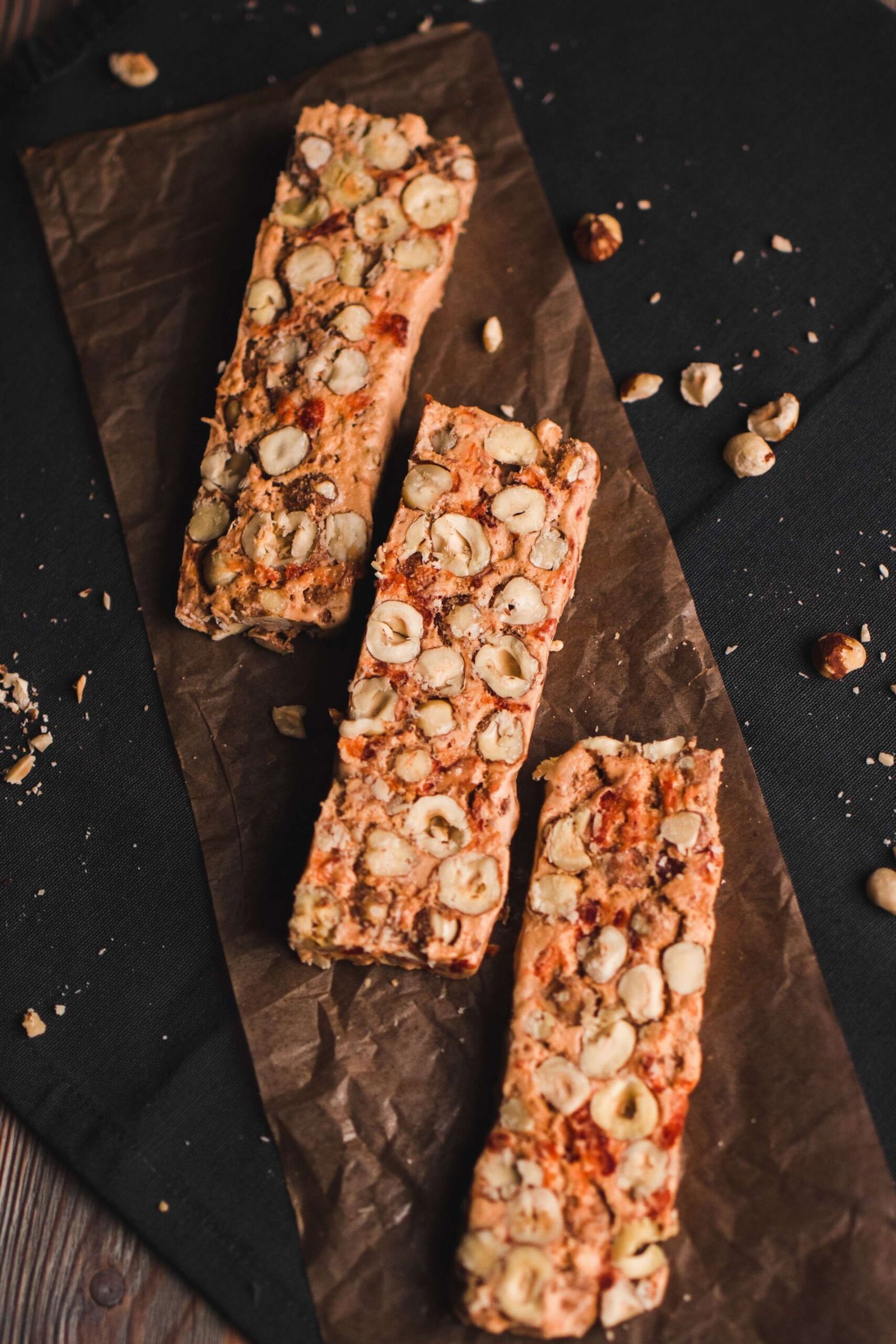
Losing weight doesn’t mean you have to give up dessert. By swapping in a few smart ingredients, you can enjoy sweet treats that are high in protein and not overloaded with calories.
These high-protein dessert recipes use ingredients like Greek yogurt, cottage cheese, eggs, chia seeds, and protein powder. They’re easy to make and let you enjoy something sweet while staying on track with your nutrition goals.
Protein won’t burn body fat on its own. Still, research shows that eating more protein can help you feel full and keep your muscles while you’re eating fewer calories.
Why Choose High Protein Desserts for Weight Loss?
Protein usually makes you feel fuller than carbs or fat. One research review in The American Journal of Clinical Nutrition found that protein helps people feel satisfied and may help some eat fewer calories overall.
Protein can also help you keep muscle while losing weight. In a 12-week study of 46 women on calorie-restricted diets, those who ate more protein lost about 1.5 kg of muscle, while those with less protein lost 2.8 kg.
So, high-protein dessert recipes are helpful if you use them instead of higher-calorie desserts, not just in addition to them.
10 High Protein Dessert Recipes for Weight Loss
Here are 10 easy recipes. Nutrition values are estimates since brands of yogurt, protein powder, milk, and other ingredients can vary.
1. Greek Yogurt Chocolate Pudding
Approx. 180 calories | 22g protein
Mix 1 cup of nonfat Greek yogurt with 1 tablespoon of unsweetened cocoa powder, vanilla extract, and your preferred sweetener. Add a splash of milk if you want a thinner pudding.
Chill it in the fridge for 15 to 30 minutes before eating. This recipe is one of the easiest because there’s no baking or complicated steps.
2. Cottage Cheese Chocolate Mousse
Approx. 190 calories | 24g protein
Blend 1 cup of low-fat cottage cheese with 1 tablespoon cocoa powder, vanilla, and a little sweetener. Blend until the cottage cheese becomes completely smooth.
It ends up tasting more like chocolate mousse than cottage cheese. Top with strawberries or raspberries for extra natural sweetness.
3. Chocolate Protein Mug Cake
Approx. 220 calories | 25g protein
Combine one scoop of chocolate protein powder with one egg, 1 tablespoon cocoa powder, a small amount of milk, and ¼ teaspoon baking powder.
Pour the mixture into a microwave-safe mug and cook it in the microwave until done. Since microwaves differ, check often so the cake doesn’t dry out.
Single-serving recipes like this help with portion control, too.
4. Greek Yogurt Berry Parfait
Approx. 220 calories | 20g protein
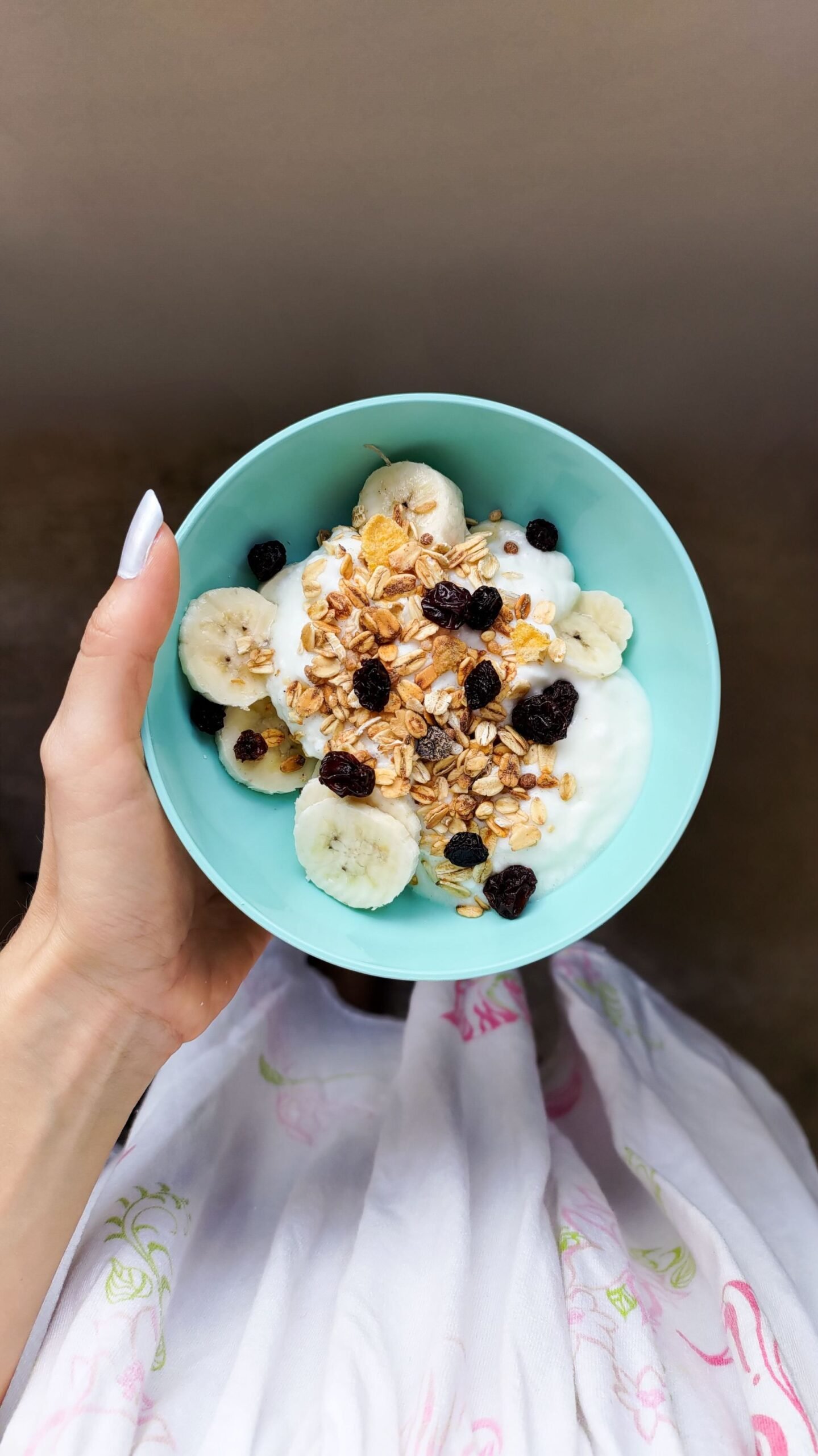
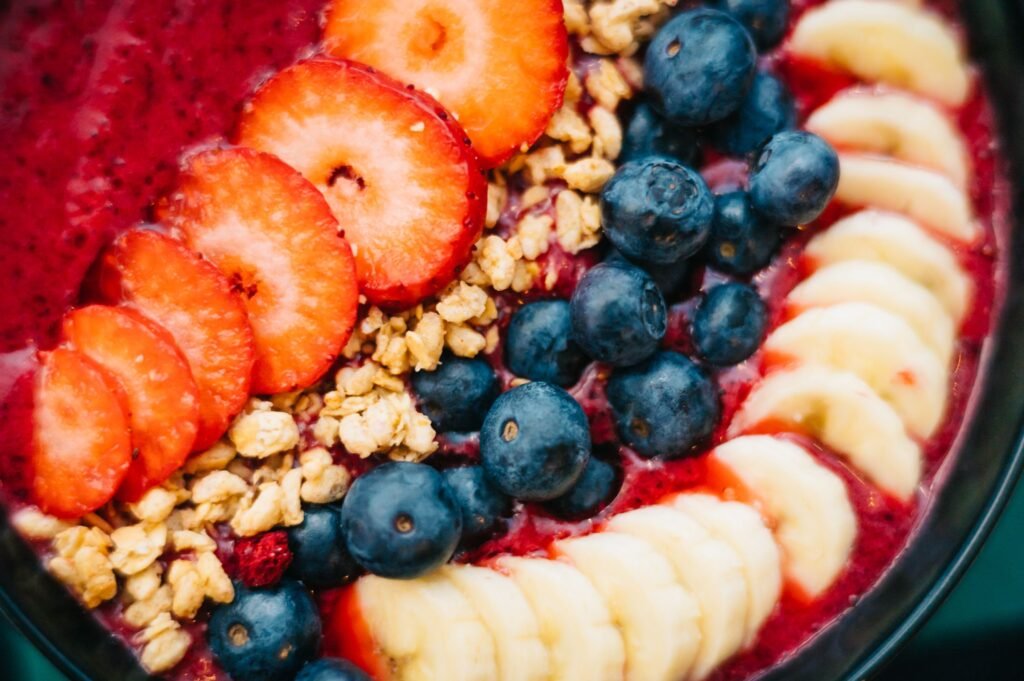
Layer ¾ to 1 cup of Greek yogurt with strawberries, blueberries, or raspberries. Add a tablespoon or two of granola for crunch.
Berries add sweetness and bulk without much added sugar. Parfaits like this are especially nice as high-protein desserts during warmer months.
5. Peanut Butter Protein Balls
Approx. 200 calories | 12g protein per serving
Mix protein powder with rolled oats, peanut butter, and enough milk to create a firm mixture. Roll it into small balls and refrigerate them.
Peanut butter adds protein and flavor, but it’s high in calories. If you’re trying to lose weight, measure it instead of scooping straight from the jar.
6. Frozen Greek Yogurt Bark
Approx. 170 calories | 17g protein
Spread Greek yogurt in a thin layer over parchment paper. Add berries and a small amount of chopped dark chocolate or nuts.
Freeze until solid and break the yogurt into pieces.
Frozen yogurt bark is refreshing and simple to make ahead. Store portions separately in your freezer for a quick, grab-and-go dessert.
7. Cottage Cheese Cookie Dough
Approx. 230 calories | 24g protein
Blend cottage cheese with vanilla and your preferred sweetener. Stir in protein powder and a small amount of chocolate chips.
This dessert is inspired by cookie dough but doesn’t use raw flour or eggs, so it’s safe to eat.
If you want something richer than yogurt, this is a great high-protein dessert option.
8. Cinnamon Apple Protein Bowl
Approx. 210 calories | 20g protein
Chop an apple and cook it gently with cinnamon and a splash of water until soft. Spoon the warm apple over Greek yogurt.
You get the cozy taste of apple dessert plus protein from the yogurt. Add a few chopped walnuts for crunch, but keep in mind they add extra calories.
9. Chocolate Chia Protein Pudding
Approx. 240 calories | 20g protein
Combine 2 tablespoons of chia seeds with milk, cocoa powder, and about half a scoop of protein powder. Stir thoroughly and refrigerate for several hours or overnight.
Chia seeds soak up the liquid and make the pudding thick. Add more or less milk to get the texture you like best.
10. High Protein Cheesecake Cup
Approx. 230 calories | 22g protein
Blend Greek yogurt or cottage cheese with a small amount of light cream cheese, vanilla, and sweetener.
Chill the mixture and serve it with fresh berries. You can also sprinkle a small amount of crushed graham cracker on top for a more traditional cheesecake flavor.
This recipe gives you a creamy cheesecake taste while keeping protein as the main focus.
Best Ingredients for High Protein Weight Loss Desserts
Some ingredients make it much easier to prepare high-protein desserts for weight loss.
Greek yogurt is great because it can replace higher-calorie creamy ingredients and adds protein. Cottage cheese works in a similar way and gets very smooth when blended.
Eggs add protein and help baked desserts hold together. Protein powder boosts protein without adding much bulk. Chia seeds give some protein, extra fiber, and make puddings thick naturally.
You don’t have to use every ingredient at once. Simple recipes are often the easiest to stick with.
How Much Protein Should a Dessert Have?
There is no universal nutritional definition that says a dessert must contain a particular number of grams to qualify as “high protein.”
For context, the FDA’s Daily Value for protein is 50 grams per day based on a 2,000-calorie diet, although individual needs can be higher or lower. The FDA also defines “high,” “rich in,” or “excellent source of” protein for food-labeling purposes as providing at least 20% of the Daily Value per reference amount.
For these recipes, try to get about 15 to 30 grams of protein per serving. Your own needs depend on your size, activity level, age, and health.
Are High Protein Desserts Actually Good for Weight Loss?
They can help, but just adding protein doesn’t automatically make dessert good for weight loss.
Weight loss still depends on your overall calorie balance. For example, a protein brownie with lots of peanut butter, dates, coconut oil, chocolate, and nuts might have more calories than a small regular brownie.
Research shows that higher-protein diets can help you feel full and keep muscle in the short term, but over time, the weight loss difference between high- and low-protein diets is usually small.
So, use high-protein dessert recipes as part of a balanced, calorie-controlled diet instead of expecting protein alone to cause weight loss.
How to Make High Protein Desserts Lower in Calories
Start by watching out for ingredients that are high in calories, even in small amounts. Nut butter, nuts, chocolate, oils, honey, maple syrup, and granola are fine in a healthy diet, but their calories add up fast.
Use Greek yogurt instead of lots of heavy cream. Add berries or chopped fruit for sweetness and bulk. Measure high-calorie toppings instead of adding them freely.
Serving size is important, too. The FDA suggests checking serving sizes on packages, since many have more than one serving inside.
High Protein Desserts Without Protein Powder
You can easily make high-protein desserts for weight loss without using protein powder.
Greek yogurt chocolate pudding, cottage cheese mousse, yogurt parfaits, cottage cheese cheesecake cups, and egg-based desserts naturally contain meaningful amounts of protein.
You can also mix chia seeds with high-protein dairy milk or yogurt. Protein powder is just a convenient option, not a must for making a protein-rich dessert.
Frequently Asked Questions
What dessert has the most protein?
Desserts made with cottage cheese, Greek yogurt, eggs, or protein powder can have 20 grams or more of protein per serving. The exact amount depends on the recipe and portion size.
Can I eat dessert while losing weight?
Yes, you don’t have to cut out dessert to lose weight. What matters most is that your overall eating habits and calorie intake match your goal.
Is Greek yogurt good for weight loss?
Greek yogurt gives you protein and can replace higher-calorie creamy ingredients in some recipes. Still, no single food will cause weight loss on its own.
Is cottage cheese good for high protein desserts?
Yes. Cottage cheese is great for mousse, pudding, cheesecake-style desserts, and cookie-dough-inspired treats. Blending it makes the texture smooth.
What are the best high-protein dessert recipes for weight loss?
Greek yogurt chocolate pudding, cottage cheese mousse, chocolate protein mug cake, frozen yogurt bark, berry parfaits, and high-protein cheesecake cups are all easy recipes to try first.
Can I make high-protein desserts without protein powder?
Absolutely. Greek yogurt, cottage cheese, eggs, milk, and chia seeds all add protein without needing protein powder.
Final Thoughts
The best high-protein dessert recipes for weight loss aren’t always the ones with the most protein. They should taste good, fit your calorie needs, give you a satisfying portion, and be easy to make often.
Try starting with Greek yogurt pudding, cottage cheese mousse, frozen yogurt bark, or a protein mug cake. Mix in different fruits and flavors until you find desserts you really like.
Most importantly, remember that high-protein dessert recipes work best as part of a healthy eating plan, not as a shortcut for losing body fat.
Helpful YouTube Resource
Here’s a healthy recipe:
References
- Leidy HJ, et al. — Higher Protein Intake Preserves Lean Mass and Satiety With Weight Loss
Read the study on PubMed - Paddon-Jones D, et al. — Protein, Weight Management, and Satiety
Read the review on PubMed - Leidy HJ, et al. — The Role of Protein in Weight Loss and Maintenance
Read the review on PubMed - FDA — Interactive Nutrition Facts Label: Protein
Read FDA protein guidance - U.S. Department of Health and Human Services — Dietary Guidelines for Americans 2025–2030
View the current Dietary Guidelines

Hi, I’m Kristi Jenkins, a passionate blogger and content writer with a love for storytelling. With years of experience in writing engaging and insightful articles, I focus on topics like mental health, lifestyle, and personal growth. My goal is to create content that inspires, educates, and connects with readers on a deeper level.