Now Reading: 20 High Protein Low Calorie Foods for Weight Loss
-
01
20 High Protein Low Calorie Foods for Weight Loss
Losing weight can be tough, especially if you feel hungry all the time. Maybe you have a small breakfast and end up looking for snacks soon after. Picking the right foods can help make healthy eating simpler.
Including high protein, low calorie foods in your meals can help you feel full and keep your muscles strong while losing weight. These foods give you important nutrients without adding too many calories.
Whether you prefer chicken, fish, dairy, or plant-based foods, there are plenty of tasty options to choose from.
Why is protein important for weight loss?
Protein is important for keeping your body healthy. It helps build and repair muscles, supports normal body functions, and makes you feel full after eating.
Protein Helps You Feel Full
Meals high in protein can help reduce hunger and make it easier to control your daily calories. Researchin The American Journal of Clinical Nutrition found that higher protein diets can help with weight management by making you feel fuller.
Protein Supports Muscle Maintenance
When you lose weight, you can lose both fat and muscle. Eating enough protein, especially along with strength exercises, helps keep your muscles while you lose weight.
Protein Supports Balanced Nutrition
Many protein-rich foods also have iron, calcium, vitamins, and other nutrients. Choosing high protein, low calorie foods can help you make balanced and satisfying meals while losing weight.
Eating protein alone will not make you lose weight. The most important things are your overall calorie intake and your eating habits.
20 Best High Protein Low Calorie Foods for Weight Loss
Here are some high protein, low calorie foods for weight loss, including both animal and plant-based options. Choose the ones that fit your taste, dietary needs, and budget.
Lean Meat and Poultry
1. Skinless Chicken Breast
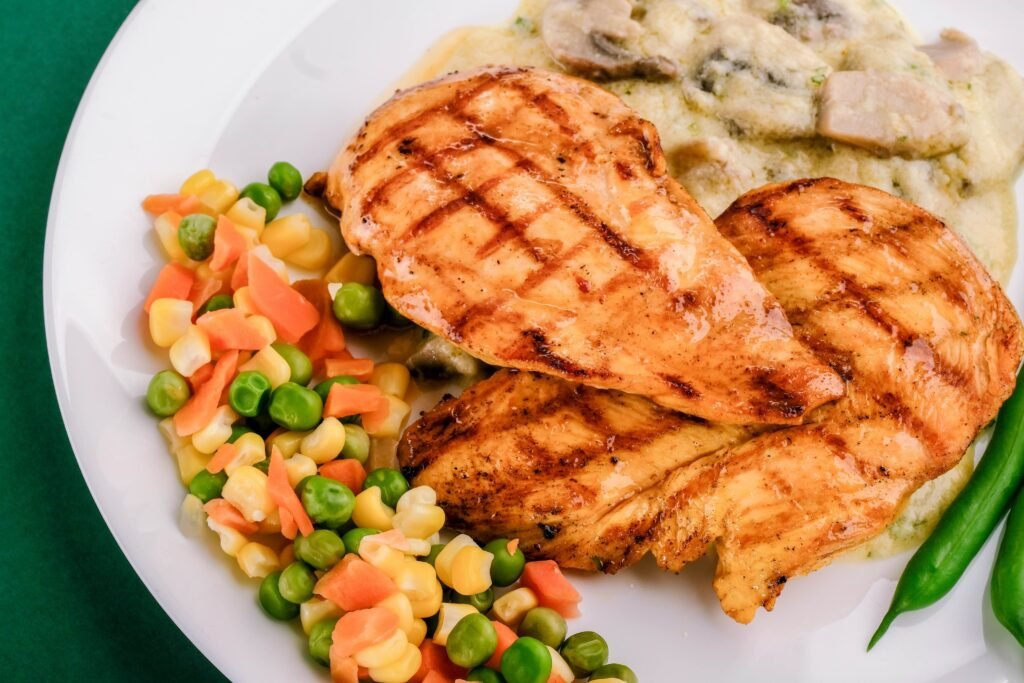
Chicken breast is one of the most popular lean proteins. 100g of cooked, skinless chicken breast contains around 31g of protein and 165 calories. Try grilling or baking it with some vegetables.
2. Turkey Breast
Turkey breast is high in protein and low in fat. It works well in salads, wraps, and sandwiches. If possible, choose fresh, minimally processed turkey.
3. Lean Ground Turkey
Lean ground turkey is great for burgers, meatballs, and vegetable bowls. Be sure to check the fat content, as different products can have different calorie amounts.
4. Lean Beef
Lean beef provides protein, iron, and vitamin B12. Choose lean cuts and watch your portion sizes.
Fish and Seafood
5. Cod
Cod is a lean white fish with about 23g of protein and 105 calories per 100g when cooked. Try baking it with lemon, garlic, and herbs for a simple meal.
6. Tuna
Tuna is a good source of protein and works well in salads and sandwiches. Choose canned tuna in water to keep calories low. Look for lower mercury options and follow seafood guidelines.
7. Shrimp
Cooked shrimp has about 24g of protein and 99 calories per 100g. Grill or boil shrimp and serve with vegetables for a healthy meal.
8. Salmon
Salmon has more calories than most white fish because it contains healthy fats. It is still a great choice for protein and omega-3s.
Eggs and Dairy Products
9. Nonfat Greek Yogurt
Plain nonfat Greek yogurt has about 10g of protein per 100g. Add fresh berries for a filling breakfast or snack.
10. Egg Whites
Egg whites have about 11g of protein and 52 calories per 100g. Try them in omelettes with spinach, mushrooms, and tomatoes.
11. Low-Fat Cottage Cheese
Cottage cheese is rich in protein and calcium. Eat it with fruit, cucumber, or wholegrain crackers. Check labels, as protein and sodium levels can vary by brand.
12. Skim Milk
Skim milk provides protein and calcium with very little fat. Use it in oatmeal, smoothies, or with wholegrain cereal.
Plant-Based Protein Foods
13. Firm Tofu
Tofu is a plant-based protein made from soybeans, with about 10-17g of protein per 100g depending on the type. It is great for stir-fries and salads.
14. Edamame
Edamame, or young soybeans, are a good source of protein and fiber. A serving of cooked edamame makes a filling and convenient snack.
15. Lentils
Cooked lentils have about 9g of protein and 116 calories per 100g. They are also high in fiber, making them great for soups, stews, and salads.
16. Chickpeas
Chickpeas provide protein, fiber, and several minerals. Add them to salads or make homemade hummus. Watch your portion sizes, as they also have carbohydrates and calories.
17. Black Beans
Black beans are affordable, healthy, and easy to cook. Combine them with vegetables, salsa, and brown rice for a simple meal.
18. Tempeh
Tempeh is a fermented soy product that is high in protein. It has more calories than some other plant proteins, so use it in moderate amounts if you are managing your weight.
Convenient Protein-Rich Foods
19. Seitan
Seitan is a wheat-based protein that works well in stir-fries and wraps. It is not suitable for people with celiac disease or gluten intolerance.
20. Plain Skyr
Skyr is a thick cultured dairy product that is usually high in protein and low in calories. Choose the plain kind to avoid added sugar.
These high protein, low calorie foods are very flexible. You can choose animal proteins, vegetarian meals, or a mix of both.
High Protein Low Calorie Foods: Protein and Calorie Comparison
Looking at nutritional values can help you decide what to eat. The numbers below are rough estimates per 100g of food.
| Food | Protein | Calories |
| Cooked chicken breast | 31 g | 165 |
| Cooked turkey breast | 29 g | 135–150 |
| Cooked cod | 23 g | 105 |
| Cooked shrimp | 24 g | 99 |
| Egg whites | 11 g | 52 |
| Plain nonfat Greek yogurt | 10 g | 59 |
| Cooked lentils | 9 g | 116 |
| Cooked chickpeas | 9 g | 164 |
| Firm tofu | 10–17 g | 80–145 |
| Cooked edamame | 12 g | 121 |
Nutrition values are estimates and can change based on the product, how it is prepared, and its water content. You can compare foods using USDA FoodData Central.
5 Easy High-Protein, Low-Calorie Meal Ideas
It’s helpful to know which foods have protein, but it’s even easier to eat well when you combine them into meals you enjoy.
1. Grilled Chicken and Chickpea Salad
Combine grilled chicken breast, chickpeas, lettuce, cucumber, and tomatoes. Add a splash of lemon juice and a little olive oil.
2. Greek Yogurt Breakfast Bowl
Mix plain Greek yogurt with berries and a little chia. This simple breakfast gives you protein, fiber, and natural sweetness.
3. Shrimp and Vegetable Stir-Fry
Cook shrimp with broccoli, bell peppers, and garlic. Use a little oil and serve with a moderate portion of rice.
4. Turkey Lettuce Wraps
Fill lettuce leaves with cooked lean turkey, tomatoes, and a yogurt-based dressing. Add whole grains or another side if you want a more filling meal.
5. Tofu and Edamame Bowl
Mix tofu, edamame, steamed vegetables, and a light sauce. This plant-based meal gives you protein, fiber, and other nutrients.
These ideas show how you can add high protein, low calorie foods to your everyday meals without needing complicated recipes.
How much protein do you need for weight loss?
How much protein you need depends on your age, body weight, activity level, and overall health.
Most healthy adults need about 0.8g of protein per kilogram of body weight each day. People who are active or want to keep muscle while losing weight may need more.
The NIH Office of Dietary Supplements explains how your protein needs can change based on your exercise and training levels.
If you have kidney disease or another condition that affects your protein needs, talk to your doctor or healthcare provider for advice.
Common Mistakes to Avoid When Eating High-Protein Foods
Even healthy foods can have more calories than you expect if you change the portion size or how you prepare them.
Avoid these common mistakes:
- Assuming every protein-rich food is low in calories.
- Adding large amounts of oil, butter, or creamy sauces.
- Ignoring vegetables, fruits, and whole grains.
- Relying entirely on protein shakes.
- Eating too few calories to meet nutritional needs.
- Forgetting to check serving sizes.
A healthy diet should include protein, fiber from complex carbohydrates, healthy fats, and a variety of vitamins and minerals.
Frequently Asked Questions
What food has the most protein per 100kcal?
Egg whites, cod, shrimp, and skinless chicken breast are all high in protein compared to their calories. The best choice is the one you like and that fits your nutritional needs.
Are high protein foods good for belly fat loss?
Protein-rich foods can help with weight management, but no single food will burn belly fat. Lasting fat loss depends on your overall energy balance and lifestyle.
Can vegetarians eat high protein, low calorie foods?
Yes. Tofu, edamame, lentils, low-fat dairy, and skyr are all good options. Vegans can choose soy foods, beans, lentils, and other plant proteins.
Is Greek yoghurt good for weight loss?
Plain Greek yogurt can be part of a balanced weight loss diet because it is high in protein and may help you feel full. Choose varieties without added sugar.
Can you lose weight without protein powder?
Absolutely. Chicken, fish, eggs, dairy, beans, and soy products can give you plenty of protein without needing supplements.
Final Thoughts
Including high protein, low calorie foods in your weight loss plan can make healthy eating more enjoyable and help you keep your muscle.
Begin with foods you enjoy, try simple recipes, and pay attention to portion sizes. Long-term weight management is about balanced nutrition, regular activity, and habits you can stick with.
Helpful YouTube Resource
Here’s a helpful video:
References
- USDA — FoodData Central
https://fdc.nal.usda.gov/ - The American Journal of Clinical Nutrition — The Role of Protein in Weight Loss and Maintenance
https://pubmed.ncbi.nlm.nih.gov/25926512/ - NIH Office of Dietary Supplements — Exercise and Athletic Performance
https://ods.od.nih.gov/factsheets/ExerciseAndAthleticPerformance-HealthProfessional/ - Centers for Disease Control and Prevention — Healthy Weight and Growth
https://www.cdc.gov/healthy-weight-growth/ - Harvard T.H. Chan School of Public Health — Protein
https://nutritionsource.hsph.harvard.edu/what-should-you-eat/protein/

Hi, I’m Kristi Jenkins, a passionate blogger and content writer with a love for storytelling. With years of experience in writing engaging and insightful articles, I focus on topics like mental health, lifestyle, and personal growth. My goal is to create content that inspires, educates, and connects with readers on a deeper level.