Now Reading: Fat Loss Workout for Men: Complete Weekly Plan
-
01
Fat Loss Workout for Men: Complete Weekly Plan
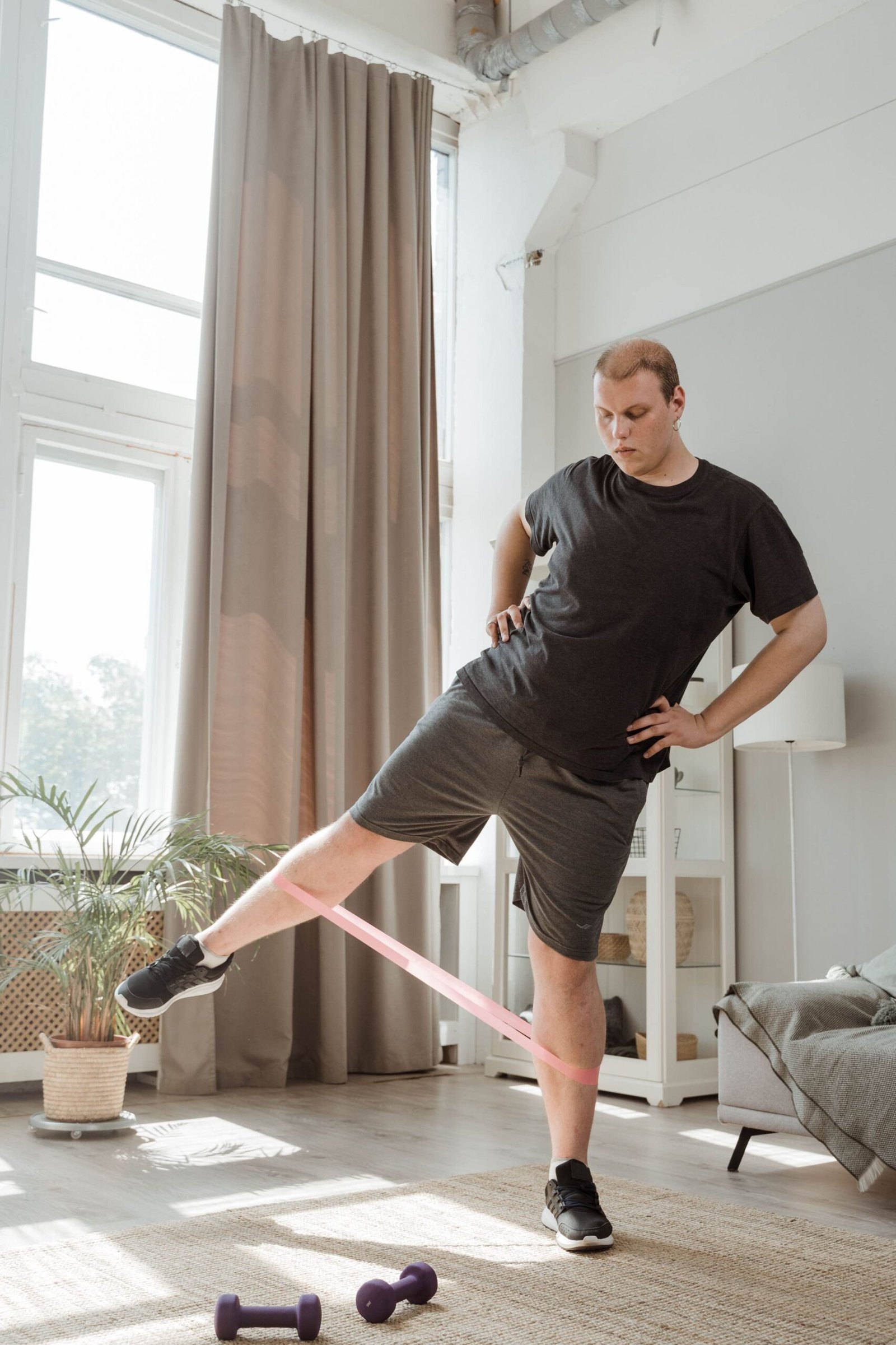
A good fat-loss workout for men should do more than just make you sweat. It needs to help you burn calories, keep your muscles, boost your fitness, and give you a routine you can follow regularly.
Exercise alone is not enough. Losing body fat usually requires a calorie deficit, meaning you use more energy than you take in over time. Combining strength training, cardio, daily movement, balanced nutrition, and recovery is a more sustainable approach.
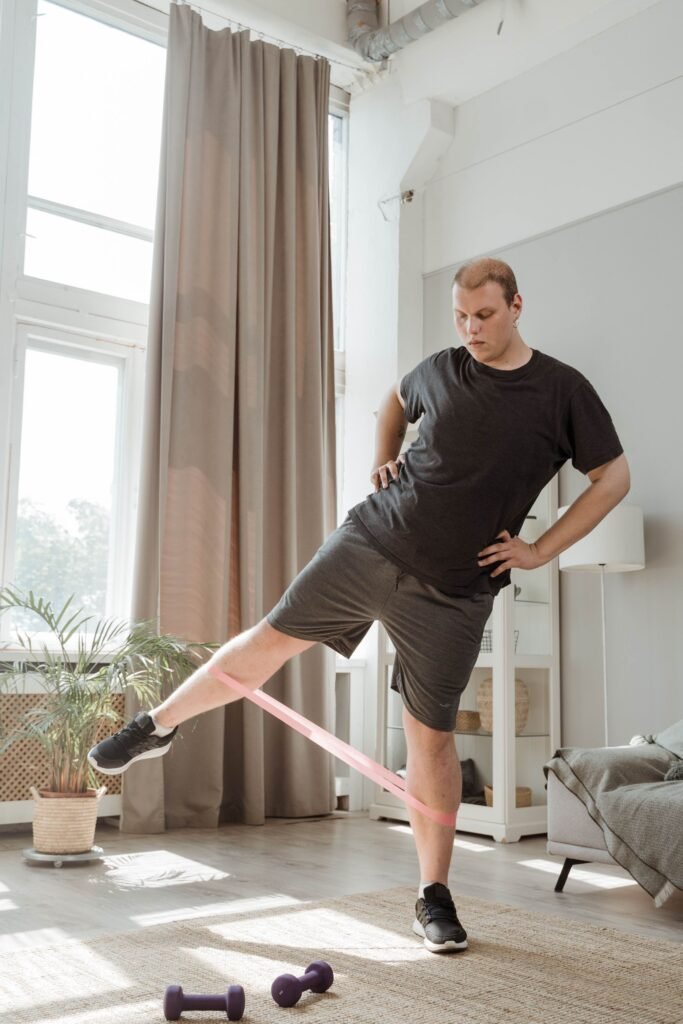
How does a fat-loss workout for men work?
Exercise makes your body use more energy. Strength training helps you keep or build muscle and also makes you stronger.
It’s important to know the difference between losing weight and losing fat. Weight loss means your total body weight goes down, which can include losing fat, water, and muscle. Fat loss means you are reducing the amount of stored fat in your body.
The CDC states that if you combine physical activity with taking in fewer calories, a calorie deficit will result, and this will cause weight loss.
Strength training as opposed to cardio for the purpose of losing fat
When planning a fat-loss workout, men do not have to choose between cardio and weight training. Both types of exercise play different roles and can work well together.
Strength training challenges your muscles and helps you keep your strength and lean muscle. Cardio exercises like brisk walking, cycling, swimming, and running increase your activity level and help you burn more energy.
The Physical Activity Guidelines for Americans state that adults should engage in at least 150 minutes of moderate-intensity aerobic activity each week and carry out muscle-strengthening exercises that include all of the major muscle groups on at least two different days each week.
Weekly Fat Loss Workout for Men
This fat-loss plan for men has three days of strength training and two days of cardio. Beginners can start with fewer sets or shorter cardio sessions and add more as they get fitter.
Monday: Full-Body Strength
| Exercise | Sets × Reps |
| Squat or Leg Press | 3 × 8–12 |
| Bench Press | 3 × 8–12 |
| Seated Row | 3 × 8–12 |
| Romanian Deadlift | 2 × 8–12 |
| Plank | 2–3 sets |
Use weights you can handle for the full movement. The last few reps should feel tough, but your form should stay solid.
Tuesday: Moderate Cardio
Do about 30 to 40 minutes of brisk walking, cycling, using the elliptical, or another moderate-intensity activity.
You should be breathing harder than normal, but still able to talk.
Wednesday: Full-Body Strength
| Exercise | Sets × Reps |
| Split Squat | 3 × 8–12 |
| Overhead Press | 3 × 8–12 |
| Lat Pulldown | 3 × 8–12 |
| Hip Thrust | 2 × 8–12 |
| Farmer’s Carry | 2–3 rounds |
This workout targets both your upper and lower body, and you will change up some of the exercises from Monday.
Thursday: Active Recovery
On Thursday, you can go for a walk, do some easy cycling, try mobility exercises, or simply rest.
Recovery is a key part of a good fat-loss routine for men, especially when you are eating fewer calories.
Friday: Full-Body Strength
| Exercise | Sets × Reps |
| Goblet Squat | 3 × 8–12 |
| Dumbbell Bench Press | 3 × 8–12 |
| Cable Row | 3 × 8–12 |
| Romanian Deadlift | 2 × 8–12 |
| Dead Bug | 2–3 sets |
Focus on doing more repetitions instead of trying to lift the heaviest weight possible.
Saturday: Cardio
Do 30 to 45 minutes of moderate cardiovascular exercise such as walking, swimming, cycling, rowing, or jogging.
Experienced exercisers may choose interval training, but high-intensity interval training is not necessary to lose fat.
Sunday: Rest
Either have a full rest day or engage in some light activity. It is important to focus on getting enough sleep, drinking plenty of fluids, and eating nutritious meals before starting the next week.
Best Exercises for a Fat Loss Workout for Men
No exercise burns body fat best in all cases. An effective fat-loss workout for men should include exercises that work major muscle groups and activities that can be done consistently.
Squats, Romanian deadlifts, bench presses, rows, overhead presses, farmer’s carries, brisk walking, cycling, and running are all good choices.
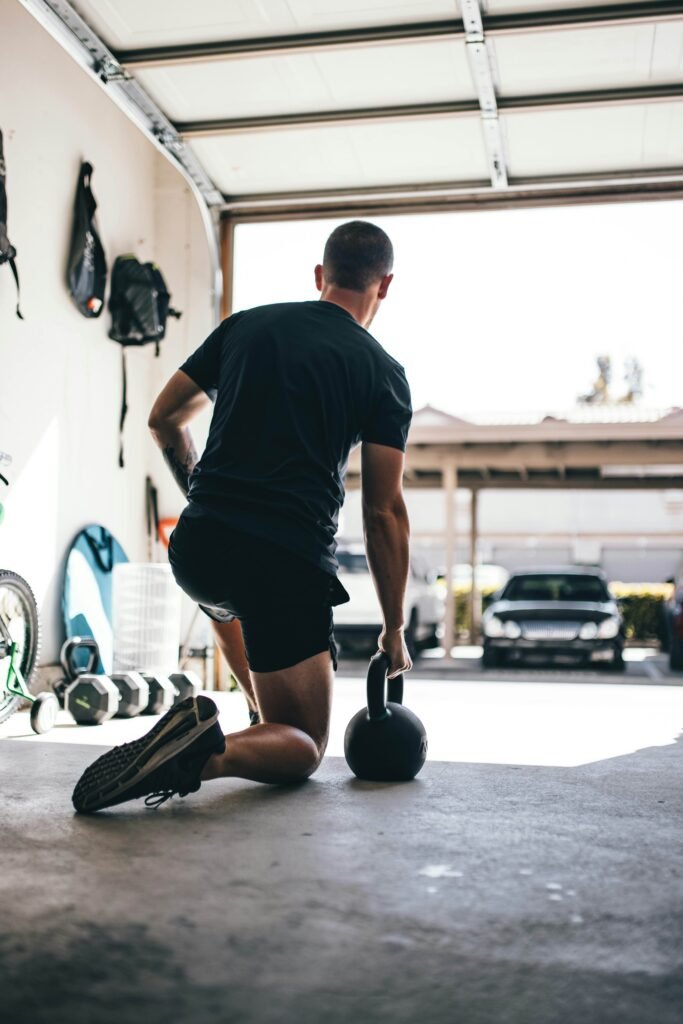
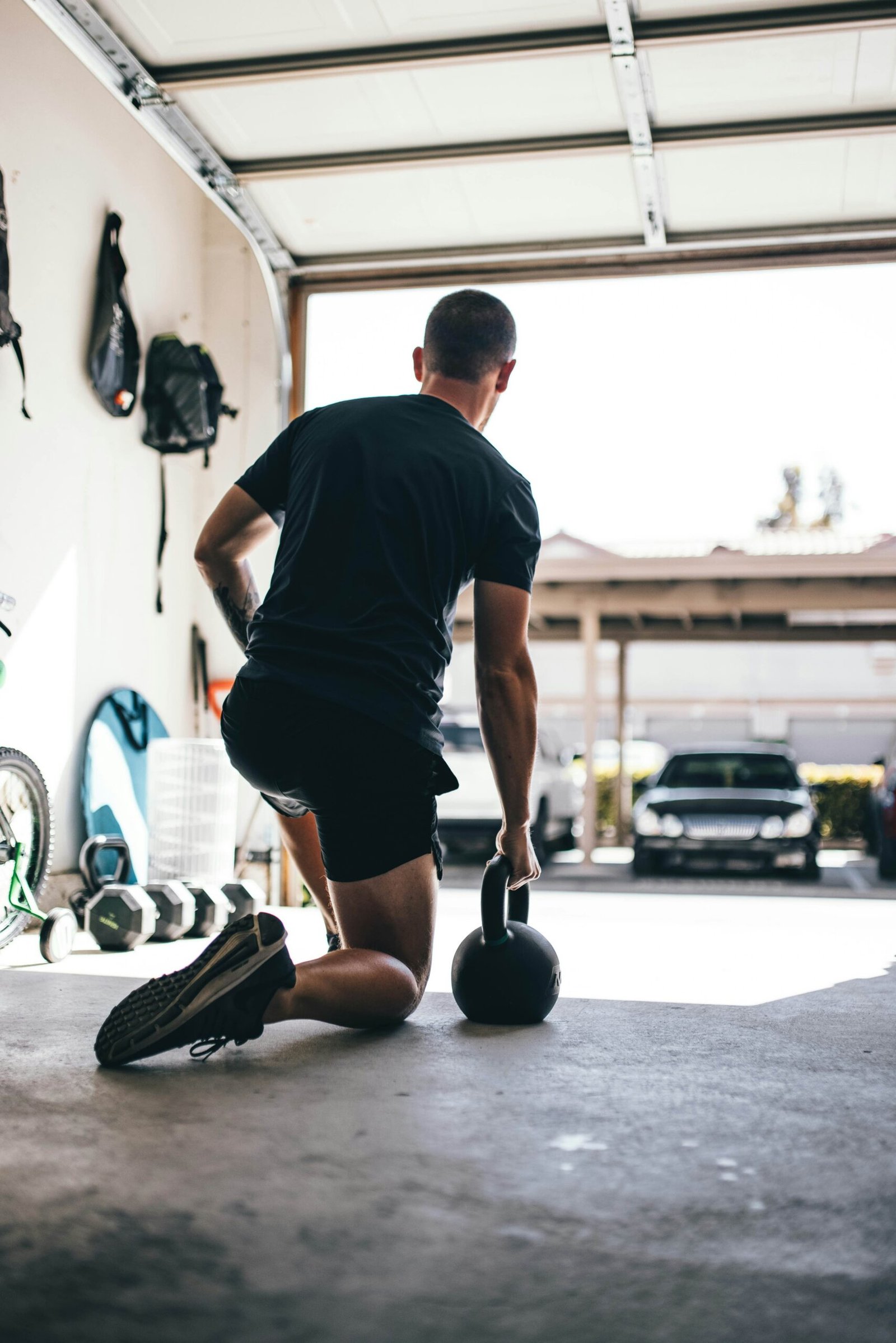
Kettlebell swings can be used as a tough full-body exercise provided that the correct technique is followed. People who are starting out should first master the hip-hinge movement before carrying on to faster kettlebell exercises.
Can exercise cause a reduction in belly fat?
Many men start exercising to lose fat around their abdomens. Unfortunately, doing more crunches does not target fat loss in specific areas.
Abdominal exercises strengthen your core but should not replace a full fat-loss workout.
A randomized controlled trial that was published in the Journal of Strength and Conditioning Research discovered that six weeks of exercising the abdominal muscles increased abdominal muscular endurance but had no significant effect on abdominal fat or on other measures of body composition. (PubMed)
It is better to aim at lowering your total body fat than at trying to burn fat from one particular area.
What amount of cardio should men do to lose fat?
The recommended amount of physical activity for the general public is 150 minutes of moderate-intensity aerobic activity each week, or 75 minutes of vigorous activity, together with muscle-strengthening exercises on at least two days.
The CDC also states that adults can obtain further health benefits by carrying out a greater amount of moderate physical activity than the minimum amount.
You don’t have to go straight from no exercise to spending hours on cardio. Instead, gradually increase your level of activity as your fitness improves.
Should you need HIIT in order to lose fat?
High-intensity interval training involves taking turns between periods of strenuous exercise and longer periods of lighter activity. It is a time-efficient method of carrying out vigorous exercise.
HIIT should not be considered a shortcut or a necessary component of an effective fat-loss workout for men.
Activities like walking, cycling, swimming, resistance training, and other mild exercises contribute to your weekly energy expenditure. Choose exercises you can do regularly rather than forcing intense workouts you dislike.
Nutrition Matters for Fat Loss
No matter how good the workout is for losing fat, it cannot make up for the fact of always taking in more energy than your body uses.
Plan your meals around foods that are rich in nutrients, such as vegetables, fruits, whole grains, lean sources of protein, legumes, nuts, seeds, and other foods that have undergone only minor processing and suit your dietary requirements.
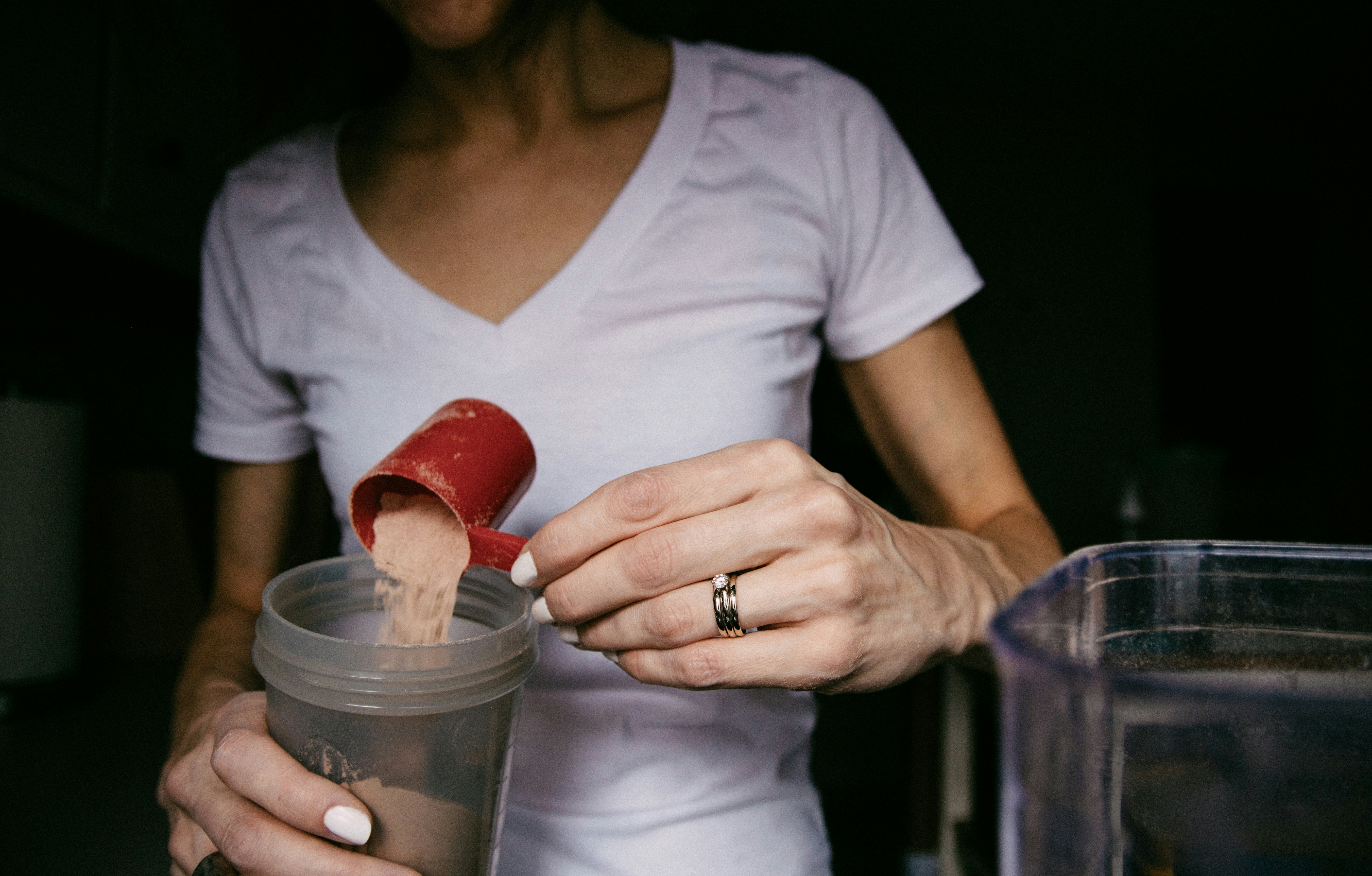
Protein is especially beneficial in the context of resistance training. A large systematic review and meta-analysis that was published in the British Journal of Sports Medicine showed that taking protein supplements increased gains in both muscle mass and strength during extended resistance training. The researchers observed that the benefits seemed to stop rising when total protein intake reached about 1.6 grams per kilogram of body weight per day for most healthy adults. (Morton et al., 2018)
It is not the case that this figure is a mandatory target for all people, since people’s individual needs differ.
Why Sleep and Recovery Matter
Working out harder each day is not always better; the body needs recovery after resistance training and intense cardio.
The CDC states that most adults between the ages of 18 and 60 should aim for seven or more hours of sleep each night, since sleep is important for general health and also influences how ready you are for exercise.
When doing your fat-loss workouts, men should include at least one full rest day, particularly when fatigue starts to affect your workout performance.
How to Progress Your Fat Loss Workout
When your body gets used to the exercises, increase the difficulty of your workouts step by step. This is usually known as progressive overload.
You could include one or two repetitions, a little more resistance, better exercise technique, or slowly increase the duration of your cardio.
For instance, if you are able to do 12 controlled repetitions of an exercise, then increase the weight a little bit and proceed from there towards the higher end of the repetition range.
Make gradual progress instead of turning each workout into an all-out effort.
How to Track Fat Loss Progress
A bathroom scale can provide useful information but should not be the only measurement method.
Keep a record of your waist measurement, your workout performance, your strength, how your clothes fit, and any trends in your body weight over a number of weeks. Additionally, you can take occasional progress photos if you find this helpful.
A person’s weight each day may vary due to water, food, and other things; it is better to consider long-term trends rather than focusing on a single reading.
Common Fat Loss Workout Mistakes
A common mistake is basing your routine only on cardio and avoiding resistance training. Other errors include trying to spot-reduce belly fat, doing too much HIIT, eating too few calories, poor sleep, and constantly changing your workout program.
Do not expect significant results in a few days. A sustainable fat-loss workout should be one you can maintain long enough to achieve real progress.
Remember, exercise should be challenging but not cause sharp or ongoing pain.
Frequently Asked Questions
Which type of exercise is best for losing fat?
There isn’t one exercise that is best; it is better to combine resistance training, aerobic exercise, and everyday physical activity.
Which type of exercise gets rid of the most belly fat?
There is no kind of exercise that specifically reduces fat from the abdomen. While ab workouts strengthen the abdominal muscles, a reduction in overall body fat needs a more comprehensive strategy that includes physical activity and proper nutrition.
Which is better for losing fat, cardio or weight training?
Both of them can be of help; cardio raises the amount of energy used, and resistance training aids in keeping the muscles and strength. A workout aimed at fat loss for men can involve both.
Can walking help with losing fat?
Yes. Walking increases daily physical activity and energy expenditure. It is accessible and easy to adapt to your fitness level.
Should I do HIIT if I want to lose fat?
HIIT may be useful, but it is by no means necessary; moderate cardio combined with strength training can make up a good program.
Final Thoughts
Men looking to lose weight in a sustainable way need not do endless cardio or subject themselves to tough daily workouts. It is enough to combine strength training with cardio, include daily movement, follow a balanced nutrition plan, and ensure adequate recovery.
Most important of all, select a routine that you are able to carry out. The most effective fat-loss workout for men is one that enables you to steadily improve your fitness while helping to maintain a sustainable calorie deficit and retain your muscle.
Helpful YouTube Resource
Here’s a helpful video:
References
1. U.S. Department of Health and Human Services — Physical Activity Guidelines for Americans
https://health.gov/sites/default/files/2019-09/Physical_Activity_Guidelines_2nd_edition.pdf
2. Centers for Disease Control and Prevention — Adult Activity: An Overview
https://www.cdc.gov/physical-activity-basics/guidelines/adults.html
3. Centers for Disease Control and Prevention — Physical Activity and Healthy Weight
https://www.cdc.gov/healthy-weight-growth/physical-activity/index.html
4. Vispute SS, et al. — The Effect of Abdominal Exercise on Abdominal Fat
https://pubmed.ncbi.nlm.nih.gov/21804427/
5. Morton RW, et al. — Protein Supplementation and Resistance Training
https://bjsm.bmj.com/content/52/6/376
6. Centers for Disease Control and Prevention — About Sleep
https://www.cdc.gov/sleep/about/index.html

Hi, I’m Kristi Jenkins, a passionate blogger and content writer with a love for storytelling. With years of experience in writing engaging and insightful articles, I focus on topics like mental health, lifestyle, and personal growth. My goal is to create content that inspires, educates, and connects with readers on a deeper level.