Now Reading: 10 Simple Balance Exercises for Seniors to Try at Home
-
01
10 Simple Balance Exercises for Seniors to Try at Home
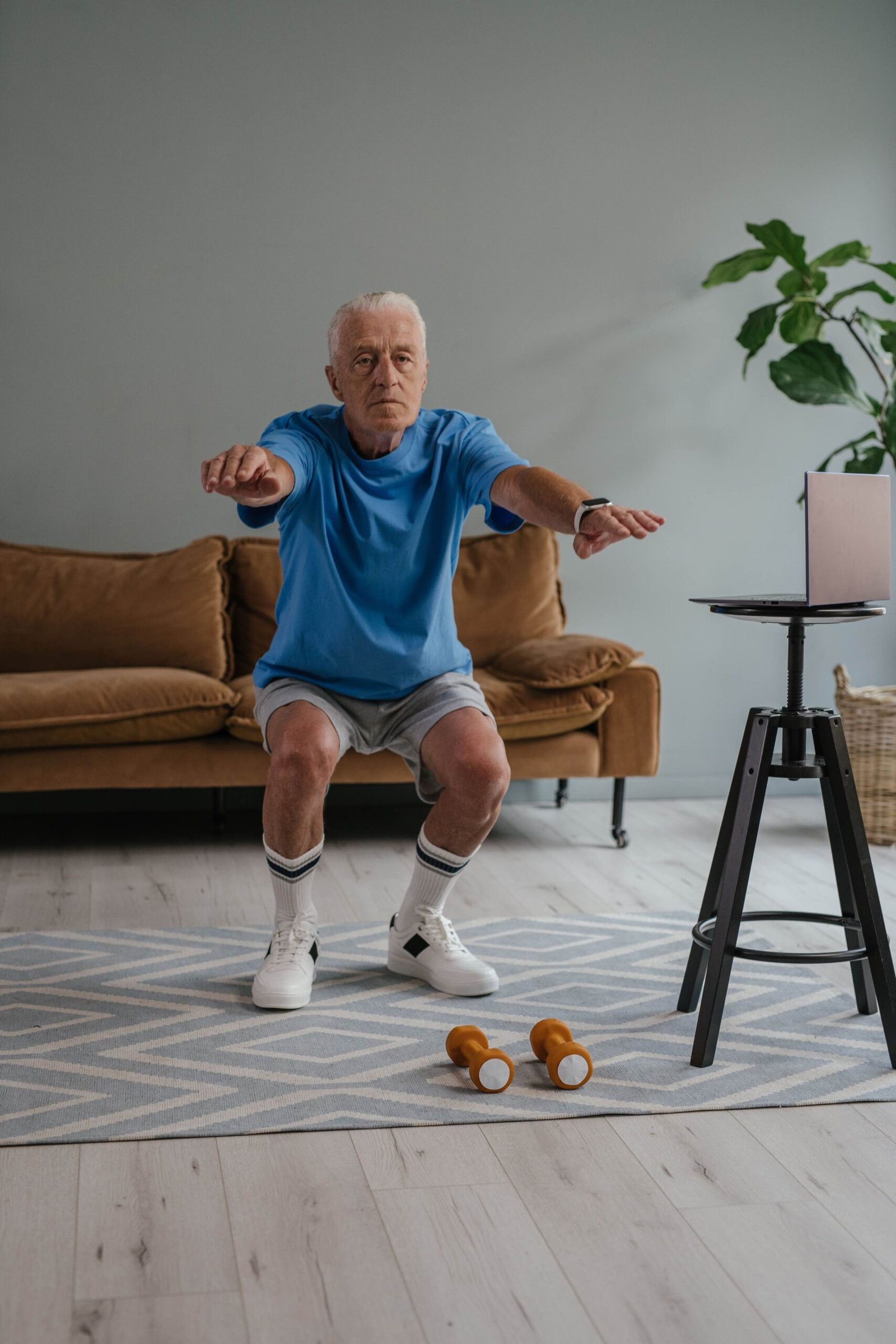
Have you ever felt a little unsteady when standing up from a chair or walking across the room? As we get older, keeping our balance can be harder. But that doesn’t mean you’ll lose your balance completely.
Simple balance exercises can really help older adults build muscle, improve coordination, and make daily activities easier. Most of these exercises don’t need any special equipment. All you need is a sturdy chair, some open space, and a few minutes.
Here are ten simple and easy exercises that can help older adults stay mobile and feel more confident.
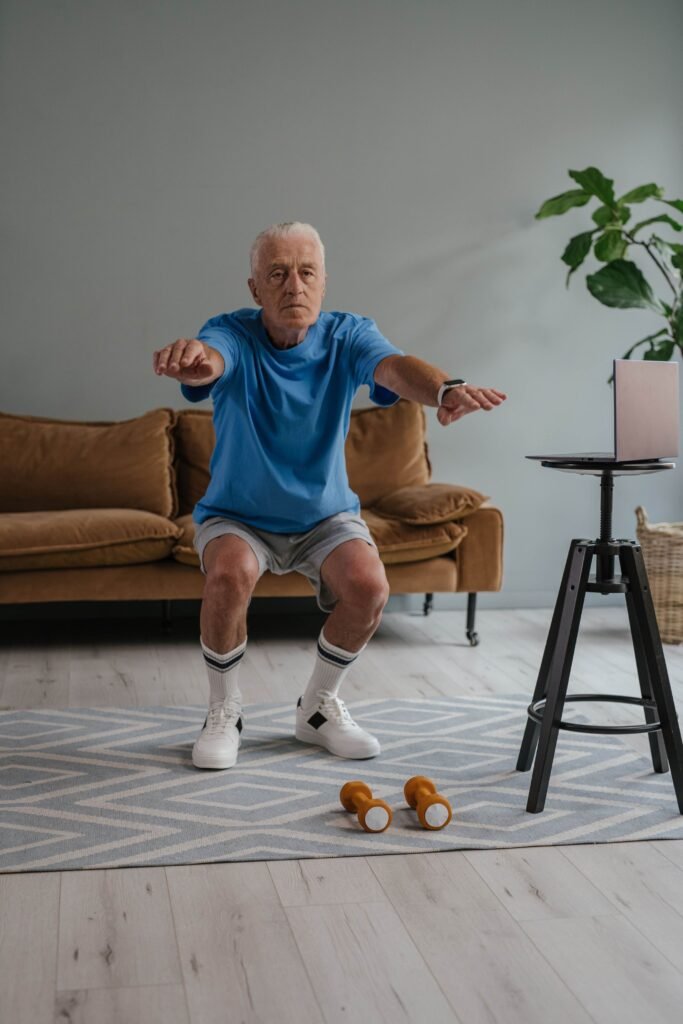
Why Are Balance Exercises Important for Seniors?
Good balance helps us stand, walk, climb stairs, and do daily activities safely. As we get older, changes in muscle strength, vision, feeling, and coordination can make falls more likely.
CDC figures show that over 14 million people aged 65 and over fall each year (that’s one in four of that age group).
Doing balance and strength exercises regularly can lower the risk of falling and help you stay independent. Adding simple balance exercises to your routine can also make you feel more comfortable moving around.
However, no exercise can completely eliminate the risk of falling.
How to Get Started With Balance Exercises Safely
Before you begin these simple balance exercises, make sure your exercise area is safe. Use a flat surface and remove any loose rugs, cords, or other things that could cause you to trip.
Keep these safety tips in mind:
- Use a sturdy countertop or fixed handrail for support.
- Wear comfortable shoes with non-slip soles.
- Start slowly and avoid sudden movements.
- Keep your breathing steady.
- Have someone nearby if you feel unsteady.
- Stop if you experience dizziness, pain, or unusual weakness.
If you’ve recently fallen, are prone to dizziness, or have difficulty standing without support, then you should see a doctor or a physiotherapist prior to commencing.
10 Simple Balance Exercises for Seniors
These simple balance exercises are designed to help older adults improve stability, coordination, and leg strength. Start with a few repetitions and add more as you feel more confident.
1. Weight Shifts
Weight shifts are among the easiest exercises for beginners because both feet remain on the ground.
How to do it:
- Stand behind a sturdy chair or at a countertop.
- Keep your feet hip-width apart.
- Just slowly shift your weight onto your right leg.
- Return to the center and shift weight to your left leg.
- Repeat five to ten times on each side.
This exercise helps your body get used to shifting weight from side to side while staying steady.
2. Single-Leg Stand
Standing on one leg challenges your balance and helps you practice the stability you need for walking.
How to do it:
- Stand right beside a stable countertop.
- Hold the surface with both hands.
- Just slowly lift one foot off the floor.
- Hold for five to ten seconds.
- Lower your foot and switch sides.
Start with full hand support. Do not release your hands unless a qualified professional has confirmed that doing so is safe.
3. Heel-to-Toe Walking
Heel-to-toe walking, also called tandem walking, is a way to challenge your balance while you walk forward.
How to do it:
- Stand next to a long, stable countertop.
- Place one foot directly in front of the other if that’s comfortable.
- Move forward slowly with support readily available.
- Take 5 to 10 careful steps.
- Stop and reset whenever necessary.
The NHS balance exercise guide includes heel-to-toe walking as a balance-training activity.
4. Sideways Walking
Sideways walking helps you practice moving in directions other than straight ahead.
How to do it:
- Stand facing a stable countertop.
- Take a small step to the right.
- Bring your left foot toward your right foot.
- Continue for five steps.
- Repeat in the opposite direction.
Keep your feet facing forward and avoid crossing your legs.
5. Heel Raises
Heel raises make your calf muscles stronger, which helps with standing and walking.
How to do it:
- Stand behind a sturdy chair or countertop.
- Keep your feet hip-width apart.
- Slowly lift your heels off the ground.
- Pause briefly.
- Lower your heels with control.
Begin with eight to ten repetitions.
Heel raises are a good addition to balance exercises for older adults because they work the muscles you use every day.
6. Sit-to-Stand Exercise
Standing up from a chair uses leg strength and coordination. Practicing this movement can make your daily life much easier.
How to do it:
- Sit in a solid chair that won’t slide.
- Just place your feet flat on the floor.
- Lean slightly forward.
- Stand up slowly (use the armrests if you need to).
- Sit down with control.
Repeat five to eight times, depending on your ability.
7. Marching in Place
Marching in place helps improve coordination and teaches your body to shift weight in a controlled way.
How to do it:
- Stand at a stable countertop.
- Hold the surface for support.
- Slowly lift your right knee.
- Lower your foot.
- Repeat with your left leg.
Try ten alternating knee lifts.
Keep the movements small and comfortable rather than lifting your knees as high as possible.
8. Low Step-Ups
Step-ups strengthen your legs and help you practice the movements you use when climbing stairs.
How to do it:
- Stand in front of a low, secure step with a fixed handrail.
- Hold the handrail firmly.
- Step onto the platform with one foot.
- Bring the other foot up if safe.
- Step down slowly.
Start with five reps per leg.
This exercise is a bit more challenging than just standing. If steps are difficult for you, skip this one and ask a professional for advice if you are unsure.
9. Feet-Together Standing
Standing with your feet close together makes it a little harder to keep your balance.
How to do it:
- Stand by a stable countertop.
- Move your feet slightly closer together.
- Keep your body upright.
- Hold for ten to twenty seconds.
- Return to your normal stance.
Keep your hands on the support whenever you need it. You don’t have to close your eyes or make the exercise harder.
10. Gentle Tai Chi Movements
Tai chi combines slow movements, good posture, and gentle weight shifting.
If you are new to tai chi, start with simple, supported movements instead of trying the full routine.
Stand near a stable surface, slowly move your arms, and gently shift your weight from side to side. Practice for two or three minutes.
The NCCIH says tai chi may help with balance and reduce the risk of falls in older adults.
A Simple 10-Minute Balance Routine for Seniors
You don’t need a long workout to start practicing balance exercises. A short, easy routine can help you build a regular habit.
| Exercise | Duration |
| Supported marching | 2 minutes |
| Weight shifts | 2 minutes |
| Heel raises | 2 minutes |
| Sit-to-stand | 2 minutes |
| Supported single-leg stands | 2 minutes |
| Total | 10 minutes |
Take breaks whenever you need. If ten minutes feels too long, start with three to five minutes and build up slowly.
How Often Should Seniors Practice Balance Exercises?
Being consistent is more important than doing hard exercises.
The CDC’s physical activity guidelines for older adults recommend activity each week that includes aerobic exercise, muscle strengthening, and balance training.
A good way to start is by doing simple balance exercises a few times a week. Adjust how often you exercise based on your ability and any advice from a professional.
Try to slowly increase the number of repetitions or how long you exercise. This can help you improve without putting too much strain on your body.
Common Mistakes to Avoid During Balance Training
Even simple exercises should be done safely. Moving too quickly or doing them without support can raise your risk of falling.
Avoid these common mistakes:
- Exercising on slippery or uneven floors.
- Standing too far from a stable support.
- Attempting advanced movements too early.
- Holding your breath during exercises.
- Ignoring pain, dizziness, or unusual fatigue.
- Increasing repetitions before mastering the movement.
Remember, it’s better to practice slowly and with control than to rushsh.
Frequently Asked Questions
What Is the Easiest Balance Exercise for Seniors?
Supported weight shifts ara great way to begin. They let you practice moving your weight while keepingth both feet on the floor.
Can Seniors Improve Their Balance After Age 70?
Yes. Many older adults can improve their balance and strength with regular, appropriate exercise. Progress will vary for each person, depending on health, mobility, and how often they practice.
Are balance exercises safe for those over 80?
Balance exercises can be safe if they are adjusted to fit your abilities. If you have serious balance problems, working with a physical therapist can help.
Can Balance Exercises Help Prevent Falls?
Yes. Research shows that balance and functional exercises can help prevent falls, although they can’t stop every fall.
Can Seniors Do Balance Exercises While Sitting?
Seated exercises can help improve strength and coordination. But to get better at standing balance, you usually need to do supported standing exercises when it’s safe for you.
Final Thoughts
Doing simple balance exercises can help older adults feel steadier, move more easily, and be more confident in daily activities.
Begin with comfortable movements like weight shifts, supported marching, and heel raises. Build your routine slowly, always using stable support and putting safety first.
Practicing for just a few minutes regularly can make a big difference in helping you stay independent as you age.
Helpful YouTube Resource
Here’s a helpful video:
References
- Centers for Disease Control and Prevention — Older Adult Falls Data
https://www.cdc.gov/falls/data-research/facts-stats/index.html - Centers for Disease Control and Prevention — Physical Activity for Older Adults
https://www.cdc.gov/physical-activity-basics/older-adults/index.html - National Health Service — Balance Exercises
https://www.nhs.uk/live-well/exercise/strength-and-flexibility-exercises/balance-exercises/ - Mayo Clinic — Balance Exercises
https://www.mayoclinic.org/healthy-lifestyle/fitness/in-depth/balance-exercises/art-20546836 - National Center for Complementary and Integrative Health — Tai Chi: What You Need to Know
https://www.nccih.nih.gov/health/tai-chi-what-you-need-to-know - National Institute on Aging — Exercise and Physical Activity
https://www.nia.nih.gov/health/exercise-and-physical-activity

Hi, I’m Kristi Jenkins, a passionate blogger and content writer with a love for storytelling. With years of experience in writing engaging and insightful articles, I focus on topics like mental health, lifestyle, and personal growth. My goal is to create content that inspires, educates, and connects with readers on a deeper level.