Now Reading: Clove Water for Teeth: Benefits, Uses, and Safety
-
01
Clove Water for Teeth: Benefits, Uses, and Safety
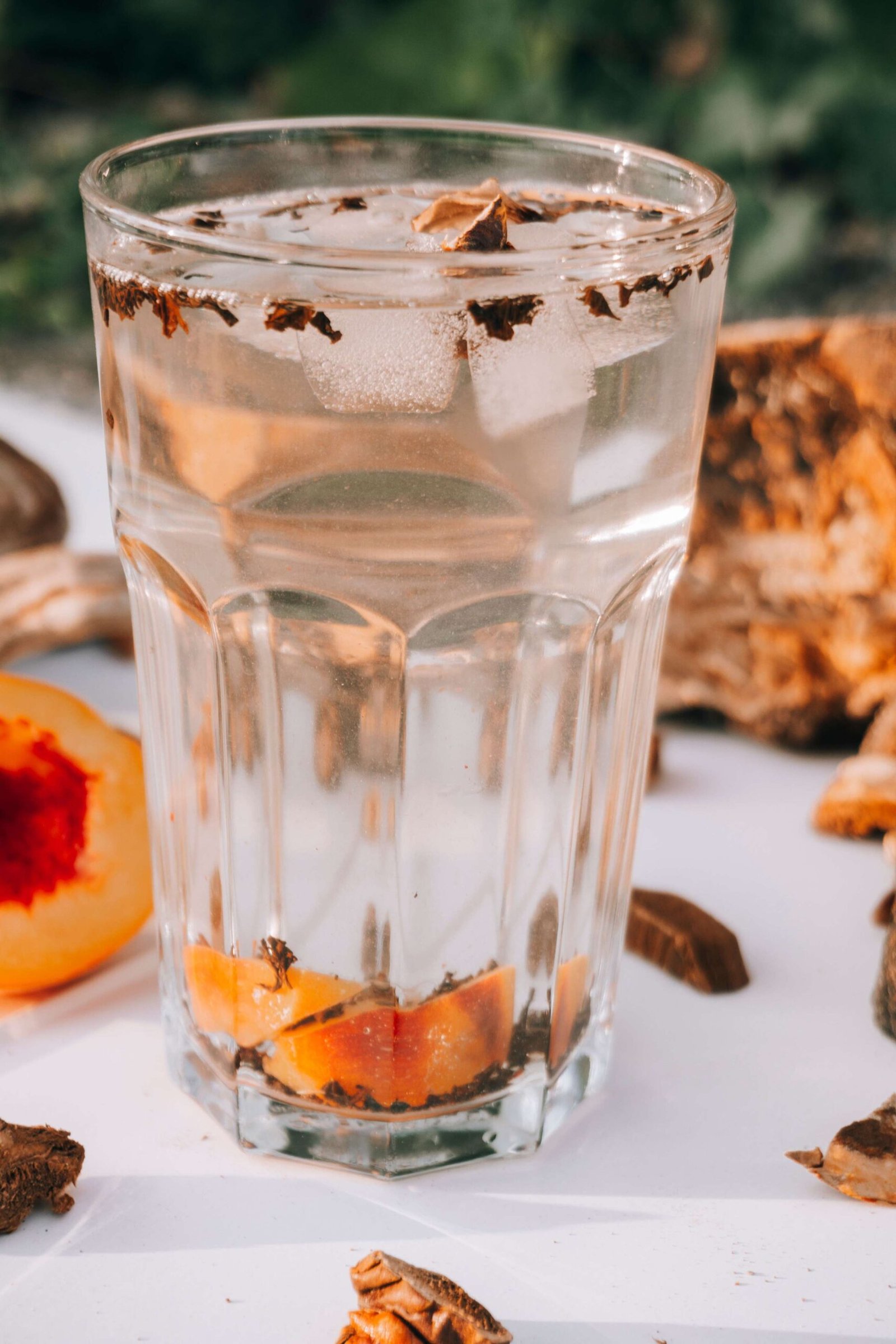
People have used cloves for oral care for many generations, often reaching for them when a toothache strikes unexpectedly. These days, clove water for teeth is a popular home remedy because it is affordable, easy to make, and gentler than clove essential oil.
Cloves have eugenol, a natural compound known for its pain-relieving, antimicrobial, and anti-inflammatory effects. Studies show eugenol can fight some oral bacteria and may help with dental pain. Still, clove water for teeth should be seen as supportive care, not a cure for cavities, infections, or gum disease. (PubMed)
Let’s look at what science says about the possible benefits of clove water and how you can make and use it safely.
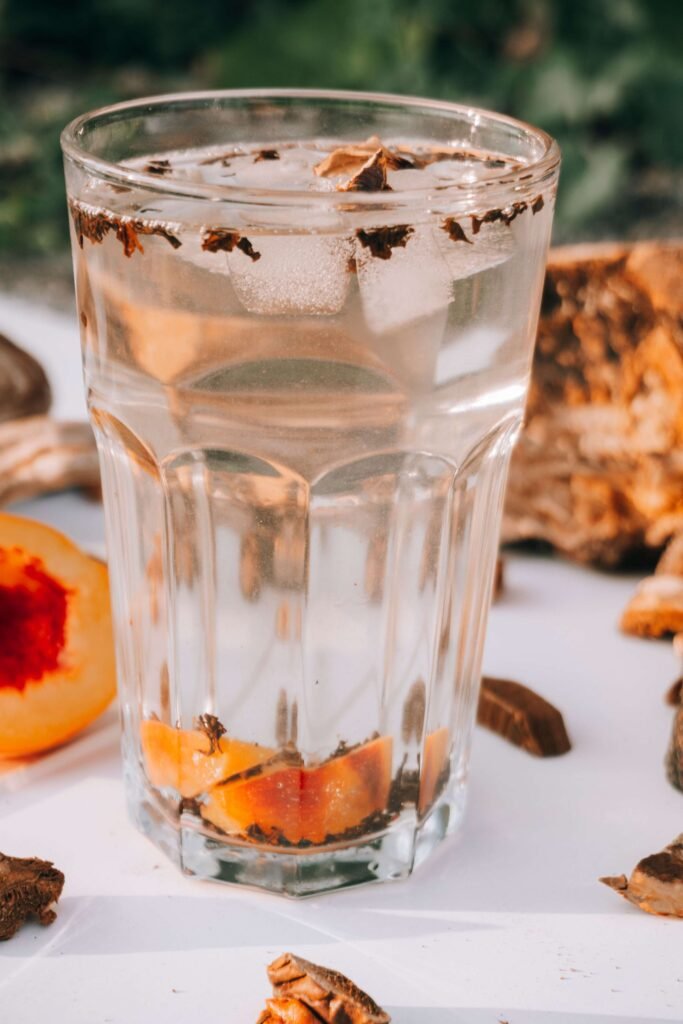
What Is Clove Water?
To make clove water, you steep whole cloves (Syzygium aromaticum) in hot water. As they soak, some of the natural plant compounds from the cloves mix into the water.
Eugenol is the most well-known compound in cloves. Research connects eugenol to antioxidant, anti-inflammatory, and antimicrobial effects. However, most dental studies focus on eugenol, clove extracts, or clove essential oil, not homemade clove water for teeth. (PubMed)
That difference is important. Clove essential oil is highly concentrated, while homemade clove water is generally much weaker, and its exact concentration is hard to measure.
Potential Benefits of Clove Water for Teeth
Many traditional claims surround cloves and oral health. Some have scientific support, while others need more research. Here are the most realistic potential benefits of clove water for teeth.
1. May Temporarily Ease Toothache
Cloves are best known for helping with dental pain. Eugenol, found in cloves, has pain-relieving properties and has long been used in dentistry.
A recent systematic review evaluated 21 studies of plant-based approaches to dental pain. The researchers identified clove oil and its main component, eugenol, among the plant-derived substances showing notable analgesic properties in dental applications. (PubMed)
Animal studies have found pain-relieving effects in water-based clove extracts, but this does not mean homemade clove water for teeth will work the same way in people. (PubMed)
Most importantly, reducing pain does not fix its cause. Tooth decay, infection, gum disease, and cracked teeth can all cause toothache.
2. May Help Control Certain Oral Bacteria
Clove water for teeth may also help because cloves contain compounds that fight germs.
One laboratory study found that eugenol showed antibacterial activity against Porphyromonas gingivalis, a bacterium associated with periodontal disease. Researchers reported activity at 31.25 μM and found that eugenol also interfered with bacterial biofilm formation. (PubMed)
Another study found antibacterial activity from clove oil and eugenol against several oral bacteria. (PubMed) More recent research has also found broad-spectrum antibacterial activity in aqueous clove extract, although the organisms studied were not specifically limited to oral bacteria. (PubMed)
These findings are promising, but laboratory evidence does not mean clove water for teeth can replace regular brushing or medically tested mouthwash.
3. May Support Gum Health
Plaque bacteria contribute to gingivitis and periodontal disease. Because eugenol demonstrates antibacterial and anti-inflammatory activity, researchers have investigated its potential role in oral-care products. (PubMed)
Using mild clove water as a tooth rinse may therefore seem appealing when gums feel uncomfortable. However, bleeding, swollen, or persistently painful gums need proper dental assessment.
A home rinse can temporarily make your mouth feel better without treating gum disease underneath the surface.
4. May Help Freshen Your Breath
Bad breath usually happens when bacteria break down things in your mouth. Because cloves smell strong and have compounds that fight germs, clove water for teeth may help your mouth feel and smell fresher for a short time. (PubMed)
However, chronic bad breath can result from plaque, gum disease, dry mouth, cavities, or other health problems. Masking the smell with cloves does not solve these underlying causes.
Cleaning your tongue, brushing properly, and cleaning between your teeth remain much more important for everyday breath control.
5. Provides Antioxidant Plant Compounds
Eugenol is also known for being an antioxidant. Antioxidants help manage oxidative stress, which happens when free radicals build up faster than the body can handle them. (PubMed)
This antioxidant activity is another reason researchers remain interested in clove-derived ingredients. However, we currently lack strong human clinical evidence showing that rinsing with clove water provides meaningful antioxidant benefits to teeth or gums.
Does Clove Water Help With Cavities?
Cloves have shown activity against bacteria associated with dental problems. Laboratory research, for example, has found clove essential oil effective against Streptococcus mutans and other bacterial strains. (PubMed)
That does not mean clove water for teeth can remove an existing cavity.
The American Dental Association recommends brushing twice daily for at least two minutes with fluoride toothpaste, cleaning between the teeth every day, limiting sugary drinks and snacks, and receiving regular dental care to reduce the risk of tooth decay and gum disease. (American Dental Association)
Think of clove water as an optional addition, not a replacement for these proven habits.
How to Make Clove Water for Teeth
Making a basic clove rinse at home is straightforward. Start with about one cup of freshly boiled water and add several whole cloves. Allow the cloves to steep while the water cools, then strain them out.
When the clove water is completely cool, use a small amount as a mouth rinse. Swish it gently in your mouth, then spit it out.
No scientifically established homemade recipe or concentration exists for treating toothache or dental disease. For this reason, making an extremely strong solution is unnecessary and could increase irritation.
Make small amounts at a time and do not store homemade clove water for long, since it does not have the preservatives found in store-bought mouthwashes.
How to Use Clove Water as a Mouth Rinse
Take a small sip of cooled clove water for teeth and gently swish it around your mouth, especially near any sore spots. Spit it out when you’re done.
Do not use clove water if it is very hot, and stop using it if you feel burning, more pain, irritation, or swelling.
Most importantly, never use concentrated clove essential oil instead of clove water for teeth. Essential oils are much stronger and can irritate your mouth if not used properly.
Clove Water vs. Clove Oil for Toothache
Although people sometimes use the terms interchangeably, clove water and clove oil are very different products.
Clove water for teeth is a gentle infusion made with whole cloves and water. Clove essential oil, on the other hand, is very concentrated and has much more eugenol.
A stronger product is not always safer or better. Eugenol is used in dentistry and research supports its pain-relieving effects, but concentrated products need to be used with extra care. (PubMed)
Do not assume that just because something is natural, it is safe to use undiluted on your gums.
Is Clove Water Safe for Teeth and Gums?
For most adults, using a mild clove rinse from time to time is unlikely to cause problems. However, there is no set dose or frequency for homemade clove water for teeth.
Stop using clove water if your gums or mouth get irritated. Children should only use homemade rinses if they can spit them out and a healthcare professional says it is safe.
If you are pregnant, breastfeeding, taking medication, have allergies, or ongoing dental problems, talk to a healthcare professional before using clove preparations often.
When Should You See a Dentist?
Clove water might help with discomfort for a short time, but tooth pain usually means there is a deeper dental issue.
The UK National Health Service recommends seeing a dentist when toothache lasts more than two days, does not improve with pain medicine, or occurs alongside fever, pain when biting, red gums, a bad taste, or swelling of the cheek or jaw. (NHS.uk)
Swelling around the eye or neck, or swelling that makes breathing, speaking, or swallowing difficult, requires urgent medical attention. (nhs.uk)
In short, do not let the temporary relief from clove water for teeth keep you from getting the dental care you need.

Frequently Asked Questions About Clove Water for Teeth
Is Clove Water Good for Teeth?
Cloves have eugenol, which has been shown to fight germs and relieve pain. This makes clove water for teeth an interesting traditional remedy, but clinical evidence for homemade clove water remains limited. (PubMed)
Can Clove Water Stop a Toothache?
Clove water for teeth may help ease discomfort for a while because of the eugenol in cloves. But it cannot treat decay, infection, a damaged filling, or other conditions causing your pain.
Can Clove Water Remove Cavities?
No, clove water for teeth cannot get rid of a cavity that is already there. Fluoride, good oral hygiene, and seeing a dentist have much stronger evidence for preventing and treating tooth decay. (American Dental Association)
Can I Use Clove Water Every Day?
There isn’t enough strong research to say whether using homemade clove water every day for a long time is safe or helpful. Using it occasionally should not replace fluoride toothpaste, interdental cleaning, or regular dental checkups.
Final Thoughts on Clove Water for Teeth
Using clove water for teeth is a simple traditional practice, and there is some interesting science to support it. Eugenol has shown pain-relieving, germ-fighting, anti-inflammatory, and antioxidant effects, which may be why cloves are still popular for oral care. (PubMed)
However, there is still limited evidence for homemade clove water itself. It might help with a toothache for a short time, freshen your mouth, or act as a gentle rinse, but it cannot fix cavities or cure dental infections.
Use clove water for teeth as an occasional extra, not as your main dental treatment. Brushing twice a day with fluoride toothpaste, cleaning between your teeth, eating less sugar, and seeing your dentist are still the best ways to keep your smile healthy. (American Dental Association)
Helpful YouTube Video
Here’s a helpful video:
References
- American Dental Association. Home Oral Care Recommendations. Recommendations include twice-daily brushing with fluoride toothpaste, daily interdental cleaning, limiting sugary foods and drinks, and regular dental visits. (American Dental Association)
ADA Home Oral Care Recommendations - Ribeiro TAN, et al. Eugenol as a promising antibiofilm and anti-quorum sensing agent: A systematic review. Microbial Pathogenesis, 2024. (PubMed)
Read the study on PubMed - Zhang Y, et al. Antibacterial and antibiofilm activities of eugenol against Porphyromonas gingivalis. Research found antibacterial activity and inhibition of biofilm formation. (PubMed)
Read the study on PubMed - Moon SE, Kim HY, Cha JD. Synergistic effect between clove oil and its major compounds and antibiotics against oral bacteria. Archives of Oral Biology, 2011. (PubMed)
Read the study on PubMed - Marchese A, et al. Antimicrobial activity of eugenol and essential oils containing eugenol: A mechanistic viewpoint. The review discusses eugenol’s antimicrobial, antioxidant, and anti-inflammatory properties. (PubMed)
Read the review on PubMed - NHS. Toothache. Guidance on managing toothache and recognizing symptoms requiring dental or emergency treatment. (nhs.uk)
Read NHS toothache guidance

Hi, I’m Kristi Jenkins, a passionate blogger and content writer with a love for storytelling. With years of experience in writing engaging and insightful articles, I focus on topics like mental health, lifestyle, and personal growth. My goal is to create content that inspires, educates, and connects with readers on a deeper level.