Now Reading: Clove Water Benefits for Skin: Uses, Safety, and What Science Says
-
01
Clove Water Benefits for Skin: Uses, Safety, and What Science Says
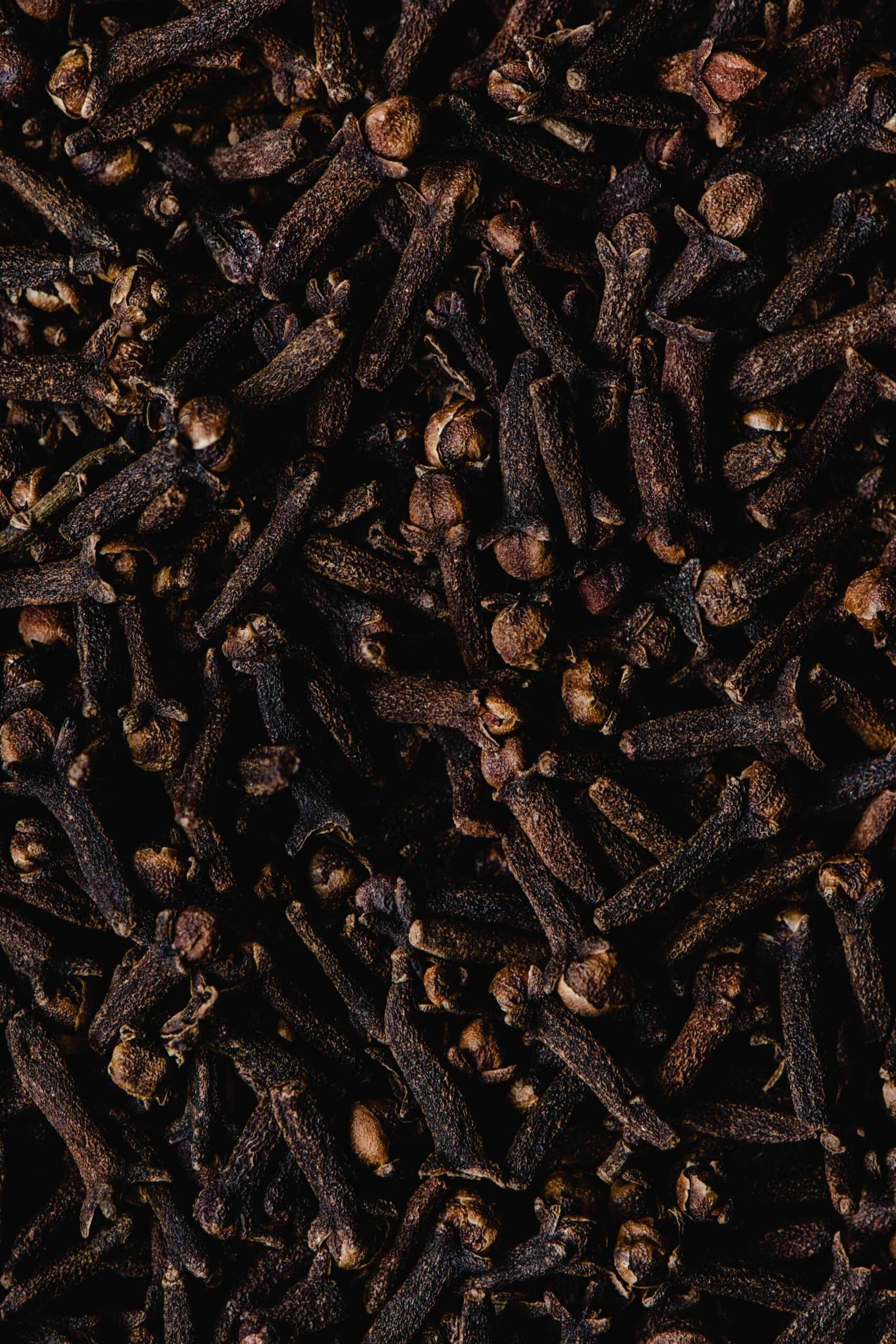
You might have cloves in your spice cabinet, but these small flower buds have been used for much more than cooking. Recently, clove water has become a popular home remedy for those wanting a simple, natural addition to their skincare routine.
Much of what people say about clove water’s benefits for skin comes from eugenol, a main active compound in cloves. Research shows eugenol has antioxidant, antimicrobial, and anti-inflammatory effects. Still, most studies look at clove extracts, essential oil, or eugenol itself—not homemade clove water. (PubMed)
Can soaking cloves in water really help your skin? Here’s what science says, what we still don’t know, and how to use clove water safely.
What Is Clove Water?
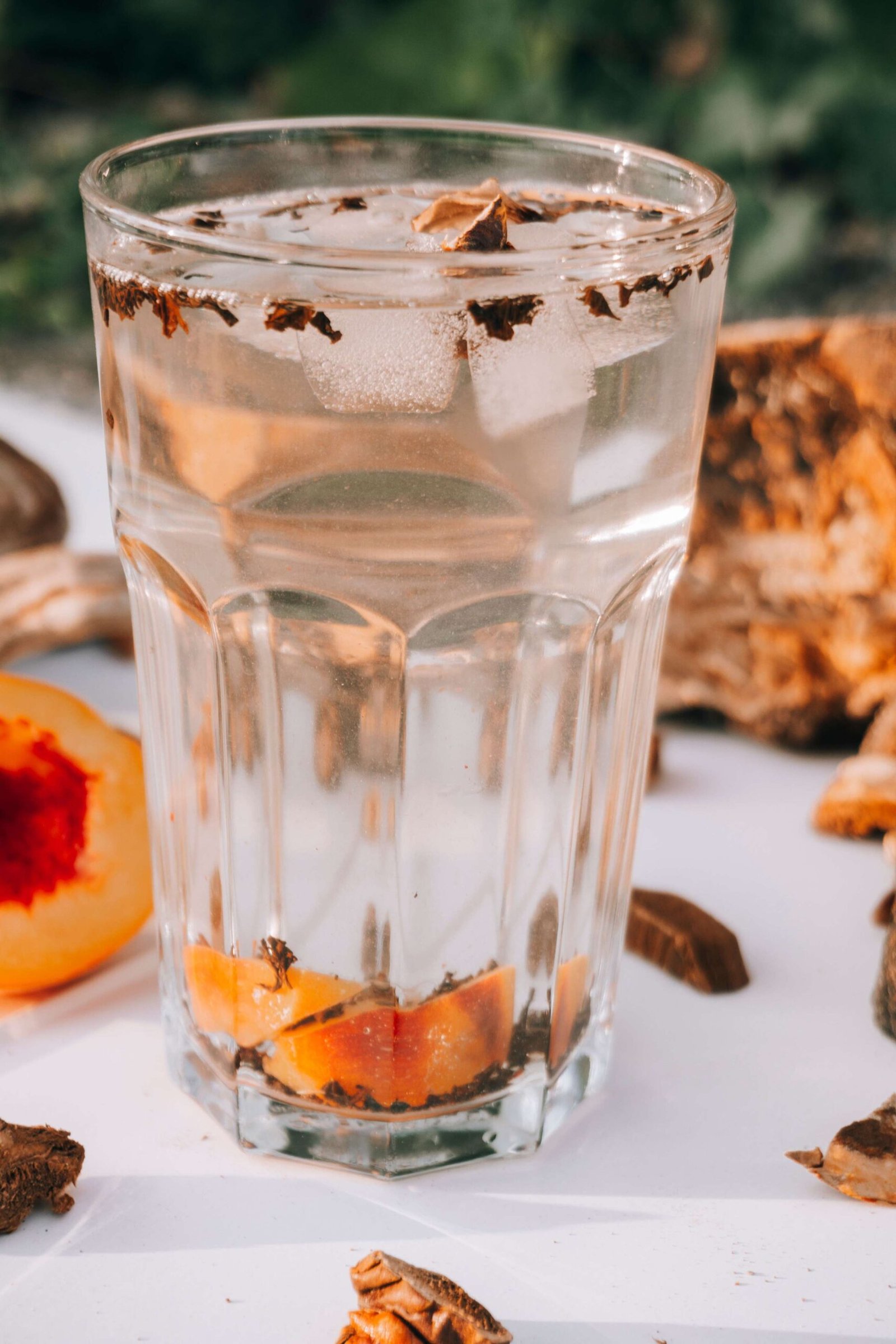
To make clove water, people usually steep or soak whole cloves (Syzygium aromaticum) in water. Once cooled, some use the liquid as a homemade toner or rinse for their skin.
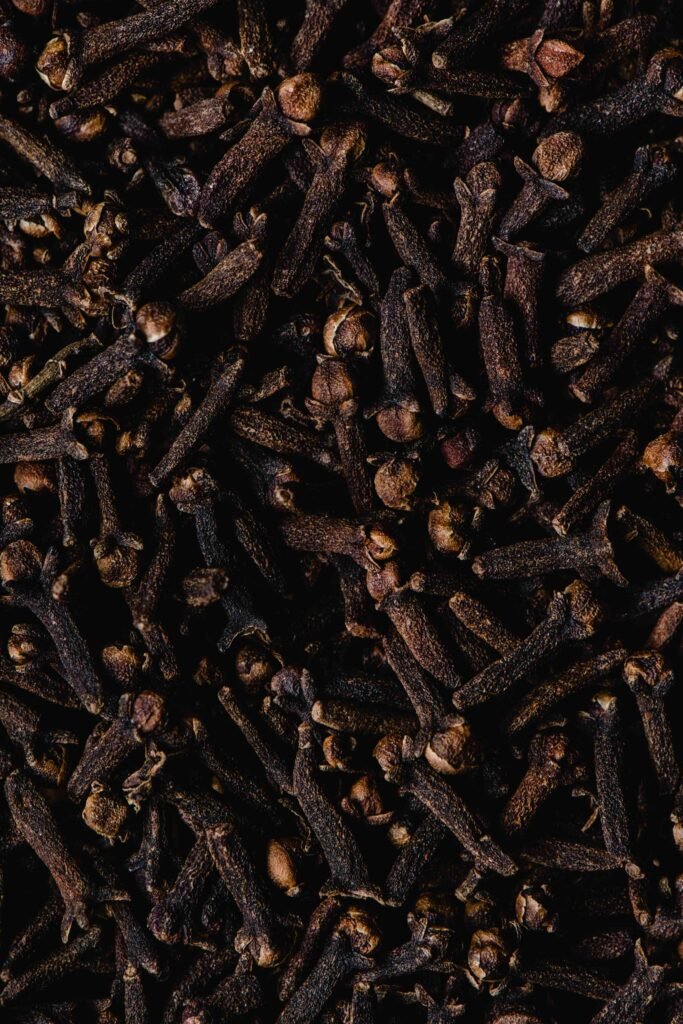
Cloves are particularly rich in phenolic compounds, including eugenol, eugenol acetate, and gallic acid. A scientific review describes cloves as one of the richest natural sources of phenolic compounds and notes their potential antioxidant and antimicrobial activity. (PubMed)
But clove water is very different from concentrated clove essential oil. This difference is important because many studies use stronger, carefully controlled preparations—not homemade clove water.
What Is Eugenol?
Eugenol is the aromatic compound responsible for much of the familiar smell and taste of cloves. It has attracted scientific attention because of its antioxidant, antimicrobial, anti-inflammatory, and other biological activities. (PubMed)
These qualities might explain why cloves have been used in traditional remedies. However, just because eugenol has these effects does not mean homemade clove water will work the same way on your skin.
Potential Clove Water Benefits for Skin
There isn’t much research focused just on homemade clove water. Still, studies on cloves and eugenol give us some hints about what clove water might do for skin.
1. Provides Antioxidant Compounds
One possible benefit of clove water for skin is its antioxidant activity. Antioxidants help protect your cells from damage caused by unstable molecules called free radicals.
Clove is particularly interesting in this area. In one 2024 laboratory study comparing several essential oils, clove essential oil showed the strongest antioxidant activity among the oils tested. The researchers measured 70.84% antioxidant activity using a DPPH assay at a 5% level. (PubMed)
This doesn’t mean homemade clove water will have the same effect on your skin. The study used essential oil in a lab setting. Still, it shows that cloves have compounds with strong antioxidant properties.
2. May Have Antimicrobial Properties
People are also interested in clove water for its possible antimicrobial effects on the skin.
A scientific review found that eugenol showed activity against various Gram-positive and Gram-negative bacteria as well as fungi. Researchers believe several mechanisms may contribute to this antimicrobial effect. (PubMed)
This doesn’t mean clove water can disinfect your skin or treat infections. But it does help explain why clove-based ingredients are popular in cosmetics and personal care products.
3. May Help With Inflammatory Processes
Inflammation can cause redness, irritation, acne, and other skin problems. Eugenol has shown anti-inflammatory effects in research, which is another reason people are interested in clove water for skin. (PubMed)
However, avoid using strong clove preparations on irritated skin. Concentrated eugenol can cause irritation, so using more is not always better.
4. May Support a Fresher-Looking Complexion
You might see online claims that clove water can “whiten” skin or give an instant glow. There isn’t enough research to support these promises.
The real benefits of clove water for skin likely come from its antioxidant and antimicrobial compounds. A gentle skincare routine can help your skin look healthier, but clove water is not a proven way to lighten skin.
5. Clove Preparations May Help With Itching
Some human research has looked at clove oil and itching. One small study included 50 people with chronic pruritus: 25 used topical clove oil and 25 used petrolatum. After two weeks, the researchers reported significant improvement in itch measurements among the clove-oil group. (PubMed)
This result is interesting, but it was about clove oil, not homemade clove water. So, we can’t say clove water will have the same effect.
Does Clove Water Help Acne?
Using clove water for acne is a popular DIY trend. Eugenol’s antimicrobial and anti-inflammatory effects might explain the interest. However, there’s no solid evidence that homemade clove water works as an acne treatment.
The American Academy of Dermatology’s acne guidelines instead recommend established ingredients such as benzoyl peroxide, topical retinoids, salicylic acid, and azelaic acid. (American Academy of Dermatology)
So, while clove water might help with acne in theory, you shouldn’t use it instead of proven acne treatments.
Can Clove Water Remove Dark Spots?
Right now, there isn’t enough clinical evidence to show that homemade clove water can remove hyperpigmentation, acne marks, or dark spots.
If acne leaves dark marks, better-supported ingredients are available. For example, the American Academy of Dermatology notes that retinoids and azelaic acid can help with dark spots that remain after acne clears. (American Academy of Dermatology)
So, be cautious about claims that clove water can permanently remove dark spots.
How to Make Clove Water for Skin
If you want to try clove water, keep it simple. Rinse a small amount of whole cloves, steep them in freshly boiled water, and let the mixture cool before straining out the cloves.
Store the clove water in a clean, covered container and make small batches instead of keeping large amounts for a long time. Homemade water-based skincare doesn’t have the preservatives found in commercial products.
There’s no clinically proven recipe or concentration for clove water. Don’t make it too strong, thinking it will work better or faster.
How to Use Clove Water on Your Face Safely
Before using clove water on your face, test a small amount on a small area of skin first. Watch for any redness, burning, itching, or swelling.
If your skin handles it well, gently apply a small amount of the cooled clove water instead of soaking your whole face. Avoid your eyes, lips, wounds, and any irritated areas.
Most importantly, don’t think concentrated clove essential oil is the same as mild clove water. Eugenol has helpful properties, but studies also warn about toxicity and irritation at higher concentrations. (PubMed)
Clove Water Side Effects and Precautions
Even if clove water has benefits, it’s not right for everyone. Clove compounds can cause burning, redness, irritation, or allergic reactions in some people.
If you have very sensitive skin, eczema, a rash, or know you’re sensitive to cloves or eugenol, be extra careful. Stop using clove water if your skin feels uncomfortable.
If you have ongoing acne, severe itching, unexplained rashes, infections, or changing skin spots, see a dermatologist instead of relying on home remedies.
Is Clove Water Worth Adding to Your Skincare Routine?
Clove water might be a nice option for those who like simple, plant-based skincare. Cloves have eugenol and other compounds with proven antioxidant, antimicrobial, and anti-inflammatory effects. (PubMed)
However, there isn’t strong evidence that clove water itself benefits skin. Most research looks at extracts, essential oils, or single compounds—not homemade clove water.
See clove water as something you can try, not as a main treatment. Stick with a gentle cleanser, moisturizer, sunscreen, and proven treatments as the base of your skincare routine.

Frequently Asked Questions About Clove Water Benefits for Skin
Can I Use Clove Water on My Face Every Day?
There’s no solid evidence that using clove water every day is needed or helpful. If you want to try it, start slowly. Stop right away if your skin gets dry, red, itchy, or irritated.
Does Clove Water Remove Pimples?
There isn’t enough clinical evidence that clove water treats acne. While eugenol has antimicrobial effects, proven acne treatments have much stronger support. (American Academy of Dermatology)
Does Clove Water Lighten Skin?
Research hasn’t shown that clove water lightens skin. Be careful with online claims about dramatic whitening or permanent changes in skin tone.
How Long Does Clove Water Take to Work on Skin?
There’s no scientific timeline for clove water results. Clinical studies haven’t tested homemade clove water enough, so claims like “results in seven days” aren’t backed by good evidence.
Final Thoughts on Clove Water Benefits for Skin
Cloves have strong plant compounds, especially eugenol, that have been studied for antioxidant, antimicrobial, and anti-inflammatory effects. This makes benefits of clove water interesting for people who like simple skincare routines.
But research hasn’t proven that homemade clove water can clear acne, remove scars, fade dark spots, or lighten skin. Use it carefully, patch-test first, and keep your expectations realistic.
Natural skincare can be part of a healthy routine, but “natural” doesn’t always mean it won’t cause irritation. If a skin problem doesn’t go away, it’s best to get professional advice and use proven skincare treatments.
Helpful YouTube Resource
Here’s a helpful video:
References
- Taleuzzaman M, et al. Eugenol as a Potential Drug Candidate: A Review. PubMed. Read the study on PubMed.
- Cortés-Rojas DF, et al. Clove (Syzygium aromaticum): a precious spice. PubMed. Read the review on PubMed
- Marchese A, et al. Antimicrobial activity of eugenol and essential oils containing eugenol. PubMed. Read the review on PubMed
- Khalil AA, et al. Pharmacological and Toxicological Properties of Eugenol. PubMed. Read the review on PubMed
- Kumar KS, et al. Biochemical, Antioxidant, and Antimicrobial Profiling of Essential Oils of Indian Origin. PubMed. Read the 2024 study on PubMed
- American Academy of Dermatology. Acne: Diagnosis and Treatment. Read AAD acne guidance
- American Academy of Dermatology. Acne Clinical Guideline. Read the AAD clinical guideline
- Elsaie LT, et al. Effectiveness of topical clove oil on symptomatic treatment of chronic pruritus. PubMed. Read the study on PubMed

Hi, I’m Kristi Jenkins, a passionate blogger and content writer with a love for storytelling. With years of experience in writing engaging and insightful articles, I focus on topics like mental health, lifestyle, and personal growth. My goal is to create content that inspires, educates, and connects with readers on a deeper level.