Now Reading: Calendula Benefits for Hair: 8 Ways It Supports a Healthy Scalp and Stronger Hair
-
01
Calendula Benefits for Hair: 8 Ways It Supports a Healthy Scalp and Stronger Hair
Calendula Benefits for Hair: 8 Ways It Supports a Healthy Scalp and Stronger Hair
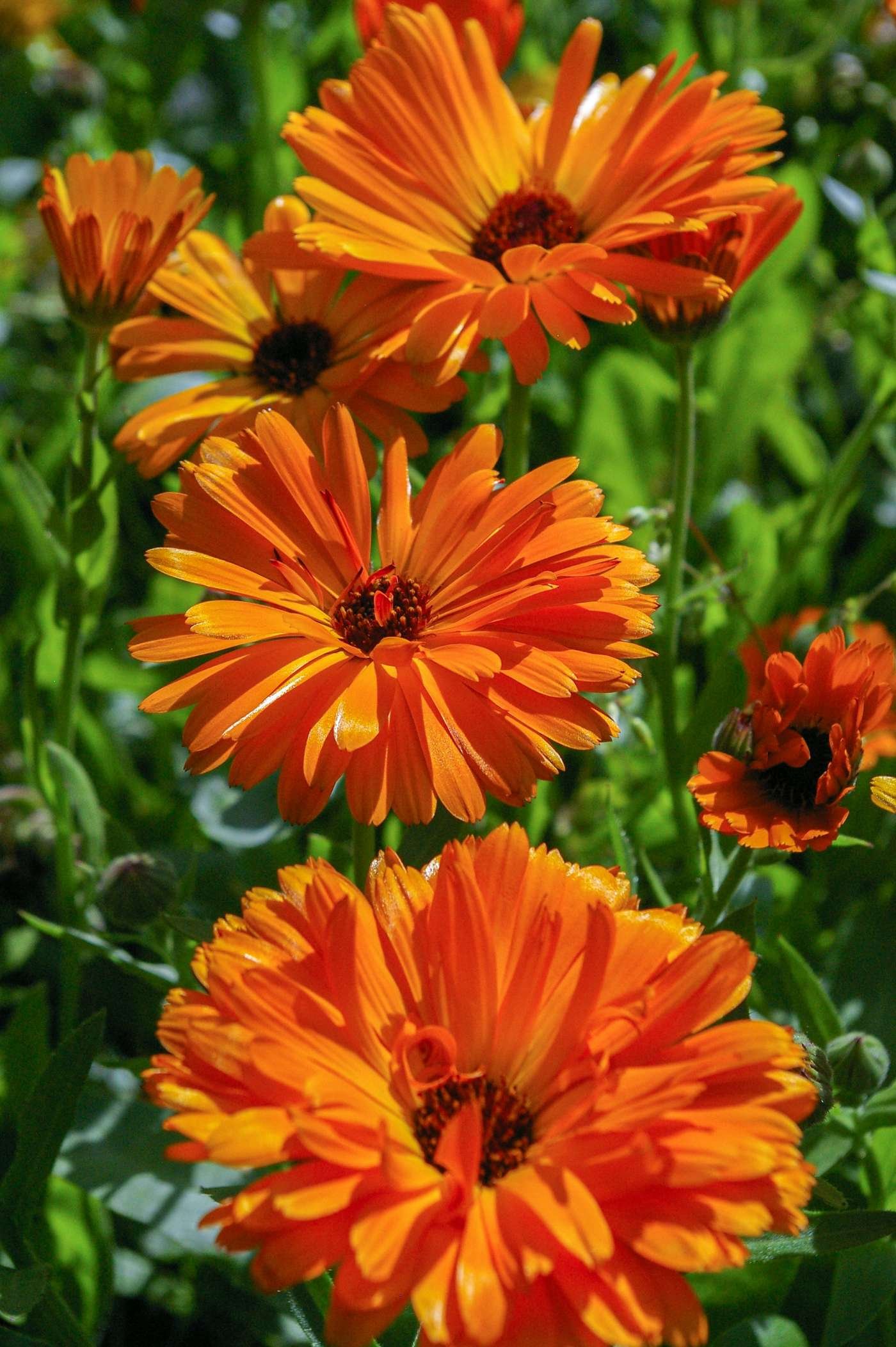
If you’re looking for a natural ingredient to improve your hair care routine, you’ve probably come across calendula benefits for hair. Calendula, also known as Calendula officinalis or pot marigold, has been used in traditional herbal remedies for centuries. Today, it is a popular ingredient in shampoos, conditioners, hair oils, and scalp treatments because of its soothing and moisturizing properties.
Many of the reported calendula benefits for hair come from its ability to nourish the scalp rather than directly stimulate hair growth. A healthy scalp creates the ideal environment for stronger, shinier, and healthier hair. In this article, you’ll discover the science behind calendula benefits for hair, how to use calendula safely, and what current research says about its effectiveness.
What Is Calendula?
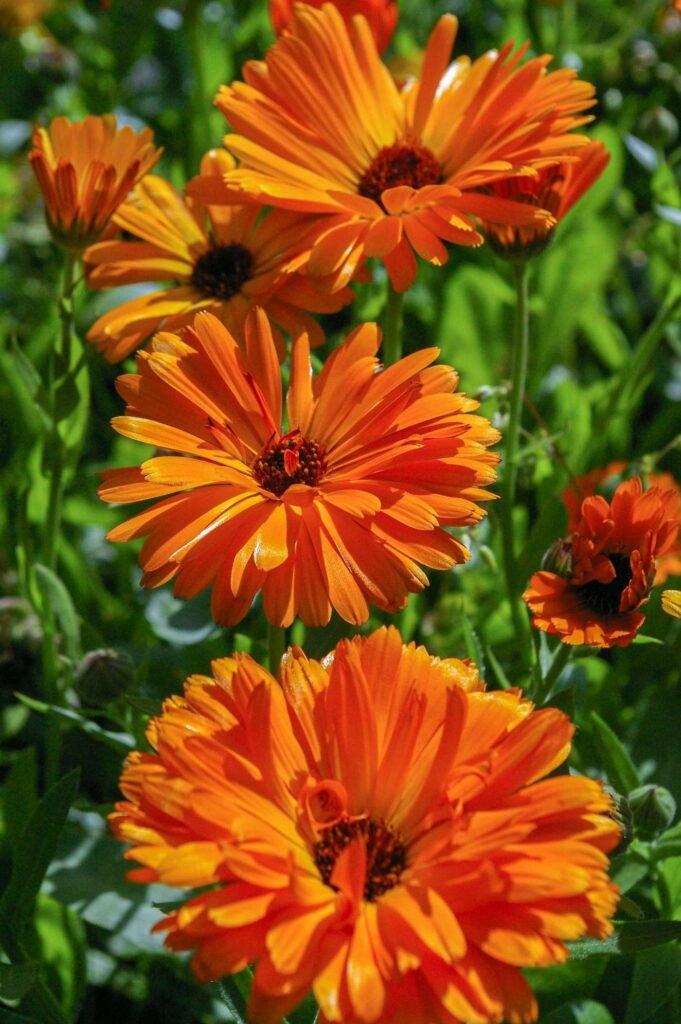
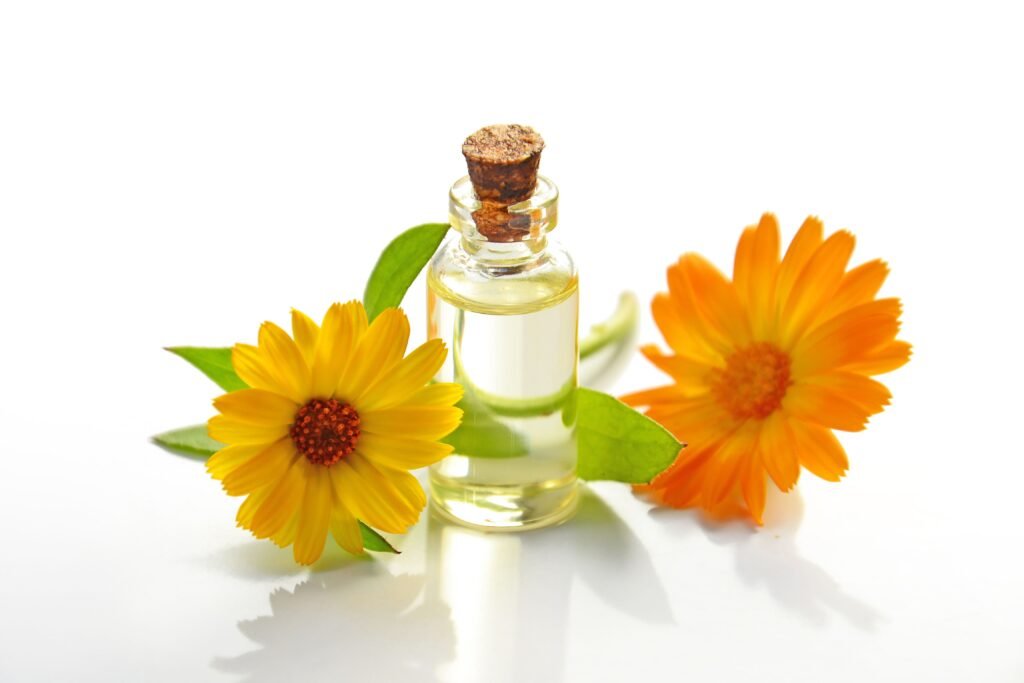
Calendula is a flowering plant native to the Mediterranean region but now grown worldwide. Its bright orange and yellow flowers contain natural compounds such as flavonoids, carotenoids, triterpenoids, and essential oils. These plant compounds have attracted scientific interest because of their antioxidant and anti-inflammatory properties.
Calendula is commonly available as infused oil, herbal extracts, creams, shampoos, and conditioners. When discussing calendula benefits for hair, most products use calendula-infused oil or calendula flower extract rather than pure essential oil.
According to the National Center for Complementary and Integrative Health (NCCIH), many botanical products are used traditionally for skin care, but more high-quality human research is needed to confirm all of their benefits. Learn more at https://www.nccih.nih.gov/.
Calendula Benefits for Hair
1. Helps Soothe an Irritated Scalp
One of the most recognized calendula benefits for hair is its ability to calm an irritated scalp. Dryness, itching, and mild irritation can make your scalp uncomfortable and may affect the overall condition of your hair.
Calendula contains plant compounds that may help reduce inflammation and soothe sensitive skin. While calendula-infused hair products are not a treatment for medical scalp conditions, they may help people with mild scalp dryness or irritation feel more comfortable.
2. May Help Reduce Dandruff
Another important calendula benefit for hair is its moisturizing effect on the scalp. A dry scalp can contribute to flaking, and keeping the scalp hydrated may improve overall scalp health.
It is important to remember that dandruff can have several causes, including excess oil production, fungal overgrowth, and skin conditions such as seborrheic dermatitis. Calendula should not replace medical treatment when dandruff is severe or persistent, but it may complement a gentle scalp-care routine.
3. Keeps Hair and Scalp Hydrated
Healthy hair starts with proper hydration. One practical calendula benefit for hair is helping to maintain moisture in both the scalp and hair strands.
Calendula-infused oils create a lightweight protective layer that helps reduce moisture loss. Hydrated hair feels softer, looks shinier, and is generally easier to manage.
If your hair feels dry from frequent heat styling or harsh weather, adding calendula-based products to your routine may improve its overall texture.
4. May Protect Hair from Oxidative Stress
Environmental factors such as pollution, UV exposure, and heat styling can increase oxidative stress, which may weaken hair over time.
Among the valuable calendula benefits for hair is its antioxidant content. Calendula contains flavonoids and carotenoids that help protect cells from free radical damage.
According to the National Institutes of Health (NIH), antioxidants play an important role in protecting the body from oxidative stress. Although direct research on calendula and hair remains limited, these antioxidant properties may help support healthier-looking hair. Learn more at https://www.nih.gov/.
5. May Support Healthy Hair Growth
Many people search for calendula benefits for hair because they hope it will promote faster hair growth.
Current scientific evidence does not show that calendula directly stimulates hair follicles. However, a healthy scalp is essential for healthy hair growth. By helping soothe irritation and maintain hydration, calendula may create a better environment for normal hair growth.
If your primary goal is treating significant hair loss, consult a dermatologist for an evidence-based evaluation and treatment plan.
6. Helps Strengthen Hair Strands
Weak, brittle hair is more likely to break during brushing and styling. One everyday calendula benefit for hair is supporting stronger, healthier-looking strands by improving moisture retention.
When hair retains moisture, it becomes more flexible and less prone to breakage. Although calendula won’t permanently repair damaged hair, it may improve manageability and reduce the appearance of dryness.
7. May Improve Shine and Smoothness
If frizz is one of your biggest hair concerns, you’ll appreciate another of the popular calendula benefits for hair.
Calendula-infused conditioners and oils help smooth the hair cuticle, making hair appear shinier and feel softer. This can also make detangling easier and reduce friction that contributes to breakage.
Using calendula products consistently may improve your hair’s overall appearance over time.
8. Suitable for Sensitive Scalps
Many commercial hair products contain strong fragrances or harsh cleansing agents that may irritate sensitive skin.
One of the gentlest calendula benefits for hair is that calendula is commonly included in products designed for delicate or sensitive skin. When combined with mild shampoos and conditioners, it may help maintain scalp comfort without causing excessive dryness.
What Does the Research Say?
Scientific research on calendula benefits for hair is still developing. Most available studies focus on calendula’s effects on wound healing, inflammation, and skin health rather than direct hair growth.
A review available through PubMed highlights calendula’s antioxidant and anti-inflammatory properties, which may explain its widespread use in cosmetic products. However, researchers agree that more human clinical trials specifically examining hair health are needed. You can explore current studies at https://pubmed.ncbi.nlm.nih.gov/.
The American Academy of Dermatology (AAD) also emphasizes that healthy scalp care plays an important role in maintaining healthy hair. Learn more at https://www.aad.org/.
How to Use Calendula for Hair
Calendula-Infused Oil
Massage a small amount of calendula-infused oil into your scalp for five to ten minutes before washing your hair. This simple routine may help keep the scalp moisturized.
Hair Mask
Mix calendula-infused oil with coconut oil or jojoba oil and apply it as a weekly hair mask. Leave it on for 20–30 minutes before shampooing.
Shampoo and Conditioner
Choose shampoos or conditioners that contain calendula extract if you want to enjoy calendula benefits for hair as part of your daily routine.
Scalp Massage
A gentle scalp massage improves circulation and helps evenly distribute the oil across the scalp. While massage alone doesn’t guarantee hair growth, it can be a relaxing addition to your hair care routine.
Calendula Oil vs Other Natural Hair Oils
| Oil | Best For | Hair Growth Evidence |
| Calendula | Sensitive scalp, hydration | Limited |
| Coconut | Moisture and damage protection | Moderate |
| Argan | Shine and softness | Limited |
| Rosemary | Hair growth support | Stronger evidence |
| Jojoba | Dry scalp and moisture | Limited |
While rosemary oil has stronger evidence for promoting hair growth, calendula benefits for hair make it an excellent choice for soothing dry, irritated, or sensitive scalps.
Are There Any Side Effects?
Calendula is generally considered safe for topical use by most people.
However, if you’re allergic to plants in the Asteraceae family, such as ragweed, daisies, or chrysanthemums, you may also react to calendula. Perform a patch test before using a new product and discontinue use if irritation develops.
Avoid applying calendula products to open wounds unless advised by a healthcare professional.
Tips to Get the Best Results
To maximize calendula benefits for hair, use calendula products consistently rather than expecting overnight results.
Pair them with a gentle shampoo, minimize excessive heat styling, eat a balanced diet rich in protein and vitamins, and protect your hair from prolonged sun exposure. Healthy hair depends on both proper hair care and overall nutrition.
Frequently Asked Questions
Is calendula good for hair growth?
Calendula may support a healthy scalp, which is important for normal hair growth. However, current evidence does not confirm that it directly stimulates new hair growth.
Can calendula help with dandruff?
Calendula may help soothe a dry, irritated scalp and improve moisture levels, thereby supporting scalp health. Severe dandruff should be evaluated by a healthcare professional.
How often should I use calendula oil?
Using calendula-infused oil one to three times per week is sufficient for most people, depending on their hair type and scalp condition.
Can I leave calendula oil on overnight?
Yes. Many people leave calendula-infused oil on overnight, then wash it out the next morning. If you have sensitive skin, start with shorter treatments to ensure your scalp tolerates it well.
Is calendula safe for color-treated hair?
In most cases, calendula-infused products are considered gentle enough for color-treated hair. Always check the product label for additional ingredients that may affect hair color.
Final Thoughts
The growing interest in calendula benefits for hair reflects its reputation as a gentle botanical ingredient that supports scalp comfort, hydration, and healthier-looking hair. While scientific evidence for direct hair growth remains limited, calendula’s antioxidant and soothing properties make it a valuable addition to many hair care routines.
For the best results, combine calendula benefits for hair with consistent scalp care, a balanced diet, proper hydration, and healthy styling habits. Over time, these simple steps can help you maintain stronger, softer, and more manageable hair.
Recommended YouTube Resource
Here’s a helpful video:
References
- National Center for Complementary and Integrative Health (NCCIH): https://www.nccih.nih.gov/
- National Institutes of Health (NIH): https://www.nih.gov/
- PubMed – Calendula Research: https://pubmed.ncbi.nlm.nih.gov/?term=Calendula+officinalis.
- American Academy of Dermatology (AAD): https://www.aad.org/
- Mayo Clinic – Healthy Hair Care Tips: https://www.mayoclinic.org/

Hi, I’m Kristi Jenkins, a passionate blogger and content writer with a love for storytelling. With years of experience in writing engaging and insightful articles, I focus on topics like mental health, lifestyle, and personal growth. My goal is to create content that inspires, educates, and connects with readers on a deeper level.