Now Reading: Licorice Root for Skin: Benefits, Uses, Side Effects, and How to Use It Safely
-
01
Licorice Root for Skin: Benefits, Uses, Side Effects, and How to Use It Safely

If you’re looking for natural ways to improve your complexion, licorice root is a great option to consider. This plant extract is now found in many serums, creams, and moisturizers because it can help brighten skin, calm irritation, and protect against environmental stress. Topical licorice root is made just for skin care, unlike the supplements you take by mouth.
Dermatologists and skincare experts like licorice root because it has plant compounds that may help fade dark spots, calm redness, and even out skin tone. This guide explains how licorice root works, its proven benefits, how to use it, and what to watch out for.

What Is Licorice Root?
Before looking at the benefits of licorice root for skin, it helps to know what this plant is.
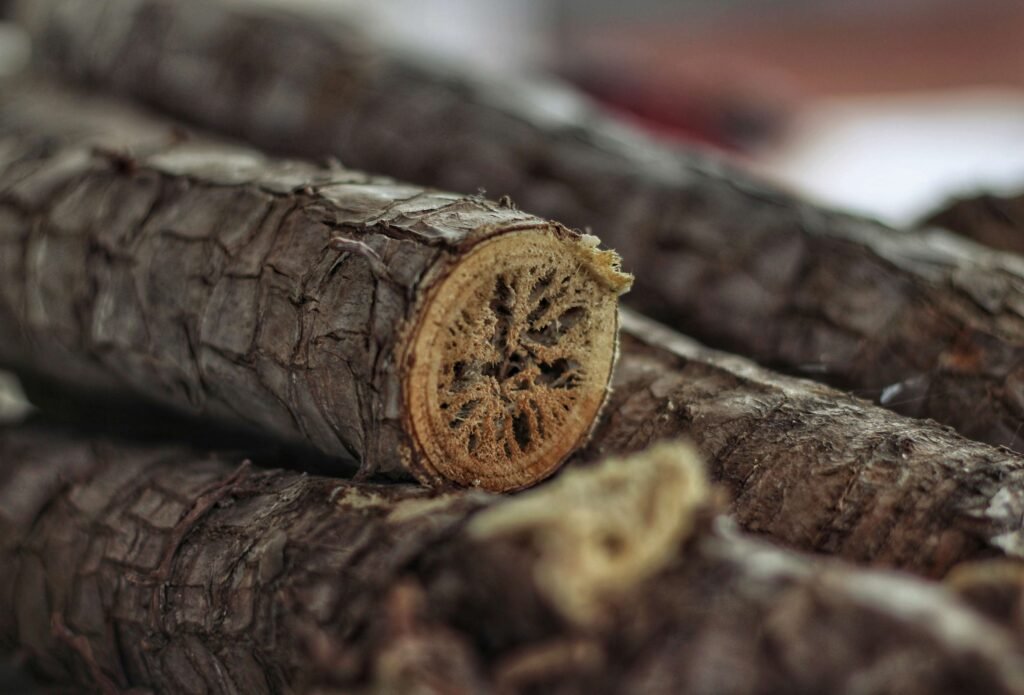
Licorice root comes from the Glycyrrhiza glabra plant, which has been used in traditional medicine for hundreds of years. While it’s often used in herbal remedies and to flavor candy, skincare products use purified licorice root extract for its skin-friendly compounds.
Some of its most important active ingredients include:
- Glabridin
- Liquiritin
- Glycyrrhizin
- Flavonoids
- Antioxidants
These ingredients give licorice root many of its skin benefits, especially when used on the skin.
Remember, skincare products with licorice root are different from licorice supplements you take by mouth. These benefits apply to creams, serums, and lotions made for your skin.
Top Licorice Root for Skin Benefits
1. Helps Brighten Skin Naturally
Many people choose licorice root for its natural ability to brighten the skin.
Glabridin, one of licorice root’s active compounds, may help reduce excess melanin production. Melanin is the pigment responsible for skin color, and overproduction can contribute to uneven skin tone.
Using licorice root products regularly can help your skin look brighter and more even.
2. May Help Fade Dark Spots
Dark spots from acne, sun exposure, or skin irritation usually take a while to fade.
Another well-known benefit of licorice root for skin is its ability to help reduce the appearance of these marks. Liquiritin, another active compound, helps disperse excess pigment already present in the skin, making discoloration appear less noticeable over time.
You’ll usually see results after using these products for several weeks.
3. Rich in Antioxidants
Sunlight, pollution, and cigarette smoke can create free radicals that speed up skin aging.
Licorice root is rich in antioxidants, which help protect your skin from damage and keep it looking healthy.
Research published through PubMed highlights the antioxidant properties of licorice-derived compounds. Learn more at https://pubmed.ncbi.nlm.nih.gov/.
4. Helps Calm Sensitive or Irritated Skin
If your skin gets red or irritated easily, licorice root may help soothe it.
Licorice root has natural anti-inflammatory compounds that can calm redness and discomfort. That’s why it’s often found in products for sensitive skin.
But don’t use licorice root as a substitute for medical treatment of conditions like eczema or psoriasis unless your dermatologist says it’s okay.
5. May Help Balance Oily Skin
Too much oil on your skin can clog pores and cause breakouts.
Some skincare products with licorice root are made for oily or combination skin. They help balance your skin without drying it out.
This makes licorice root a helpful ingredient in routines for acne-prone skin.
6. Supports Skin Hydration
Your skin needs a strong moisture barrier to stay healthy.
Licorice root also works well with moisturizers that have hyaluronic acid or ceramides. These ingredients together help your skin hold onto moisture and prevent dryness.
When your skin is well hydrated, it looks smoother, softer, and healthier.
7. May Help Reduce the Appearance of Fine Lines
As we age, our skin loses collagen and elastin, which leads to fine lines.
The antioxidants in licorice root may help protect your skin’s collagen from damage. While it won’t erase wrinkles, using it regularly can help your skin look smoother.
According to the American Academy of Dermatology (AAD), protecting your skin from ultraviolet (UV) damage is one of the most effective ways to slow visible skin aging. Learn more at https://www.aad.org/.
8. Works Well With Other Skincare Ingredients
Licorice root is also very versatile in skincare.
It works well with other ingredients that dermatologists often recommend, such as:
- Vitamin C
- Niacinamide
- Hyaluronic acid
- Ceramides
- Retinol (introduced gradually)
Combining these ingredients can help your skin look brighter and healthier, and tackle several skin concerns at the same time.
How to Use Licorice Root for Skin
Use a Serum
Serums give your skin a boost of concentrated ingredients.
Use a licorice root serum after you wash your face and before you moisturize, once or twice a day as the label suggests.
Choose a Moisturizer
Moisturizers with licorice root are great if you want both hydration and brighter skin.
Apply them in the morning and at night for best results.
Apply Spot Treatments
If you’re mainly worried about dark spots, pick products made for spot treatment.
Use them only on the spots you want to treat, following the directions on the package.
Always Wear Sunscreen
Brightening ingredients are most effective when you also use sunscreen every day.
The American Academy of Dermatology recommends applying a broad-spectrum sunscreen with SPF 30 or higher every day to reduce UV damage and prevent new dark spots.
How to Choose High-Quality Licorice Root Skincare Products
For the best results, choose products that list Glycyrrhiza glabra root extract in the ingredients.
If you have sensitive skin, go for fragrance-free options and look for products tested by dermatologists when you can.
Packaging that is opaque or air-tight helps keep the antioxidants in your products effective.
Possible Side Effects and Precautions
Most people tolerate licorice root well, but some may get mild irritation or an allergic reaction.
Before trying a new product, test a small amount on the inside of your arm and wait 24 hours.
If you notice redness, itching, burning, or swelling, stop using the product.
If you use prescription skincare, check with your dermatologist before adding licorice root to your routine to avoid irritation.
Frequently Asked Questions
What are the biggest benefits of licorice root for skin?
The main benefits are brighter skin, fewer dark spots, antioxidant protection, soothing redness, better hydration, and support for healthy aging.
Can licorice root fade dark spots?
Yes. Ingredients like glabridin and liquiritin may help fade dark spots and sun spots if you use them regularly.
Is licorice root good for acne-prone skin?
It can help calm inflammation and balance your skin as part of an acne routine, but it’s not a substitute for acne medicine.
How long does licorice root take to work?
Most people see results in 4 to 8 weeks of regular use, but it depends on your skin and the product.
Can I use licorice root every day?
Yes. Most licorice root skincare products are safe for daily use if you follow the directions.
Final Thoughts
Licorice root is a natural way to help your skin look brighter and healthier. Its antioxidant, soothing, hydrating, and brightening effects make it a good choice for many skin types, especially if you’re worried about uneven tone or dark spots.
Licorice root has many benefits, but you need to use it regularly to see results. For best results, combine it with a gentle routine, moisturizer, and daily sunscreen. If you have sensitive skin or any skin conditions, talk to a dermatologist before trying new ingredients.
Recommended YouTube Resource
Here’s a video by Dr. Anne:
References
- American Academy of Dermatology (AAD): https://www.aad.org/
- National Center for Complementary and Integrative Health (NCCIH): https://www.nccih.nih.gov/
- PubMed – Licorice Root and Skin Research: https://pubmed.ncbi.nlm.nih.gov/?term=licorice+root+skin
- National Institutes of Health (NIH): https://www.nih.gov/
- Cleveland Clinic – Skin Care Information: https://health.clevelandclinic.org/

Hi, I’m Kristi Jenkins, a passionate blogger and content writer with a love for storytelling. With years of experience in writing engaging and insightful articles, I focus on topics like mental health, lifestyle, and personal growth. My goal is to create content that inspires, educates, and connects with readers on a deeper level.