Now Reading: Heart Health Tea: 5 Options, Benefits, and Safety Tips
-
01
Heart Health Tea: 5 Options, Benefits, and Safety Tips
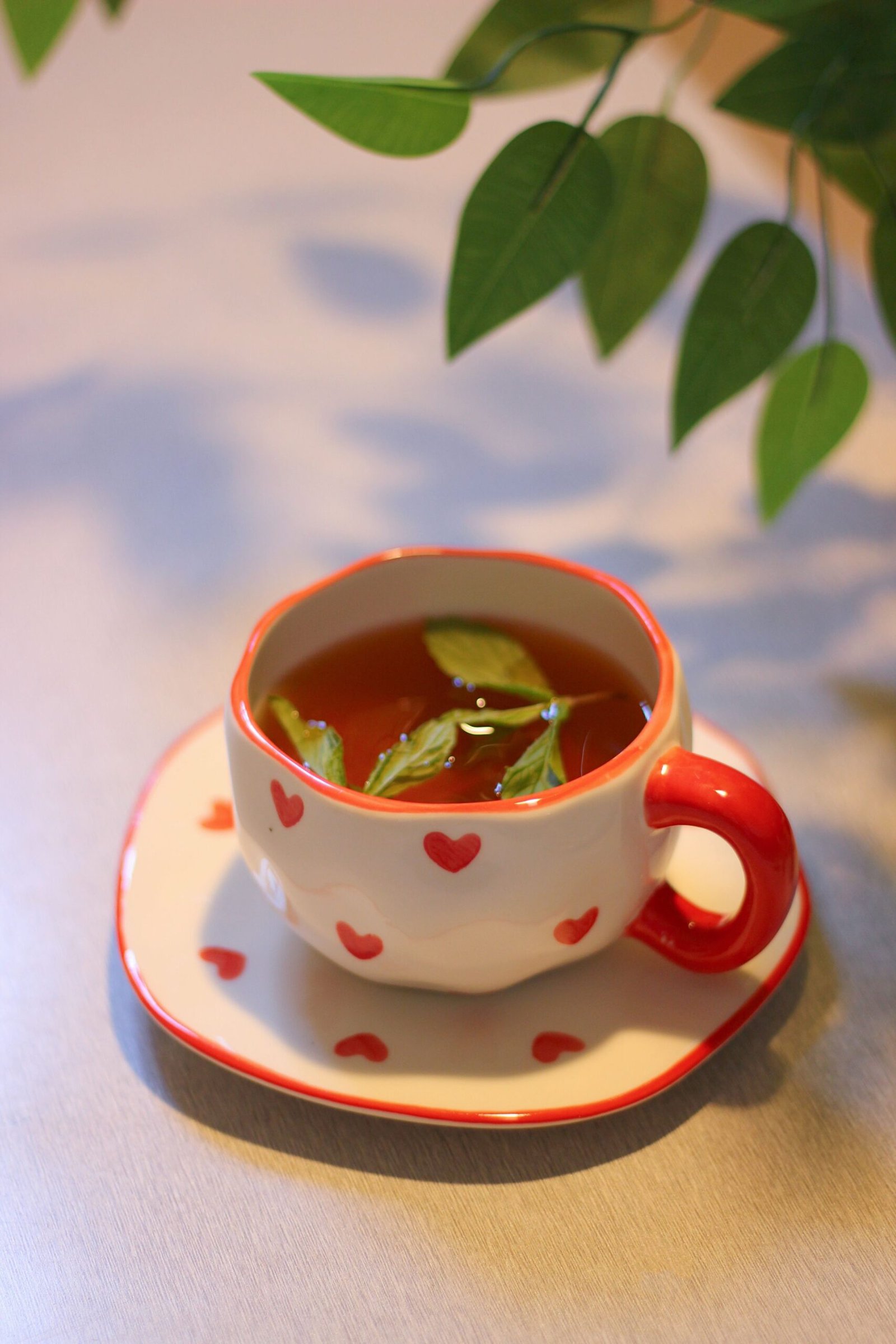
A cup of tea can brighten up a dull afternoon, and heart health teas are no different. But don’t just trust the label. Some teas are supported by solid research, while others make claims that aren’t backed up. Here are five popular heart health teas and some tips on using them safely. NCCIH
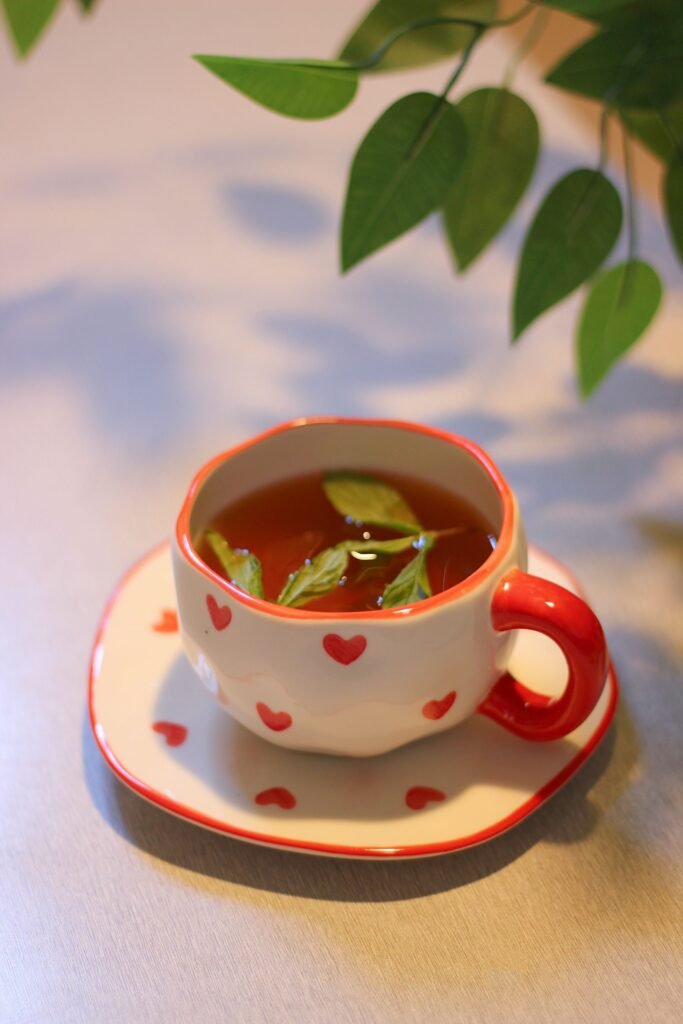
What can Heart Health Tea actually do?
Researchers usually measure things like blood pressure or cholesterol, not heart attacks or survival rates. Just because a tea improves one of these numbers doesn’t mean it will prevent heart disease. Keep this in mind when you see impressive headlines on jamanetwork.com.
How you prepare tea matters too. Brewed tea and concentrated extracts are not the same, so results from capsules don’t always apply to your cup of tea. Tea can be part of your routine, but it should never replace your prescribed treatment. NCCIH
5 Heart Health Tea Options to Consider
1. Green Tea: Small Cholesterol Benefits
Green tea often appears in heart health tea guides because researchers have studied its effects on cholesterol. According to the NCCIH, studies show small reductions in both total and LDL (‘bad’) cholesterol.
Most studies focused on green tea extracts, not regular brewed tea. Enjoy a cup if you like, but don’t expect it to work like cholesterol medication. Concentrated green tea supplements can also have risks, including rare cases of liver injury. NCCIH
2. Black Tea: Modest Blood-Pressure Changes
Black tea is another option with some trial evidence for heart health. In a 2012 study, 95 people drank either a standard black tea or a caffeine-matched placebo. After six months, those who drank tea had an average 24-hour systolic blood pressure about 2 mmHg lower than the placebo group. jamanetwork.com
Participants drank three cups a day made from powdered tea solids. This modest result does not mean that every tea bag will have the same effect. jamanetwork.com
3. Hibiscus Tea: Promising but Limited Evidence
Hibiscus is worth considering for heart health because one trial actually studied the tea itself. In 2010, 65 adults with mildly high blood pressure (not on medication) drank three 240ml servings daily for six weeks. Europe PMC
Systolic blood pressure dropped by 7.2 mmHg in the hibiscus group compared to 1.3 mmHg in the placebo group. However, this was a small, short-term study and does not prove it prevents heart attacks. The serving schedule was for research, not for general use. Europe PMC
4. Rooibos Tea: A Caffeine-Free Alternative
Plain rooibos contains no caffeine, which may appeal to people avoiding stimulants. However, a review of human studies found there is not enough evidence to support the claimed health benefits, as the studies were limited and inconsistent. University of Canberra Research Portal
Rooibos is fine to drink if you like it, but it is not a proven treatment for heart disease. Check the ingredients in mixed blends, as not every product with rooibos is just plain rooibos.
5. Chamomile Tea: Comfort Without Heart Claims
Chamomile is a good choice if you simply enjoy a relaxing cup of tea. However, the NCCIH says there is not enough reliable evidence to support its use for most conditions it is marketed for. Adding it to your heart health tea routine will not lower your blood pressure. Drink it for enjoyment, not for medical benefits. Always check the warnings below, especially if you take blood thinners. NCCIH
What about white tea, olive leaf and herbal blends?
Some heart health tea blends include white tea, cinnamon, turmeric, or hawthorn. Just seeing these ingredients does not mean the product is good for your heart. Check if the research was actually done on that specific blend, not just on separate ingredients.
For example, the olive leaf blood pressure trial used a concentrated extract, not a regular tea infusion. The NCCIH also reports mixed evidence for hawthorn in heart failure and not enough evidence for other heart conditions. Do not use these blends as substitutes for medical care. Europe PMC
How to Choose and Prepare Heart Health Tea
Keep Added Sugar Low
The CDC lists plain tea as a low-calorie drink option. Choosing unsweetened heart health tea instead of sugary drinks is a smart choice and does not need big claims. Always check bottled teas and flavored mixes for added sugar, as they can vary. CDC
Follow the Brewing Directions
Follow the package instructions for water temperature, amount, and steeping time. Choose a flavor you enjoy, and avoid making your tea extra strong to copy study results. Different studies used different methods, so stronger tea is not always better. jamanetwork.com
Caffeine and Medication Precautions
Before making heart health tea a daily habit, consider how much caffeine you get from all your drinks. The FDA warns that too much caffeine can cause palpitations, high blood pressure, anxiety, and sleep problems. Everyone’s tolerance is different. U.S. Food and Drug Administration
Ask your pharmacist to review the full ingredient list of your tea with your medications. High amounts of green tea can reduce the effectiveness of nadolol, a heart and blood pressure medicine. There are also reports of chamomile interacting with warfarin. nccih.nih.gov
Be careful with licorice root in tea blends. The NCCIH warns that it can cause serious heart rhythm problems, especially for people with high blood pressure or heart or kidney disease. NCCIH

FAQs About Heart Health Tea
Which Tea Is Best?
There is no single heart health tea that works for everyone. Consider the evidence, your preferences, your caffeine tolerance, and your medications instead of choosing the most advertised option. U.S. Food and Drug Administration
How Much Should You Drink?
There is no universal serving size for heart health tea. The studies used different preparations over weeks or months, so do not copy their routines to manage your blood pressure without talking to your doctor first. jamanetwork.com
Can tea replace heart medication?
No. Keep taking your prescribed medication unless your doctor tells you otherwise. Always give your pharmacist a full list of ingredients in any tea you drink, as herbal products can interact with your treatment. NCCIH
Helpful YouTube Video
Here’s a helpful video by Dr. Vivek:
Final Thoughts
The best heart health tea routine is one you enjoy, that is unsweetened, and fits your health needs. Focus on realistic benefits, check for possible interactions with your medications, and keep following your current care plan. Tea can be part of your routine, but it should not replace it.
References
- National Center for Complementary and Integrative Health: Green Tea, Chamomile, Hawthorn, and Licorice Root.
- Hodgson and colleagues, 2012: Effects of Black Tea on Blood Pressure: A Randomized Controlled Trial.
- McKay and colleagues, 2010: Hibiscus Tea and Blood Pressure in Adults With Mildly Elevated Readings.
- Speer and colleagues, 2024:The Effect of Rooibos Tea Consumption on Human Health Outcomes: A Systematic Literature Review.
- Lockyer and colleagues:Impact of Phenolic-Rich Olive Leaf Extract on Blood Pressure, Plasma Lipids, and Inflammatory Markers.
- Centers for Disease Control and Prevention: About Water and Healthier Drinks.
- U.S. Food and Drug Administration: Spilling the Beans: How Much Caffeine Is Too Much?.
- Mayo Clinic Press — YouTube: Is Caffeine Heart-Healthy?.

Hi, I’m Kristi Jenkins, a passionate blogger and content writer with a love for storytelling. With years of experience in writing engaging and insightful articles, I focus on topics like mental health, lifestyle, and personal growth. My goal is to create content that inspires, educates, and connects with readers on a deeper level.