Now Reading: 10 Healthy Breakfast Ideas for Pregnancy Nutrition
-
01
10 Healthy Breakfast Ideas for Pregnancy Nutrition
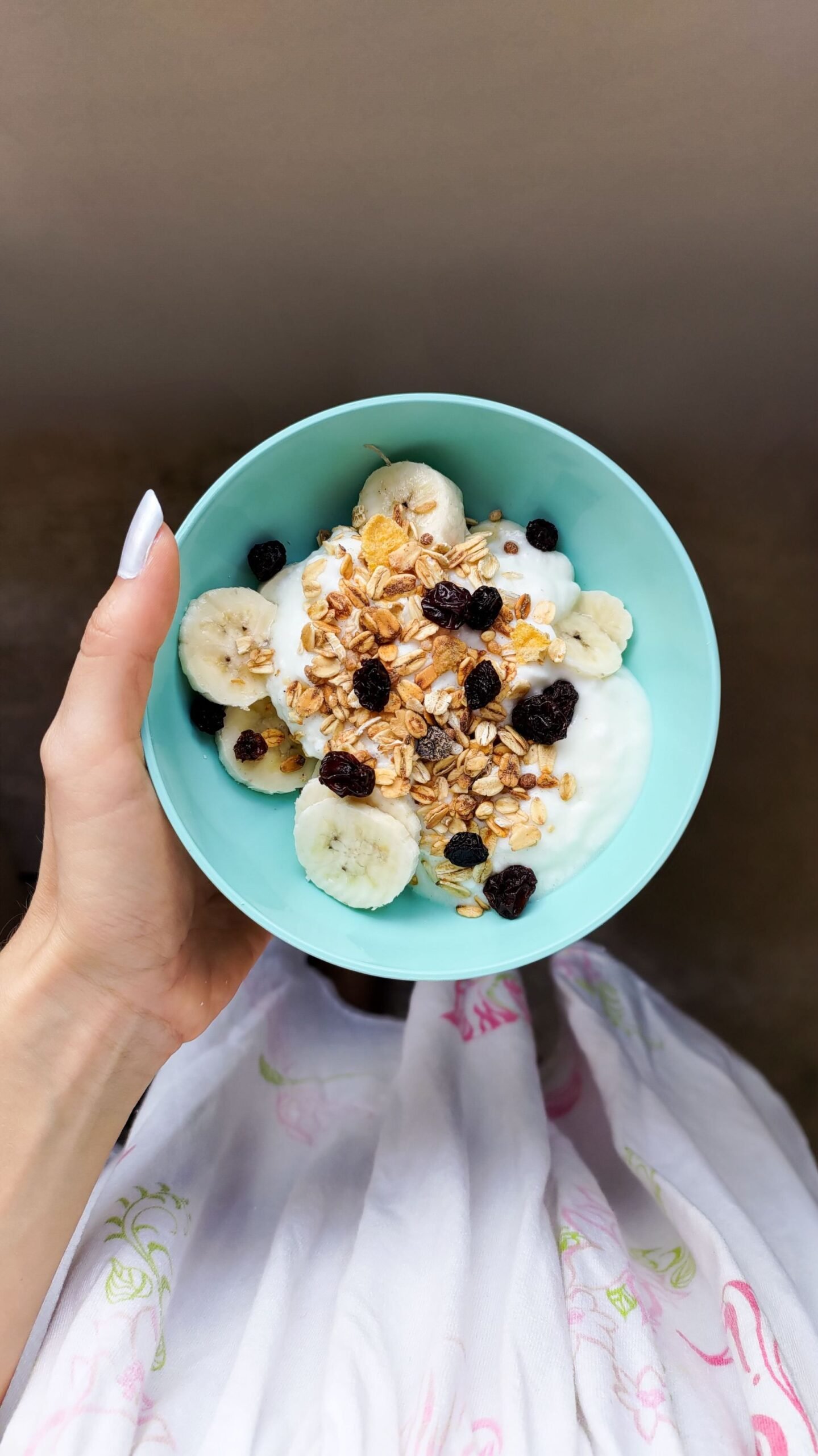
Pregnancy often changes how you feel about breakfast. Some days you might wake up hungry, while on others, even the smell of food can make you feel sick. That’s why it’s important to find simple meals you actually enjoy.
Healthy breakfast ideas for pregnancy don’t need to be complicated. Foods like eggs, oatmeal, Greek yogurt, whole grains, fruit, beans, nuts, and seeds offer important nutrients and keep breakfast simple. Aim for a balanced meal that fits your appetite and nutrition needs.
Why Is a Healthy Breakfast Important During Pregnancy?
Your body needs additional nutrients during pregnancy to support your health and your baby’s growth. Breakfast gives you another opportunity to include protein, iron, folate, choline, calcium, fiber, and other nutrients throughout the day.
Iron is a good example. The NIH Office of Dietary Supplements recommends 27 mg of iron per day during pregnancy, compared with 18 mg for nonpregnant women ages 19–50.
You don’t need to have a perfect breakfast every morning. Healthy breakfast ideas for pregnancy should be flexible, so you can adjust for nausea, food aversions, cultural preferences, and your healthcare provider’s advice.
What Makes a Healthy Pregnancy Breakfast?
A simple way to build a healthy breakfast is to combine a protein, a fiber-rich carbohydrate, some fruit or vegetables, and a healthy fat.
Protein choices include eggs, Greek yogurt, cottage cheese, beans, milk, nuts, seeds, and nut butter. Whole-grain toast, oatmeal, and whole-grain cereals can provide carbohydrates and fiber, while fruits and vegetables add vitamins, minerals, and additional fiber.
Healthy fats are found in foods like avocado, walnuts, chia seeds, and nut butter. You don’t need every food group at every breakfast, but including a few can help make your meal more balanced.
10 Healthy Breakfast Ideas Pregnancy Can Include
These healthy breakfast ideas for pregnancy include both quick, no-cook options and warm meals. Adjust the serving sizes to match your appetite and nutrition needs.
1. Oatmeal With Berries and Greek Yogurt
Prepare oatmeal with pasteurized milk and top it with plain Greek yogurt and berries. Add walnuts, chia seeds, or cinnamon if you like.
Oats give you carbohydrates and fiber, and Greek yogurt adds protein and calcium. Berries bring natural sweetness, vitamin C, and extra fiber, all with little prep needed.
2. Scrambled Eggs With Whole-Grain Toast
Scramble two eggs and serve them with whole-grain toast, avocado, and sliced tomato. Cook the eggs thoroughly during pregnancy.
Eggs are a great choice for healthy pregnancy breakfasts because they provide both protein and choline. The NIH recommends 450 mg of choline each day during pregnancy, and eggs are one of the main sources.
3. Greek Yogurt Breakfast Bowl
Add banana, berries, oats, and a few nuts or seeds to a bowl of plain pasteurized Greek yogurt.
This breakfast needs almost no prep and is perfect for busy mornings. You can get the toppings ready the night before and put everything together in just a few minutes.
4. Pregnancy-Friendly Breakfast Smoothie
Blend pasteurized milk or yogurt with banana, berries, oats, and a spoonful of peanut or almond butter.
Smoothies are helpful if eating a big breakfast is hard. Be sure to wash fresh produce well and use pasteurized dairy and juice. The FDA advises pregnant people to avoid unpasteurized juice because it may have harmful bacteria.
5. Peanut Butter and Banana Toast
Spread peanut butter over whole-grain toast and top it with sliced banana. Sprinkle cinnamon on top for additional flavor.
This is one of the easiest healthy pregnancy breakfasts when you’re short on time. It gives you carbohydrates, some fiber, protein, and fat, and you don’t need to cook anything.
6. Overnight Oats With Chia Seeds
Mix oats, pasteurized milk, plain yogurt, chia seeds, and berries in a covered container. Refrigerate overnight and eat it cold the following morning.
Overnight oats make mornings easier since breakfast is ready when you wake up. Add chopped walnuts, banana, or a spoonful of nut butter if you want a more filling meal.
7. Egg and Avocado Breakfast Sandwich
Place a thoroughly cooked egg on whole-grain bread with avocado and tomato. You can add pasteurized cheese for extra flavor and calcium.
This combination gives you protein, carbohydrates, fiber, and healthy unsaturated fat. The FDA says pregnant people should cook eggs until both the yolk and white are firm, unless you’re using a pasteurized egg product in a recipe made for it.
8. Cottage Cheese and Fruit Bowl
Combine pasteurized cottage cheese with berries, peaches, pears, or chopped apple. Finish with chia seeds, walnuts, or cinnamon.
Cottage cheese is an easy way to get protein and calcium. Always make sure dairy products are pasteurized during pregnancy. The FDA warns that unpasteurized milk and cheeses can carry Listeria, which is especially risky during pregnancy.
9. Iron-Fortified Cereal With Fruit
Choose an iron-fortified cereal and serve it with pasteurized milk and strawberries, kiwi, or another vitamin C-rich fruit.
Iron is especially important when planning healthy pregnancy breakfasts because your needs go up during pregnancy. The NIH estimates that 10% to 16% of pregnant women in the U.S. have iron deficiency, rising to about 25% in the third trimester.
Don’t start taking extra high-dose iron just because your iron needs are higher during pregnancy. Talk to your healthcare provider about prenatal supplements and extra iron.
10. Beans, Egg, and Whole-Grain Toast
For a savory breakfast, serve beans over whole-grain toast with a thoroughly cooked egg and sliced tomato.
Beans add plant protein, fiber, folate, and iron, while eggs give you more protein and choline. This combo is a nice change if you get tired of sweet oatmeal or yogurt bowls.
Best Breakfast Foods for Important Pregnancy Nutrients
Good healthy pregnancy breakfasts should focus on variety, not just one “superfood.” Different foods give you different nutrients.
Folate is especially important during pregnancy. The NIH recommends 600 mcg dietary folate equivalents (DFE) daily during pregnancy, compared with 400 mcg DFE for nonpregnant adults. Foods containing folate include leafy green vegetables, beans, peas, fruits, eggs, and fortified grains.
Food is only part of the folic acid story. The NIH notes that people capable of becoming pregnant should obtain 400 mcg of folic acid daily from supplements, fortified foods, or both, in addition to food folate. Follow your doctor or midwife’s recommendations regarding prenatal vitamins.
Iron-rich foods include fortified cereals, beans, meat, and more. Pasteurized dairy gives you calcium, and eggs are especially good for adding choline to your breakfast.
Healthy Breakfast Ideas for Pregnancy Morning Sickness
Morning sickness can make even healthy breakfasts seem unappealing. Instead of forcing yourself to eat a big meal, try smaller portions of foods you can handle.
Simple healthy pregnancy breakfasts during nausea can be whole-grain toast, a banana, oatmeal, yogurt, crackers with nut butter, or a small smoothie. Many people find it easier to eat small amounts more often instead of one big meal.
If you repeatedly vomit, cannot keep fluids down, or are concerned about dehydration or weight loss, contact your doctor or midwife. Severe pregnancy nausea and vomiting may need medical treatment.
Pregnancy Breakfast Foods to Avoid or Limit
Pregnancy makes food safety especially important. The FDA recommends avoiding raw or unpasteurized milk and foods made from it. It also recommends thoroughly cooking eggs and avoiding foods containing raw or undercooked eggs unless appropriately pasteurized ingredients are used.
Wash fruits and vegetables under running water before preparing your breakfast. If you make smoothies, avoid unpasteurized juice.
Caffeine is also important to watch. The American College of Obstetricians and Gynecologists recommends keeping caffeine under 200 mg per day during pregnancy. Remember, caffeine is found in coffee, tea, chocolate, soft drinks, and energy drinks.
If fish appears at breakfast, choose pregnancy-appropriate lower-mercury varieties. FDA guidance recommends 8–12 ounces of lower-mercury fish per week during pregnancy while avoiding the highest-mercury choices.
Can You Skip Breakfast During Pregnancy?
Don’t worry if nausea sometimes makes breakfast impossible. Your appetite can change a lot during pregnancy, especially in the first trimester.
If you can’t eat a regular breakfast, try a small snack when you feel up to it. Focus on getting enough nutrition and fluids throughout the day, instead of worrying about one meal.
Persistent difficulty eating or drinking deserves medical attention.
How to Build a Quick Pregnancy Breakfast
You can make healthy pregnancy breakfasts simple by following one basic formula:
Protein + fiber-rich carbohydrate + fruit or vegetable + healthy fat.
For example, you can mix Greek yogurt with oats, berries, and walnuts. Or try a cooked egg with whole-grain toast, tomato, and avocado. Oatmeal with milk, banana, and peanut butter is another good choice.
Feel free to mix and match ingredients based on what sounds good to you each morning.
Frequently Asked Questions
What is the healthiest breakfast during pregnancy?
There isn’t one healthiest breakfast. Try to have a balanced meal with nutrient-rich foods like whole grains, fruit or vegetables, protein, and healthy fats.
What should a pregnant woman eat for breakfast?
Eggs, oatmeal, Greek yogurt, fruit, beans, whole-grain toast, nut butter, pasteurized dairy, nuts, and seeds are all good options. Your needs may be different if you have gestational diabetes or another health condition.
Is oatmeal good during pregnancy?
Yes. Oatmeal gives you carbohydrates and fiber. Adding pasteurized milk, Greek yogurt, nuts, seeds, or nut butter can boost the protein and nutrients.
Are eggs good during pregnancy?
Eggs give you protein and are an important source of choline. Be sure to follow pregnancy food safety tips and cook eggs thoroughly, unless you’re using a safe pasteurized product.
What can I eat for breakfast with morning sickness?
Toast, crackers, bananas, oatmeal, yogurt, and small smoothies can be easier to handle for some people. Try smaller portions and pick foods you can tolerate.
What are quick healthy breakfast ideas pregnancy can include?
Overnight oats, Greek yogurt bowls, peanut butter banana toast, cottage cheese with fruit, smoothies, and egg sandwiches are all quick and easy choices.
Final Thoughts
Finding healthy pregnancy breakfasts doesn’t mean you need to make fancy meals every morning. Simple combinations of eggs, oatmeal, Greek yogurt, fruit, whole grains, beans, nuts, and seeds can give you plenty of nutrients.
Be sure to focus on food safety, choose pasteurized products, cook eggs well, and follow your healthcare provider’s advice about supplements. Most importantly, adjust your breakfast to fit your appetite and pregnancy needs instead of aiming for a perfect meal plan.
Helpful YouTube Resource
This video might help:
References
- NIH Office of Dietary Supplements — Dietary Supplements and Life Stages: Pregnancy
Read the NIH pregnancy nutrition fact sheet - NIH Office of Dietary Supplements — Iron
Read the NIH iron fact sheet - NIH Office of Dietary Supplements — Folate
Read the NIH folate fact sheet - NIH Office of Dietary Supplements — Choline
Read the NIH choline fact sheet - American College of Obstetricians and Gynecologists — Having a Baby
Read ACOG pregnancy guidance - U.S. Food and Drug Administration — Food Safety for Moms-to-Be: Dairy and Eggs
Read FDA dairy and egg safety guidance - U.S. Food and Drug Administration — Fruits, Vegetables and Juices During Pregnancy
Read FDA fruit, vegetable and juice safety guidance - U.S. Food and Drug Administration — Advice About Eating Fish
Read FDA pregnancy fish guidance

Hi, I’m Kristi Jenkins, a passionate blogger and content writer with a love for storytelling. With years of experience in writing engaging and insightful articles, I focus on topics like mental health, lifestyle, and personal growth. My goal is to create content that inspires, educates, and connects with readers on a deeper level.