Now Reading: Elderly Overnight Care: Benefits, Costs & Care Options
-
01
Elderly Overnight Care: Benefits, Costs & Care Options

Nighttime often becomes more difficult as people get older. Many seniors need help getting out of bed, using the bathroom, taking medicine, or handling health issues that are worse at night. Elderly overnight care can help by offering professional support during these hours, so seniors can stay safe and comfortable at home.
Elderly overnight care also gives families peace of mind. Instead of worrying about falls, wandering, or emergencies at night, families know someone is there to help if needed. Whether your loved one has dementia, trouble moving, or is recovering from surgery,overnight care offers support that helps them stay independent and safe.
The Centers for Disease Control and Prevention (CDC) reports that more than one in four adults over 65 falls each year, and falls are a top cause of injury for older adults. Going to the bathroom at night and low lighting make falls more likely, so overnight care for the elderly can be a helpful choice for many families.
What Is Elderly Overnight Care?
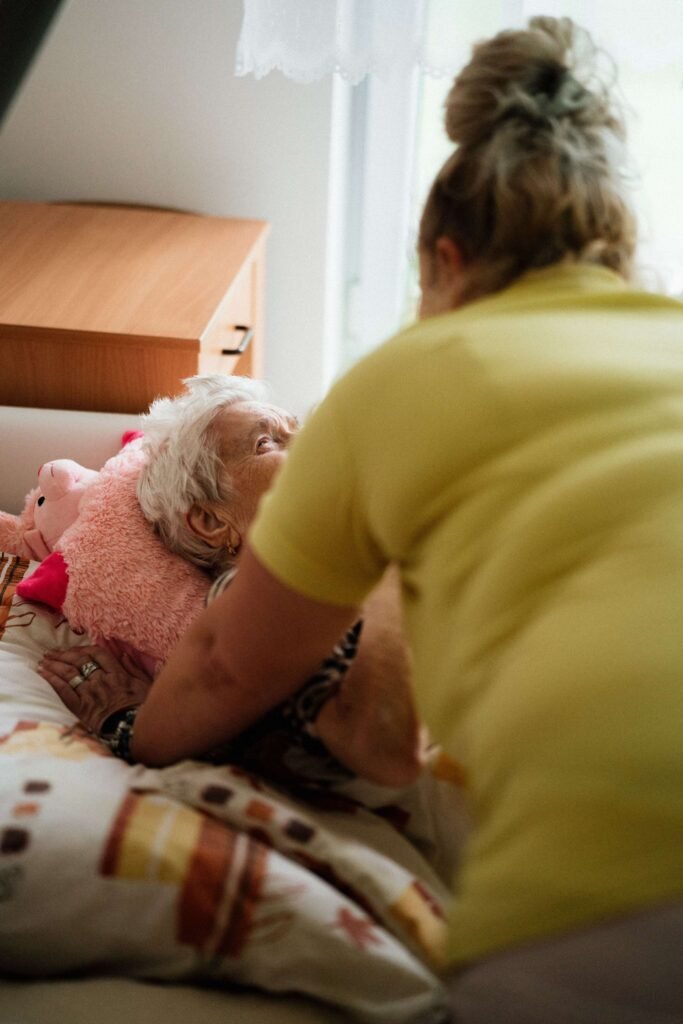
Elderly overnight care means a trained caregiver stays with an older adult all night. The caregiver helps with tasks, keeps the person safe, and is ready to help if anything happens.
Elderly overnight care is different from daytime care because it focuses on nighttime routines and problems that can happen while others are asleep. Caregivers might help with bathroom trips, changing positions in bed, reminding about medicine, or giving comfort if the senior wakes up confused or worried.
Elderly overnight care is not the same as live-in care. Live-in caregivers help during the day and sleep at night, but overnight caregivers are there just for nighttime support.
Who Can Benefit from Elderly Overnight Care?
Seniors Living with Dementia or Alzheimer’s Disease
Many people with dementia experience nighttime confusion or wandering, often called “sundowning.” Elderly overnight care helps keep them safe by providing supervision, reassurance, and immediate assistance if they become disoriented.
Older Adults with Limited Mobility
Seniors who struggle with walking, balance, or transferring from bed to chair often benefit from overnight care. A caregiver can assist with bathroom visits and reduce the risk of falls during the night.
Individuals Recovering from Surgery
After surgeries like hip or knee replacements, it can be hard to move around safely. Elderly overnight care helps during recovery by assisting with movement, reminding about medicine, and watching for any problems.
Seniors with Chronic Health Conditions
People with Parkinson’s, recovering from a stroke, or living with diabetes, heart, or breathing problems may need extra help at night. Elderly overnight care makes sure someone is there whenever help is needed.
What Does an Overnight Caregiver Do?
The responsibilities of elderly overnight care depend on the individual’s needs, but common duties include:
Assisting with Bathroom Visits
Many seniors wake several times during the night to use the bathroom. A caregiver provides steady support, reducing the chance of slips and falls.
Helping Prevent Falls
A main goal of elderly overnight care is to prevent injuries. Caregivers help seniors move safely at home and assist them when getting in or out of bed.
Medication Reminders
Some medicines need to be taken at night. Caregivers make sure these are given on time as prescribed.
Repositioning in Bed
For seniors who have trouble moving, changing positions often helps them feel more comfortable and lowers the risk of pressure sores.
Responding to Emergencies
If there is a medical emergency, an overnight caregiver can call emergency services, let family members know, and help right away until more help arrives.
Providing Companionship
Many older adults feel anxious or lonely at night. Elderly overnight care offers emotional support, helping seniors feel safe and less alone.
Light Household Tasks
Caregivers may also help with small tasks like making breakfast, tidying the bedroom, washing dishes used overnight, or setting up medicines for the next day, depending on the care plan.
Types of Elderly Overnight Care
Sleeping Overnight Caregiver
A sleeping caregiver stays in the home overnight and only wakes up if help is needed. This option is good for seniors who just need help once in a while during the night.
Waking Overnight Caregiver
A waking caregiver stays up all night. This type of care is best for seniors who need someone to watch over them all night because of health issues or frequent needs.
Live-In Care
Live-in caregivers help both day and night, but they have set times to rest and sleep. Families often pick this option when seniors need a lot of support every day.
Benefits of Elderly Overnight Care
Improved Safety
The biggest benefit of elderly overnight care is better safety. Having a caregiver close by lowers the risk of falls and means help is there quickly in an emergency.
Better Sleep for Family Caregivers
Family members often lose sleep worrying about their elderly loved ones. With elderly overnight care, families can rest easier knowing someone is there at night.
Greater Independence
Elderly overnight care lets many seniors stay in their own homes instead of moving to assisted living. Being in a familiar place often helps them feel better emotionally.
Reduced Risk of Hospitalization
Getting help quickly during nighttime emergencies can prevent problems that might otherwise lead to a hospital stay.
Emotional Comfort
Having someone close by helps reassure seniors who feel anxious, confused, or scared at night.
How Much Does Elderly Overnight Care Cost?
The cost of elderly overnight care depends on things like where you live, how experienced the caregiver is, and how much help is needed.
Sleeping caregivers usually cost less than waking caregivers because they only help when needed. The price also depends on medical needs, agency fees, and local pay rates.
Rather than using national averages, families should ask several local providers for quotes to compare services and prices.
How to Choose the Right Elderly Overnight Care Provider
Choosing the right provider is a big decision.
- Verify caregiver certifications and background checks.
- Ask about experience with specific medical conditions.
- Request references from previous clients.
- Discuss emergency response procedures.
- Review all costs before signing a contract.
- Arrange a trial night to evaluate compatibility.
Picking experienced caregivers helps make sure elderly overnight care meets both medical and personal needs.
Tips for Preparing Your Home for Overnight Care
Getting the home ready can make elderly overnight care work even better.
- Install grab bars in the bathroom.
- Improve hallway and bedroom lighting.
- Remove loose rugs and trip hazards.
- Keep emergency phone numbers visible.
- Organize medications in clearly labeled containers.
- Place walkers or canes beside the bed.
- Test smoke and carbon monoxide detectors regularly.
These simple changes help make the home safer for both seniors and caregivers.

Frequently Asked Questions
What is elderly overnight care?
Elderly overnight care is a professional caregiving service that provides assistance and supervision during nighttime hours to help older adults remain safe and comfortable at home.
Who needs elderly overnight care?
Seniors with dementia, mobility challenges, chronic illnesses, or those recovering from surgery often benefit from elderly overnight care.
How many hours does overnight care usually cover?
Most elderly overnight care services cover 8 to 12 hours, though schedules can be customized to individual needs.
Is overnight care for the elderly covered by insurance?
Coverage varies depending on your country, insurance provider, and eligibility. Contact your insurance company or local healthcare services to understand available benefits.
What is the difference between overnight care and live-in care?
Elderly overnight care focuses specifically on nighttime assistance, while live-in caregivers provide broader daytime support in addition to overnight presence.
Final Thoughts
Choosing elderly overnight care can make life much better for both seniors and their families. It brings safety, comfort, companionship, and professional help during the hours when older adults need it most.
Every family is different, so take time to look at your loved one’s needs, compare providers, and ask questions before deciding. The right overnight care plan can help seniors stay independent and give families peace of mind that their loved one is safe at night.
Recommended YouTube Resource
This video might help:
References
- Centers for Disease Control and Prevention (CDC). Older Adult Fall Prevention. https://www.cdc.gov/falls/
- National Institute on Aging (NIA). Aging in Place: Growing Older at Home. https://www.nia.nih.gov/health/aging-place-growing-older-home
- Alzheimer’s Association. Caregiving and Safety. https://www.alz.org/help-support/caregiving
- Family Caregiver Alliance. Caregiver Resources. https://www.caregiver.org/

Hi, I’m Kristi Jenkins, a passionate blogger and content writer with a love for storytelling. With years of experience in writing engaging and insightful articles, I focus on topics like mental health, lifestyle, and personal growth. My goal is to create content that inspires, educates, and connects with readers on a deeper level.