Now Reading: Blueberries During Pregnancy: Benefits, Safety & Nutrition
-
01
Blueberries During Pregnancy: Benefits, Safety & Nutrition
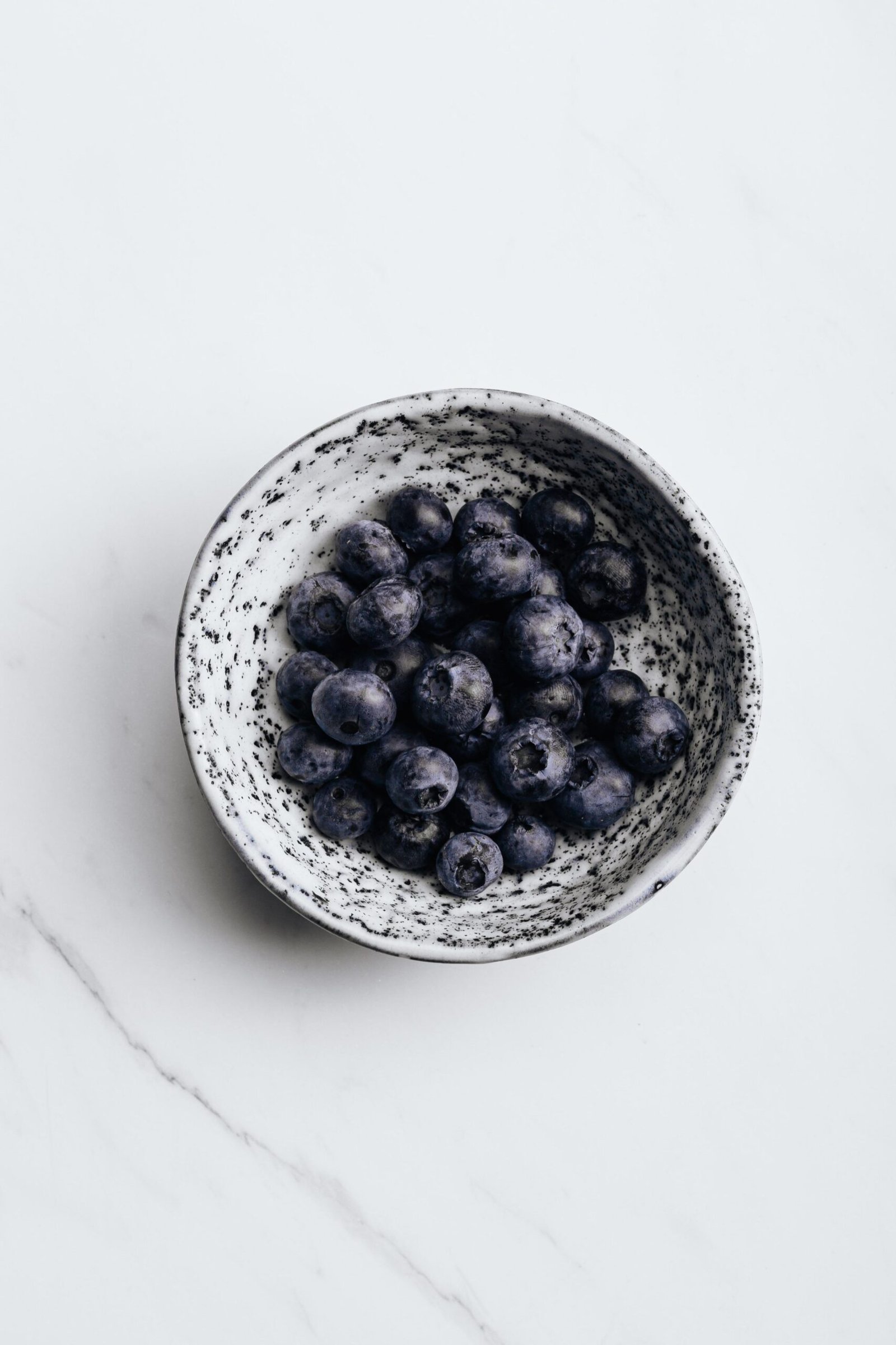
If you’re expecting, eating nutritious foods is especially important. Blueberries are often recommended for pregnant women. Many healthcare professionals say these small berries are a healthy choice for a balanced diet. They offer vitamins, fiber, antioxidants, and natural sweetness, all with few calories.
Expectant mothers often ask about blueberries because they want foods that support their health and their baby’s growth. Blueberries are not a magic food, but they do offer helpful nutrients as part of a balanced diet. This guide covers the benefits of eating blueberries during pregnancy, safe amounts, precautions, and easy ways to add them to your meals.
Are Blueberries Safe During Pregnancy?
Yes, for most healthy pregnant women, eating blueberries is safe. You can enjoy fresh, frozen, or unsweetened blueberries as part of your diet. Just make sure to wash fresh blueberries well to lower the risk of bacteria or pesticides.
According to the Centers for Disease Control and Prevention (CDC), pregnant women should wash fresh fruits and vegetables under running water before eating them to help reduce the risk of foodborne illness (https://www.cdc.gov/food-safety/).
If you have gestational diabetes or need to change your diet for another reason, ask your doctor or dietitian about the right amount of blueberries for you.
Nutritional Value of Blueberries
Blueberries are often recommended during pregnancy because they offer several important nutrients.
| Nutrient | Benefit During Pregnancy |
| Vitamin C | Supports immune health and collagen production |
| Vitamin K | Supports normal blood clotting and bone health |
| Fiber | Helps maintain healthy digestion |
| Manganese | Supports metabolism and bone development |
| Anthocyanins | Powerful antioxidants that help protect cells |
| Water | Supports hydration |
According to the U.S. Department of Agriculture (USDA FoodData Central), blueberries are naturally low in calories while providing valuable vitamins and antioxidants (https://fdc.nal.usda.gov).
8 Benefits of Blueberries During Pregnancy
1. Rich in Powerful Antioxidants
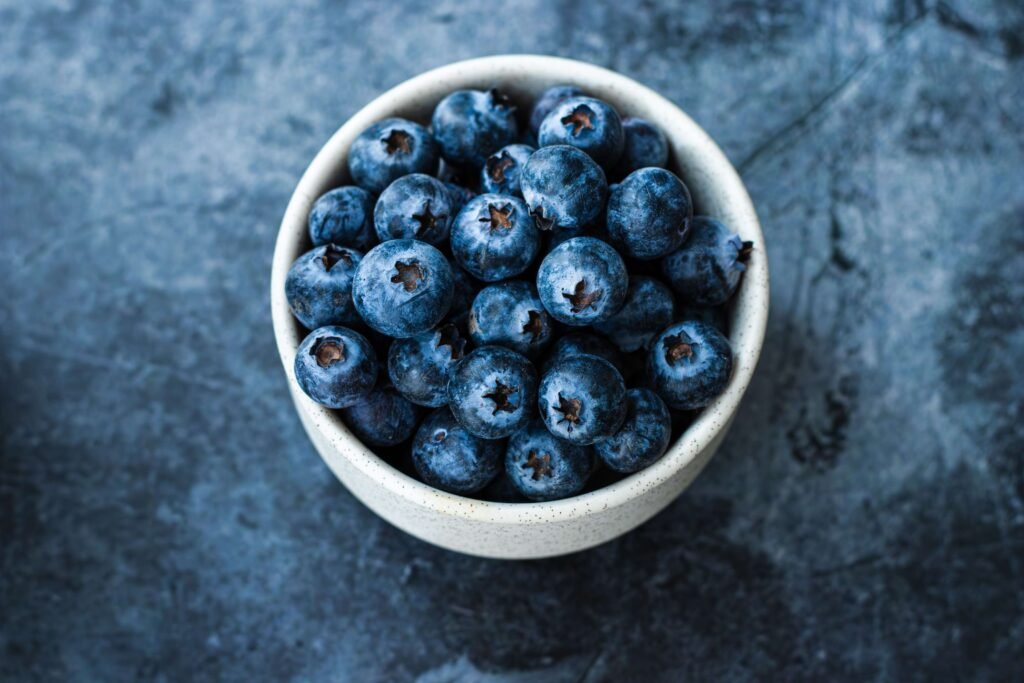
Many people are interested in blueberries during pregnancy because they are high in antioxidants. Blueberries have anthocyanins, which are natural pigments that give them their deep blue color.
Antioxidants help protect the body’s cells from oxidative stress, supporting overall health during pregnancy.
2. Supports a Healthy Immune System
Vitamin C is important for your immune system. Adding blueberries to your meals can help you get enough vitamin C, along with other fruits and vegetables.
Vitamin C also supports collagen production, which contributes to healthy skin, blood vessels, and connective tissue.
3. Helps Maintain Healthy Digestion
Constipation is common in pregnancy because hormones slow down digestion. The fiber in blueberries can help keep your digestion regular and support gut health.
Drinking enough water throughout the day also improves the benefits of dietary fiber.
4. Supports Baby’s Growth and Development
No single food has everything your baby needs to grow. Still, blueberries add vitamins, minerals, and antioxidants that help support good nutrition.
Eating a variety of fruits, vegetables, lean proteins, whole grains, and healthy fats remains the best approach during pregnancy.
5. May Support Heart Health
Researchers have studied the plant compounds in blueberries for their possible benefits to heart health. While eating blueberries cannot prevent heart disease or pregnancy problems, adding them to a healthy diet can support your heart.
The American Heart Association encourages eating a variety of fruits and vegetables every day as part of a heart-healthy eating pattern (https://www.heart.org).
6. Helps You Enjoy a Naturally Sweet Snack
Many pregnant women crave sweets. Choosing blueberries instead of processed desserts gives you natural sweetness, plus fiber and nutrients.
Pairing blueberries with plain Greek yogurt or a handful of nuts creates a more balanced snack that also provides protein.
7. Supports Healthy Hydration
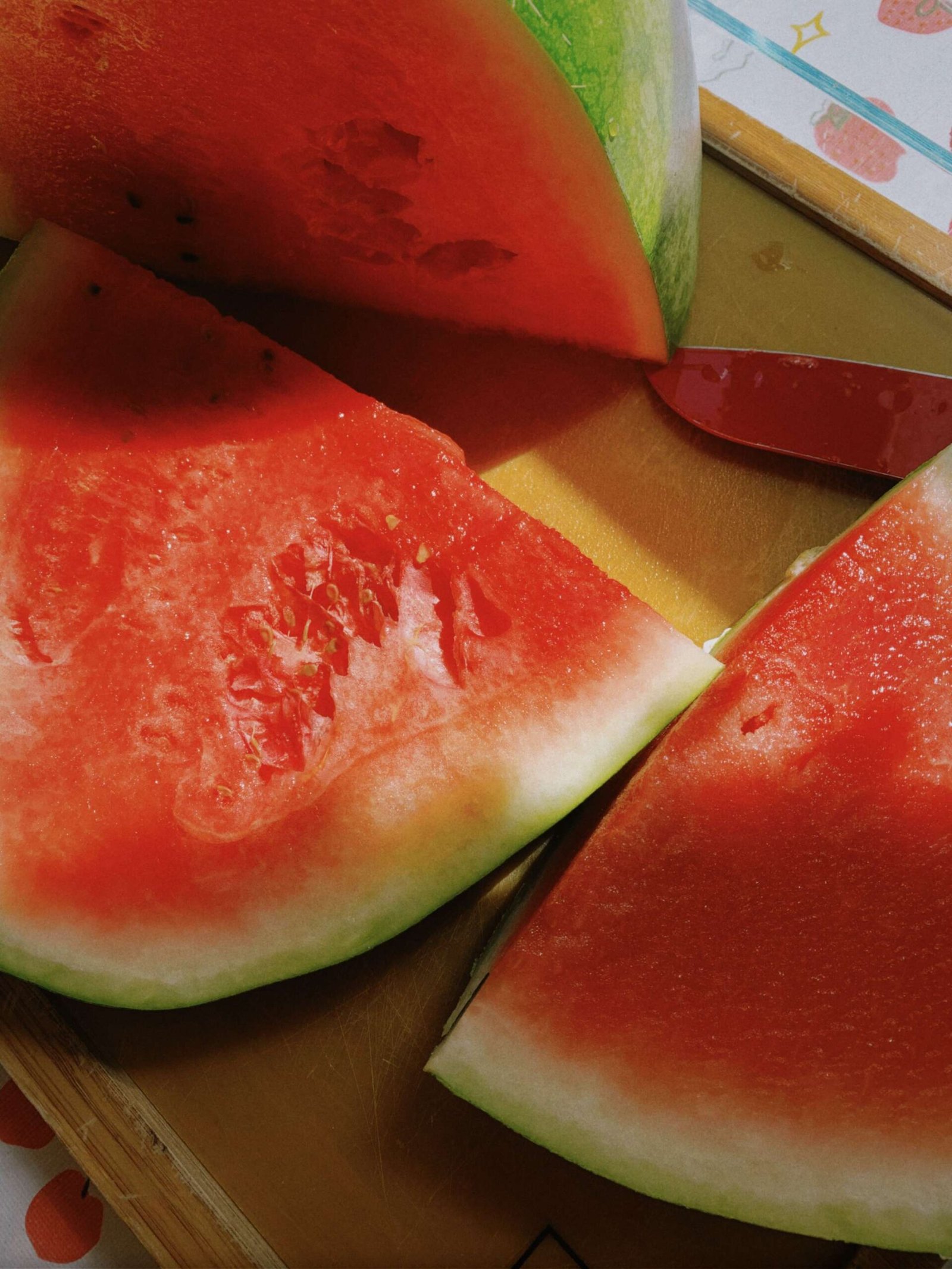
Although blueberries are not as water-rich as watermelon, they still contribute to your daily fluid intake. Staying hydrated is essential during pregnancy because it supports circulation, digestion, and amniotic fluid levels.
Adding blueberries along with other hydrating foods is an easy way to get more fluids.
8. Easy to Include in Daily Meals
Another great thing about blueberries is how easy they are to enjoy.
You can add blueberries to:
- Oatmeal
- Yogurt
- Smoothies
- Whole-grain cereal
- Salads
- Cottage cheese
- Homemade muffins with reduced sugar
Because they are so versatile, blueberries are one of the easiest fruits to add to a healthy pregnancy diet.
How Many Blueberries Can You Eat During Pregnancy?
It’s important to eat blueberries in moderation, just like any other food.
For most healthy women, about 1 cup (150 grams) of fresh blueberries makes a reasonable serving. Instead of relying on one fruit alone, eat a variety of colorful fruits throughout the week to obtain different vitamins and antioxidants.
If you have gestational diabetes, your healthcare provider may recommend adjusting portion sizes based on your blood sugar management plan.
Fresh vs Frozen vs Dried Blueberries
| Type | Benefits | Things to Consider |
| Fresh | Great flavor and texture | Wash thoroughly |
| Frozen | Available year-round and equally nutritious | Choose unsweetened varieties |
| Dried | Convenient for snacks | Higher concentration of natural sugars |
Frozen blueberries retain most of their nutrients, making them an excellent option when fresh berries are unavailable.
Delicious Ways to Enjoy Blueberries During Pregnancy
There are many ways to enjoy blueberries and keep your meals healthy.
Try these ideas:
- Fresh blueberries as a snack
- Blueberry yogurt parfait
- Oatmeal topped with blueberries
- Homemade blueberry smoothie
- Whole-grain blueberry pancakes
- Mixed green salad with blueberries
- Cottage cheese with blueberries
- Homemade muffins using whole-grain flour
These easy meal ideas help you eat more fruit without turning to processed foods.
Possible Side Effects of Eating Too Many Blueberries
While blueberries have many health benefits, eating too many can cause:
- Bloating
- Digestive discomfort
- Excess calorie intake
- Too much natural sugar
- Reduced variety in your diet
Eating moderate amounts lets you enjoy blueberries and keep your diet balanced.
Tips for Eating Blueberries Safely During Pregnancy
Handling food safely is especially important when you’re pregnant.
Follow these precautions:
- Wash fresh blueberries under running water.
- Refrigerate them promptly.
- Discard moldy berries.
- Store away from raw meat.
- Eat before they spoil.
The CDC recommends proper food safety practices throughout pregnancy to reduce the risk of foodborne illness (https://www.cdc.gov/food-safety/).
Can Women with Gestational Diabetes Eat Blueberries?
Many women with gestational diabetes can still eat blueberries as part of their meal plan. The key is to watch your portion size.
Pair blueberries with foods containing protein or healthy fats, such as Greek yogurt or almonds, to help slow digestion and support steadier blood sugar levels.
Always follow the personalized nutrition plan provided by your healthcare team.
Common Myths About Blueberries During Pregnancy
Do Blueberries Make Babies Smarter?
There is no scientific evidence showing that eating blueberries during pregnancy directly increases a baby’s intelligence.
Can Blueberries Prevent Pregnancy Complications?
Blueberries add helpful nutrients, but no single fruit can prevent pregnancy complications. It’s important to have a healthy lifestyle and get regular prenatal care.
Should Blueberries Be Avoided in the First Trimester?
No. There’s no evidence that healthy women need to avoid blueberries at any stage of pregnancy, unless their doctor says otherwise.
Frequently Asked Questions
Are blueberries safe in all three trimesters?
Yes. Eating blueberries is generally safe during all stages of pregnancy if you eat them in moderation.
Can I eat blueberries every day while pregnant?
Yes. You can eat blueberries every day as part of a balanced diet, as long as you also eat other fruits.
Are frozen blueberries safe during pregnancy?
Yes. Unsweetened frozen blueberries are a nutritious option.
Can blueberries help with constipation?
Their fiber content may support healthy digestion when combined with adequate water intake.
Are blueberry smoothies healthy during pregnancy?
Yes, especially when made with plain yogurt, milk, and whole fruit without added sugars.
Final Thoughts
Adding blueberries to your daily diet is an easy and tasty way to get more vitamins, fiber, antioxidants, and other good nutrients. For most women, blueberries are a safe and healthy choice in all three trimesters, as long as you wash them well and eat them in moderation.
Keep in mind that healthy eating during pregnancy is about your overall diet, not just one food. Enjoy blueberries along with other fruits, vegetables, lean proteins, whole grains, dairy or fortified alternatives, and healthy fats to support your health and your baby’s growth. If you have gestational diabetes or another pregnancy-related condition, talk to your doctor or dietitian for advice that fits your needs.
Recommended YouTube Video
Here’s a helpful video:
References
- Centers for Disease Control and Prevention (CDC). Food Safety During Pregnancy. https://www.cdc.gov/food-safety/
- American College of Obstetricians and Gynecologists (ACOG). Nutrition During Pregnancy. https://www.acog.org/
- U.S. Department of Agriculture (USDA). FoodData Central – Blueberries. https://fdc.nal.usda.gov/
- American Heart Association. Healthy Eating Recommendations. https://www.heart.org/
- Academy of Nutrition and Dietetics. Healthy Eating During Pregnancy. https://www.eatright.org/

Hi, I’m Kristi Jenkins, a passionate blogger and content writer with a love for storytelling. With years of experience in writing engaging and insightful articles, I focus on topics like mental health, lifestyle, and personal growth. My goal is to create content that inspires, educates, and connects with readers on a deeper level.