Now Reading: 7 Benefits of Clove Oil for Hair and How to Use It
-
01
7 Benefits of Clove Oil for Hair and How to Use It
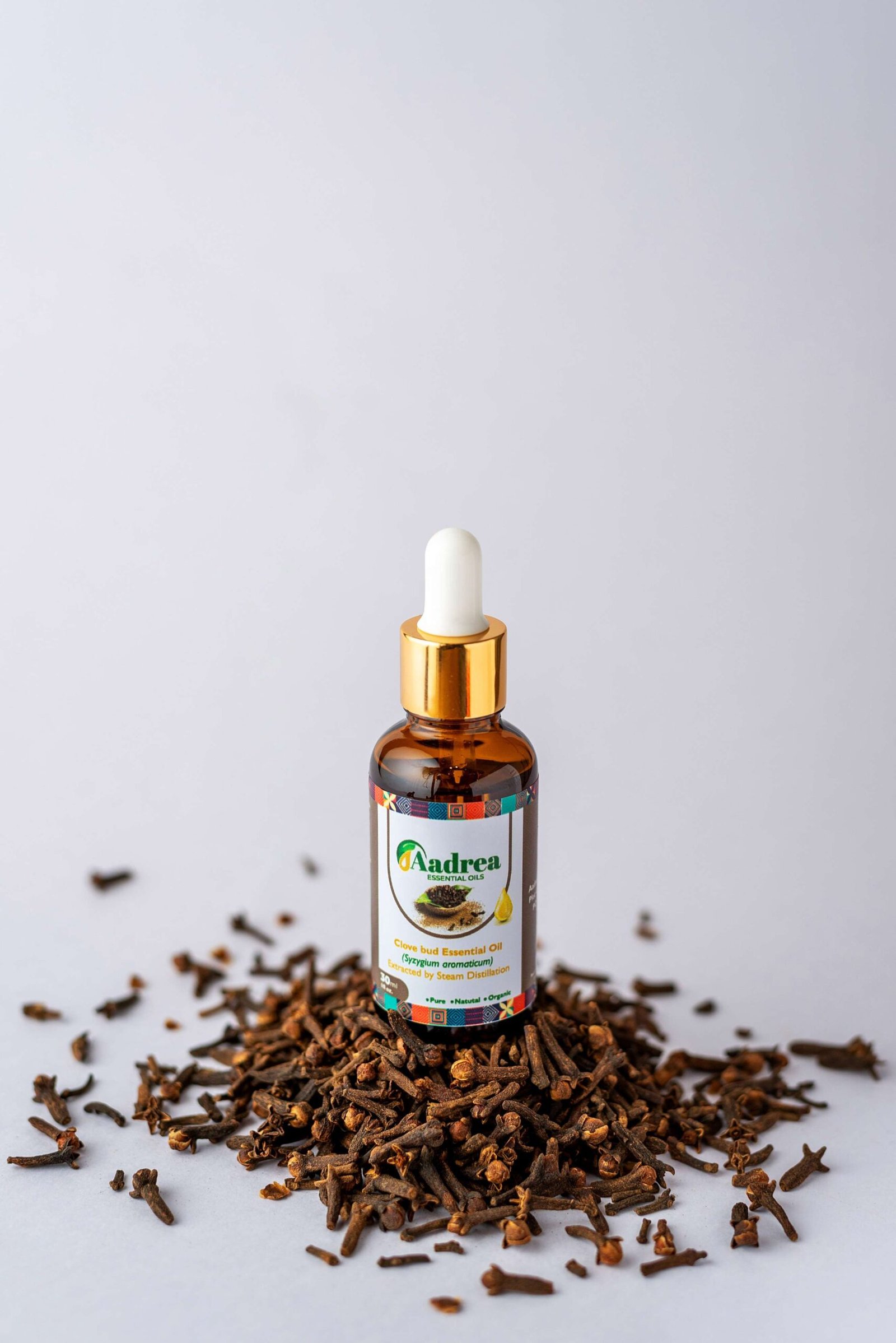
If you struggle with dryness, itching, dandruff, breakage, or thinning, you might feel tempted to try every natural hair remedy you find. Clove oil has become popular for hair care because it contains a lot of eugenol, a natural plant compound.
Clove oil may offer antimicrobial and antioxidant benefits that help keep your scalp healthy. Still, there is no solid proof that using clove oil makes hair grow faster or stops hair loss. Because clove essential oil is very strong, it is important to dilute it safely.
Let’s look at what research says about clove oil, your scalp, and your hair.
What Is Clove Oil?
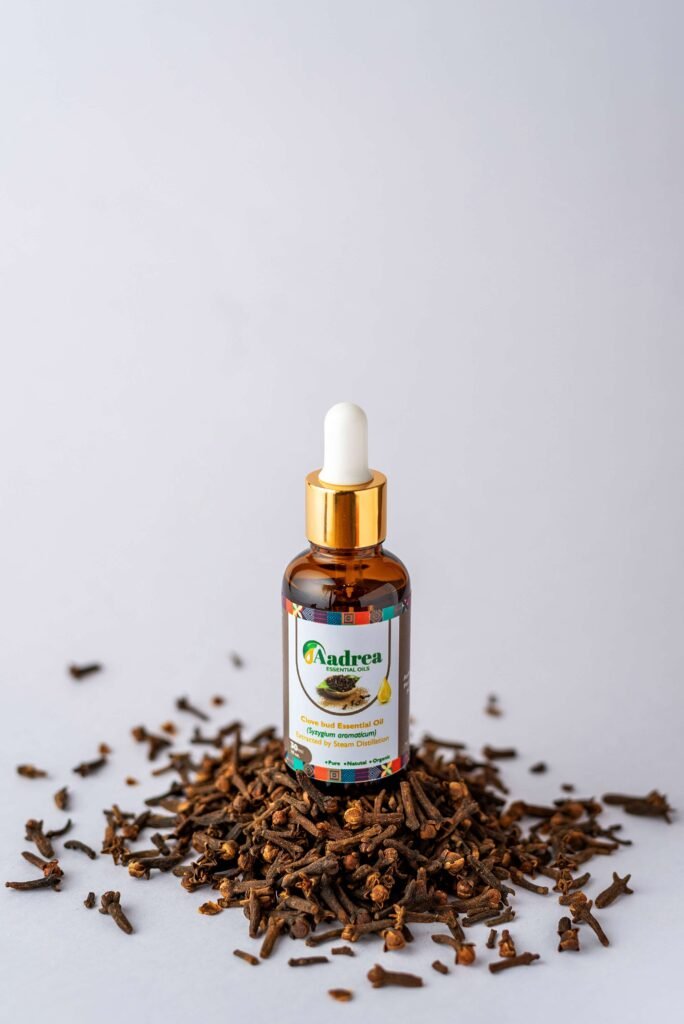
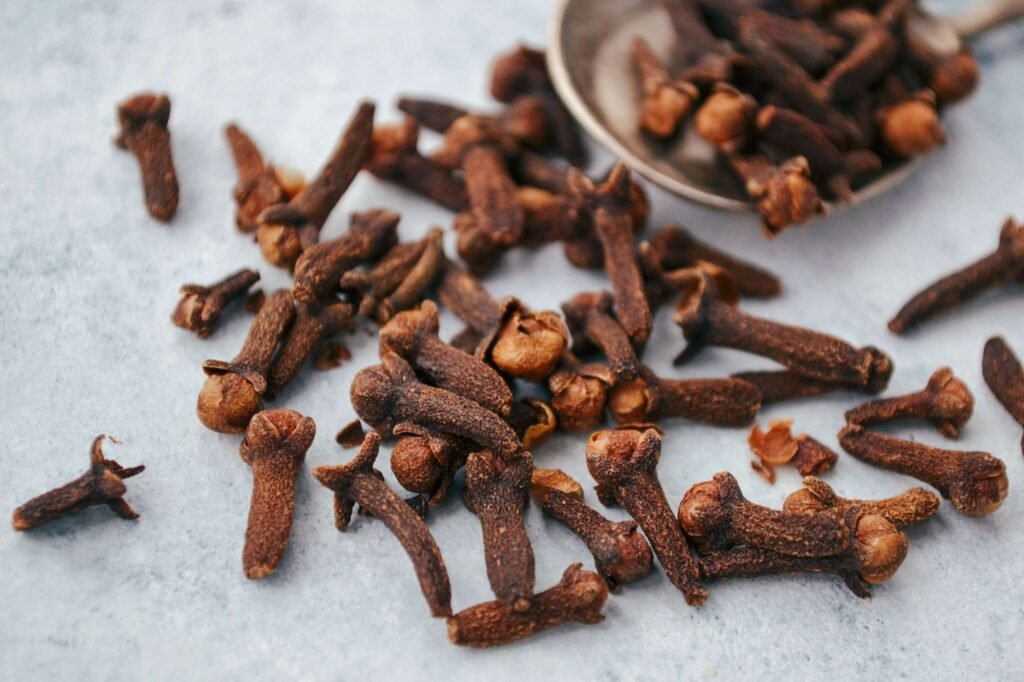
Clove essential oil is made from the clove plant, Syzygium aromaticum. It has a strong, spicy smell and contains several active plant compounds.
Eugenol is particularly important. According to the NIH’s LiverTox database, eugenol makes up approximately 70% to 90% of aromatic clove oil.
Researchers have investigated eugenol for antioxidant, antimicrobial, antifungal, and anti-inflammatory properties.
Clove essential oil is not the same as clove water or oil made by soaking whole cloves. Essential oil is much more concentrated and should not be used like regular cooking oil.
7 Potential Benefits of Clove Oil for Hair
1. May Support an Itchy Scalp
Clove oil may help make your scalp feel more comfortable.
Eugenol has shown antioxidant and anti-inflammatory activity in experimental research. One study involving human cells found antioxidant and anti-inflammatory effects, although researchers also noted that eugenol can irritate skin and showed toxic effects on keratinocytes under experimental conditions.
So, do not assume clove oil is completely safe just because it is plant-based.
If your scalp keeps itching or you notice redness, sores, or a lot of scaling, it is better to see a dermatologist instead of using essential oils over and over.
2. Has Antimicrobial Properties
Clove oil has demonstrated antimicrobial activity against various microorganisms in laboratory research.
A scientific review found that eugenol has broad antimicrobial activity against several fungi and both Gram-positive and Gram-negative bacteria.
Another study found that clove essential oil containing 85.3% eugenol inhibited several Candida, Aspergillus, and dermatophyte species under laboratory conditions.
These research results are promising, but just because clove oil works in the lab does not mean homemade clove oil can cure scalp infections.
3. Provides Antioxidant Activity
People also talk about clove oil for hair because it may have antioxidant effects.
Eugenol is a phenolic compound with documented antioxidant properties. Oxidative stress has attracted considerable research interest in skin and hair biology.
But putting an antioxidant on your scalp does not guarantee new hair will grow.
It is better to see antioxidant activity as an interesting feature of clove oil, not as proof that it can fix thinning hair.
4. May Make Dry Hair Feel Softer
Clove essential oil is not a moisturizing oil on its own. You should always mix it with a carrier oil like coconut, jojoba, or argan oil before using it.
These carrier oils can help coat dry hair and make it feel softer and smoother.
Coconut oil has particularly good evidence for hair-shaft protection. A study comparing coconut, sunflower, and mineral oils found that coconut oil was the only one of the three that markedly reduced protein loss from both damaged and undamaged hair.
Therefore, when a clove-and-coconut-oil mixture makes hair softer, some of that benefit probably comes from the coconut oil.
5. May Improve Shine and Manageability
A properly diluted oil mixture can coat the outside of your hair strands.
This can reduce the rough feeling of dry hair and make strands look smoother and shinier. It may also provide more slip when you style or detangle your hair.
This is one of the cosmetic benefits of clove oil for hair, but again, the carrier oil does much of the conditioning work.
Smoother-looking hair does not mean damaged hair has permanently repaired itself.
6. May Support a Healthier Scalp Environment
Normal hair growth begins inside follicles in the scalp, so maintaining a comfortable scalp is an important part of hair care.
Clove oil’s antimicrobial and anti-inflammatory properties have led researchers to investigate possible topical applications.
However, supporting the scalp and stimulating hair follicles are two different things.
A comfortable scalp may help you maintain a healthy hair-care routine, but there is insufficient clinical evidence showing that clove essential oil activates dormant follicles or reverses common forms of hair loss.
7. Can Be Used During Scalp Massage
A diluted clove-oil mixture can also become part of a gentle scalp-massage routine.
The massage itself may feel relaxing, while the carrier oil helps lubricate the skin and hair.
Use your fingertips rather than your nails and avoid aggressive rubbing.
Among the benefits of clove oil for hair, this is best viewed as a pleasant hair-care ritual rather than a proven treatment for thinning.
Does Clove Oil Really Help Hair Growth?
This is where online claims often move ahead of the evidence.
There is currently no strong clinical evidence showing that topical clove essential oil reliably stimulates new hair growth in humans.
Clove oil and eugenol have interesting antioxidant, antimicrobial, and anti-inflammatory properties. However, demonstrating those properties in laboratory experiments is different from showing that clove oil regrows human hair.
If using a diluted oil reduces dryness or breakage, your hair may retain more length and appear healthier. That is not the same as making follicles produce new hair.
Hair loss can result from genetics, hormonal changes, alopecia areata, nutritional deficiencies, thyroid problems, stress, medications, or scalp disease. Persistent or sudden hair loss deserves a proper medical evaluation.
How to Use Clove Oil for Hair Safely
Because essential oil is concentrated, safe use is more important than using a large amount.
Dilute Clove Oil First
Never pour pure clove essential oil directly onto your scalp.
For a cautious DIY approach, you can start with 1 drop of clove essential oil in about 1 teaspoon (5 mL) of carrier oil, such as jojoba or coconut oil.
Essential oils can trigger skin reactions, and a dermatology review notes that many reported reactions occur after exposure to pure oils or highly concentrated products.
Do a Patch Test
Test a small amount of your diluted mixture on a limited area of skin before applying it widely.
Watch for redness, burning, itching, swelling, or a rash.
Eugenol is a recognized potential contact allergen, and cases of allergic contact dermatitis associated with clove oil and eugenol have been documented.
Massage Gently
If your skin tolerates the diluted mixture, apply a small amount to the scalp and gently massage it with your fingertips.
You can then shampoo it out rather than leaving a strong essential-oil mixture on the scalp for extended periods.
Stop immediately if you experience burning or significant irritation.
Clove Oil With Coconut Oil
Combining clove essential oil with coconut oil makes more sense than applying clove oil alone.
Coconut oil acts as the carrier, diluting the concentrated essential oil. It also has research supporting its ability to reduce hair protein loss.
This combination may make dry hair feel softer and easier to manage while providing the aromatic and antimicrobial compounds found in clove oil.
However, there is no good evidence showing that a coconut-and-clove-oil mixture regrows lost hair.
Clove Oil vs. Clove Water for Hair
| Feature | Clove Oil | Clove Water |
| Concentration | High | Much lower |
| Eugenol level | High | Lower and variable |
| Needs dilution | Yes | Usually already dilute |
| Irritation potential | Higher | Generally lower |
| Hair-growth evidence | Limited | Limited |
Clove water usually involves soaking or boiling cloves in water, while essential oil is a concentrated aromatic extract.
If your main concern is sensitivity, clove water is less concentrated. However, neither option has strong clinical evidence for stimulating hair growth.
Can Clove Oil Help With Dandruff?
Clove oil’s antifungal properties make this claim sound plausible.
Laboratory research has shown antifungal activity against several fungal species. However, that does not establish DIY clove oil as an effective treatment for dandruff or seborrheic dermatitis.
Dandruff can have several contributing factors, and treatments formulated specifically for the condition have stronger clinical support.
If dandruff is severe, persistent, painful, or accompanied by hair loss, speak with a dermatologist.
Side Effects of Clove Oil on Hair and Scalp
The benefits of clove oil for hair need to be balanced against its potential to irritate the skin.
Possible reactions include burning, redness, itching, contact dermatitis, dryness, and allergic reactions.
Research specifically describes eugenol as a skin irritant, despite its interesting antioxidant and anti-inflammatory properties.
Avoid using clove essential oil on broken or inflamed skin, and keep it away from your eyes.
You should also never assume that a stronger concentration produces better results. In essential-oil skin care, more can simply mean greater irritation.
Who Should Avoid Clove Oil?
People with very sensitive skin, an existing clove or eugenol allergy, or an active inflammatory scalp condition should be particularly cautious.
If you have eczema, open sores, unexplained scalp inflammation, or significant hair loss, get professional advice before experimenting with concentrated essential oils.
Extra caution is also sensible when using essential oils around young children or during pregnancy and breastfeeding.
Better-Supported Alternatives for Hair Growth
If your primary goal is regrowing thinning hair, identifying the cause matters more than choosing an essential oil.
Evidence-based treatment depends on the diagnosis. Options may include topical or oral minoxidil, prescription treatments for pattern hair loss, correction of nutritional deficiencies when confirmed, or treatment of an underlying scalp or medical condition.
Clove oil should not delay proper evaluation if your hair suddenly falls out, develops bald patches, or continues thinning.
The benefits of clove oil for hair are better viewed as possible scalp and cosmetic benefits rather than a replacement for established hair-loss treatment.
Frequently Asked Questions
Is clove oil good for hair?
Potential benefits of clove oil for hair include antioxidant and antimicrobial activity and possible scalp support. When diluted with a carrier oil, the mixture can also make dry hair feel softer and smoother.
Can clove oil regrow hair?
There is not enough high-quality human research showing that topical clove oil regrows lost hair. Claims that it directly stimulates follicles should therefore be treated cautiously.
Can I put clove oil directly on my scalp?
Pure clove essential oil should not be applied directly to the scalp. Eugenol can irritate skin and trigger contact reactions.
How often should I use clove oil for hair?
There is no scientifically established frequency for hair growth. If you choose to try a diluted preparation, start conservatively and stop using it if irritation develops.
Does clove oil make hair shiny?
A diluted oil blend can make hair look smoother and shinier. Much of this conditioning effect comes from the carrier oil.
Can clove oil stop hair fall?
There is no strong evidence that clove oil stops hair loss caused by genetics, hormones, nutritional deficiencies, thyroid problems, or autoimmune conditions.
Final Thoughts
The realistic benefits of clove oil for hair mainly relate to its antimicrobial, antioxidant, and potential scalp-supporting properties. When you dilute it in a suitable carrier oil, the mixture may also help dry hair feel softer, smoother, and more manageable.
However, clove oil is not a proven hair-growth treatment.
Use it cautiously, keep concentrations low, and stop if your scalp becomes irritated. If you are experiencing persistent thinning or unusual hair loss, finding the underlying cause is far more important than relying on an essential oil.
Helpful YouTube Resource
Here’s a helpful video:
References
1. NIH LiverTox — Eugenol (Clove Oil)
Explains the composition of clove oil and notes that eugenol accounts for approximately 70%–90% of the aromatic oil extracted from cloves.
Read NIH LiverTox: Eugenol (Clove Oil)
2. Ulanowska M, Olas B. — Biological Properties and Prospects for the Application of Eugenol: A Review
Reviews the antioxidant, antimicrobial, antifungal, and anti-inflammatory properties investigated for eugenol.
View the research on PubMed
3. Pinto E, et al. — Antifungal Activity of Clove Essential Oil
Laboratory research found clove oil containing 85.3% eugenol showed antifungal activity against tested Candida, Aspergillus, and dermatophyte strains.
View the antifungal study on PubMed
4. Rele AS, Mohile RB. — Effect of Mineral Oil, Sunflower Oil, and Coconut Oil on Prevention of Hair Damage
Found that coconut oil reduced protein loss from damaged and undamaged hair, supporting its use as a conditioning carrier oil.
View the hair-oil study on PubMed
5. Essential Oils, Part IV: Contact Allergy
Reviews allergic contact dermatitis associated with essential oils and notes that reactions frequently involve pure oils or highly concentrated products.
View the review on PubMed
6. Eugenol as a Promising Molecule for the Treatment of Dermatitis
Experimental research discusses eugenol’s antioxidant and anti-inflammatory properties while also identifying its potential for skin irritation.
View the study on PubMed

Hi, I’m Kristi Jenkins, a passionate blogger and content writer with a love for storytelling. With years of experience in writing engaging and insightful articles, I focus on topics like mental health, lifestyle, and personal growth. My goal is to create content that inspires, educates, and connects with readers on a deeper level.