Now Reading: Lavender Oil Wound Healing: Benefits, Research & Uses
-
01
Lavender Oil Wound Healing: Benefits, Research & Uses
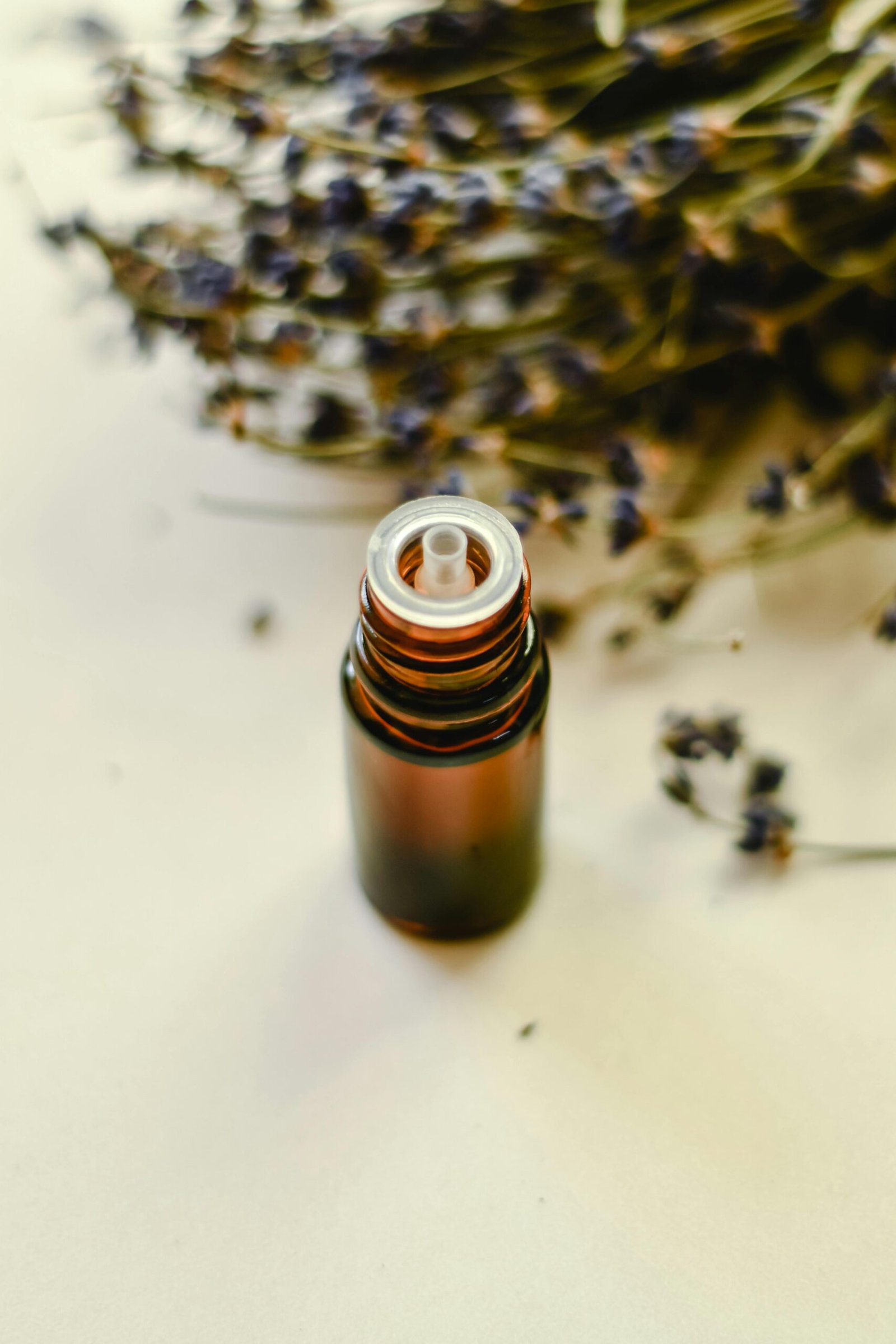
Lavender essential oil has a long history in traditional wellness. Today, many people turn to lavender oil for wound healing because it may help soothe and restore the skin. It is often used in natural skincare for minor cuts, scrapes, and irritated skin.
Lavender oil is becoming more popular for wound healing because of its traditional use and new scientific studies. Research suggests it may help repair tissue, reduce inflammation, and boost collagen. Still, it is important to use it correctly and have realistic expectations.
This article looks at the science behind lavender oil for wound healing, its possible benefits, how to use it safely, and what to watch out for before trying it.
What Is Lavender Oil?
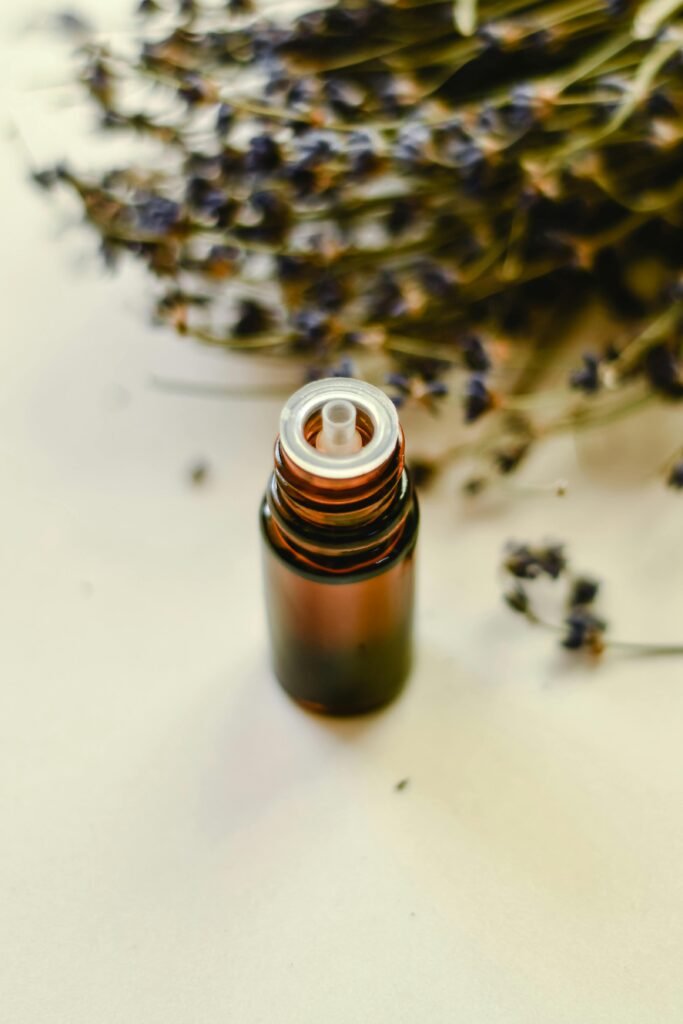
Lavender oil comes from the flowers of the Lavandula angustifolia plant. It has active ingredients like linalool and linalyl acetate, which give it a calming scent and helpful qualities.
People have used lavender oil for generations in aromatherapy, skincare, and natural remedies. Interest in using it for wound healing is growing as researchers study how its compounds might help skin repair and renew itself.
Traditional Uses of Lavender Oil
Lavender oil has long been used to calm irritated skin, help people relax, and support general wellness. Its versatility and pleasant scent make it one of the most popular essential oils around the world.
Why Lavender Oil Is Used for Skin Health
Lavender oil is popular for wound healing because it has several qualities that may help the skin recover.
Antioxidant Properties
Lavender oil has antioxidants that may protect skin cells from damage caused by free radicals. Antioxidants are important for keeping skin healthy.
Anti-Inflammatory Effects
Inflammation helps the body heal, but too much can slow things down. Some research suggests lavender oil may help reduce inflammation in the skin.
Antimicrobial Activity
Lab studies show that lavender oil can fight some germs. This may help create a cleaner environment for the skin to heal.
Moisturizing Benefits
Dry skin can feel uncomfortable and get irritated easily. When properly diluted, lavender oil may help keep skin hydrated and comfortable while it heals.
Lavender Oil Wound Healing: What Does Science Say?
Research on lavender oil for wound healing has shown some promising results, but more studies with people are still needed.
A study published in BMC Complementary Medicine and Therapies found that lavender oil promoted wound contraction and increased collagen production in animal models. Collagen is an essential protein that helps rebuild damaged skin tissue.
Another study published in Evidence-Based Complementary and Alternative Medicine reported that lavender oil enhanced tissue regeneration and accelerated the healing process in laboratory settings.
According to the World Health Organization (WHO), injuries account for millions of wounds worldwide each year, highlighting the importance of safe and effective wound-care strategies.
Although these results are promising, experts say lavender oil should be used alongside regular medical care, not as a substitute.
Potential Benefits of Lavender Oil Wound Healing
Supports Faster Skin Recovery
A key benefit of lavender oil for wound healing is that it may help the skin repair itself. By supporting collagen production, it could help the skin heal more effectively.
May Help Reduce Minor Skin Irritation
Small wounds can cause redness and discomfort. Lavender oil may help calm irritated skin and make it feel better.
Promotes a Healthy Healing Environment
Lavender oil’s ability to fight germs may help keep the area around small wounds cleaner when used the right way.
May Help Minimize Visible Scarring
Collagen is important in how scars form. Some researchers think lavender oil may help the body make healthier collagen, which could make scars less noticeable over time.
Supports Overall Skin Health
Besides helping wounds heal, lavender oil is often used to improve skin texture, reduce dryness, and give skin a healthier look.
How to Use Lavender Oil for Wound Healing Safely
It’s important to use lavender oil safely to get the best results for wound healing.
Step 1: Clean the Area
Gently clean the area with mild soap and water. Good wound hygiene is the first step to healing well.
Step 2: Dilute Lavender Oil
Do not put undiluted lavender essential oil directly on broken skin.
Mix lavender oil with a carrier oil such as:
- Coconut oil
- Jojoba oil
- Sweet almond oil
A safe mix is usually 2 to 3 drops of lavender oil for each teaspoon of carrier oil.
Step 3: Apply Carefully
Carefully put the diluted oil around the wound if the skin is not broken. Do not rub too hard.
Step 4: Monitor Skin Response
Look out for signs of irritation like redness, itching, or swelling. Stop using it right away if you notice any of these.
DIY Lavender Oil Skin Recovery Blend
Ingredients
- 1 tablespoon jojoba oil
- 3 drops lavender essential oil
Instructions
- Put the ingredients together in a clean glass container.
- Mix thoroughly.
- Use a small amount on clean skin.
Storage Tips
Keep the blend in a cool, dark place, away from sunlight.
Lavender Oil for Different Skin Concerns
Minor Cuts and Scrapes
Many people use lavender oil to help small cuts and scrapes heal.
Dry and Irritated Skin
Lavender oil may calm dry skin and help it hold onto moisture.
Acne-Prone Skin
Because it fights germs and reduces inflammation, lavender oil is popular in skincare products for acne.
Eczema and Sensitive Skin
Some people find lavender oil helps calm irritation, but it’s always best to do a patch test first.
Can Lavender Oil Reduce Scars?
A common question is whether using lavender oil for wound healing can make scars less visible.
Research shows lavender oil may help the body make more collagen, which is important for skin to heal well. Still, no natural remedy can fully get rid of scars.
Taking care of your skin, protecting it from the sun, and managing wounds properly are the best ways to keep scars from standing out.
Risks and Precautions
Lavender oil may help with wound healing, but it is not right for every situation.
Skin Sensitivity
Some people may have allergic reactions or get skin irritation.
Importance of Dilution
Essential oils that are not diluted can harm sensitive skin and make irritation worse.
Avoid Severe Wounds
Do not use lavender oil instead of medical care for:
- Deep wounds
- Severe burns
- Animal bites
- Surgical wounds
When Should You Seek Medical Care?
Contact a healthcare professional if you notice:
- Increasing redness
- Swelling
- Pus or drainage
- Fever
- Delayed healing
Getting treatment quickly can help prevent problems and lead to better healing.
Final Thoughts on Lavender Oil Wound Healing
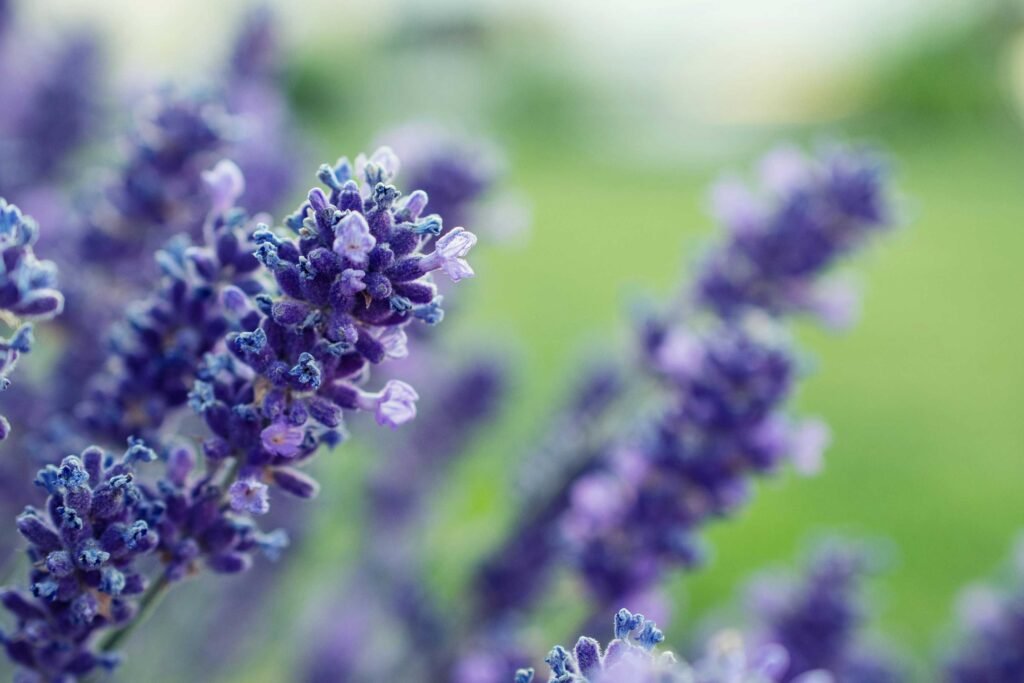
People are more interested in lavender oil for wound healing because of its long history and new research. Studies suggest it may help the body make more collagen, repair tissue, and calm irritated skin.
Still, lavender oil should be used as an extra step, not a replacement for good wound care. Always clean wounds well, use diluted oils, and talk to a doctor for serious injuries.
When used carefully, lavender oil can be a useful part of your skincare and wound care routine.
YouTube Resource
American Academy of Dermatology – Proper Wound Care Tips
References
World Health Organization (WHO) – Injuries and Wound Care
https://www.who.int
National Center for Complementary and Integrative Health (NCCIH) – Lavender
https://www.nccih.nih.gov/health/lavender
BMC Complementary Medicine and Therapies – Lavender and Wound Healing Research
https://bmccomplementmedtherapies.biomedcentral.com
Evidence-Based Complementary and Alternative Medicine Journal
https://www.hindawi.com/journals/ecam
American Academy of Dermatology – Wound Care Guidelines
https://www.aad.org
Mayo Clinic – Cuts and Scrapes First Aid
https://www.mayoclinic.org
Cleveland Clinic – Wound Healing Basics
https://health.clevelandclinic.org

Hi, I’m Kristi Jenkins, a passionate blogger and content writer with a love for storytelling. With years of experience in writing engaging and insightful articles, I focus on topics like mental health, lifestyle, and personal growth. My goal is to create content that inspires, educates, and connects with readers on a deeper level.