Now Reading: What Is Sobriety? Meaning, Types, and What It Looks Like Day to Day
-
01
What Is Sobriety? Meaning, Types, and What It Looks Like Day to Day
What Is Sobriety? Meaning, Types, and What It Looks Like Day to Day

Sobriety means not being intoxicated. In recovery, it usually also means making an ongoing choice to stay away from substances. Being sober right now is not the same as staying sober over a longer period.
That difference can be very confusing when you’re trying to describe your own situation. One person might say they’re sober tonight, another might say they’re six months sober, another might say they’re in the process of exploring an alcohol free life. Each of those statements tells you a different thing, and none of them tells you the full story of the person making the statement.

Sobriety definition: being sober now versus living sober
Merriam-Webster’s definition of sober covers both not being intoxicated and choosing not to use alcohol or drugs. The meaning depends on the situation and what the speaker wants to say.
In everyday conversation, saying ‘being sober now’ only describes how you are at the moment. It doesn’t say anything about your past drinking, your health, or your plans for the future.
In recovery, sobriety is often seen as something you practice. You might count the days since your last drink, name the substances you avoid, or explain what sobriety means in your recovery group.
When it counts, using clear language helps. Saying “I don’t drink alcohol” is clearer than just saying ‘sober.’ You can also keep it simple with “No thanks, I’m not drinking.” You don’t have to share your medical history at a social event.
Is sobriety the same as recovery?
These words are related but mean different things. Sobriety usually refers to substance use or intoxication. Recovery can also include health, relationships, housing, purpose, and support.
SAMHSA’s Working Definition of Recovery is a process of improving health and wellbeing and moving in a direction that enables one to live a life of purpose and potential. The definition identifies four key dimensions of recovery: health, home, purpose and community.
Looking at recovery more broadly helps us see needs that a simple day-to-day count might miss. Someone might not be drinking but still need stable housing, help with anxiety, or ways to connect with others. A milestone is important, but it’s not the only sign of progress.
There are also differences between everyday language and research definitions. The National Institute on Alcohol Abuse and Alcoholism’s recovery research definition combines remission from alcohol use disorder with ending heavy drinking. It does not require total abstinence in every case. That is a research framework, not a personal drinking recommendation or a universal definition of sobriety.
Sobriety, abstinence, harm reduction, and sober curiosity compared
These terms each address different ideas. The table shows the current state, behaviors, the bigger process, and ways to make changes. They aren’t steps you have to follow in a certain order.
| Term | What it generally describes | What the term alone does not tell you | A useful clarifying question |
| Sobriety | Being free from intoxication; in recovery settings, often sustained abstinence from specified substances. | Which substances the person means, their support needs or their diagnosis. | “What does being sober mean for you?” |
| Abstinence | Not using a particular substance or a specified group of substances. | The person’s overall wellbeing or whether they identify as being in recovery. | “Abstaining from what?” |
| Recovery | A broader process involving wellbeing, personal direction and support, as described in SAMHSA’s framework. | One required program, identity or timetable. | “What changes and support matter to you?” |
| Harm reduction | An approach aimed at reducing substance-related harms and supporting health, including people who continue to use substances. | A claim that substance use is harmless, or a synonym for abstinence. | “Which risks or needs are being addressed?” |
| Sober curious | Questioning the role alcohol plays in your life and considering changes. | A diagnosis, a promise of permanent abstinence or a treatment plan. | “What are you curious about changing?” |
‘Sober’ and ‘abstinent’ are defined in dictionaries. The recovery definition comes from SAMHSA. SAMHSA’s 2023 Harm Reduction Framework is a community approach to reducing harm and supporting healthier lives. It includes abstinence as an option if someone chooses it. Sober curiosity is a common term in personal stories, but it’s not a clinical category.
The practical lesson is to explain the choice you have in mind rather than just relying on a label to do the work for you.
What do people mean by different types of sobriety?
You may see articles that talk about physical, emotional, and spiritual types of sobriety. These are valid ways to describe different parts of the topic, but they aren’t an official clinical system.
Physical sobriety
People often use this phrase to show they aren’t drinking or using any intoxicating substances. It helps separate substance use from the emotional and social changes someone might also be working on.
It doesn’t mean someone feels physically well, has no cravings, or doesn’t need support. Those are separate issues.
Emotional sobriety
This phrase is used in recovery discussions about emotional balance and relationships. Bill W.’s essay The Next Frontier—Emotional Sobriety, published in the January 1958 AA Grapevine, is one influential example. The publisher’s archive entry confirms the author and publication; an AA group’s reproduction contains the essay.
The term isn’t meant to say you should always be calm. Feeling grief, anger, or anxiety doesn’t mean someone hasn’t been abstinent. Mental health issues are important and need attention on their own.
Spiritual or values-based sobriety
Some people equate being sober with faith, with service, with meaning and with personal values. Others take a more secular route. In either case, it can be helpful to define what the phrase means to you personally: does it mean attending a faith community? Does it mean making time for creative work? Does it mean trying to live in a way that is consistent with some value or principle?
What gives you meaning is personal, and someone else doesn’t have to meet the same standards for their sobriety to count.
What about “California sober”?
Merriam-Webster’s slang entry says ‘California sober’ means not drinking alcohol but still using cannabis. So, it’s not the same as avoiding all intoxicants. It’s just a slang term, not a safety assessment or a clinical recovery plan.
If this term comes up in a health discussion, be specific about which substances and patterns are involved. A label alone won’t give a professional the details they need.
What does sobriety look like on a day-to-day basis?
It often comes down to small choices, like where to meet a friend, setting aside time for support, or how you answer an invitation. These decisions don’t have to look impressive to anyone else.
Planning an evening without centering alcohol
You might suggest breakfast, a walk, a movie, or a hobby instead of meeting at a bar. If you’re hosting, offer a simple non-alcoholic option so guests don’t have to explain their choice.
Our easy mocktail recipes are there if that’s what you’re after. Plain sparkling water, tea or indeed any other drink you’re used to would be perfectly acceptable. You can pick a setting and a drink without it in any way being a statement about who you are.
Making support practical
“Get support” is more helpful when you know what it looks like. It might mean checking where a meeting is, seeing if you can join online, or writing down a question for your next appointment.
Our guide to finding an addiction support group shows you where to start. Look up the group’s latest information and ask about their approach, accessibility, and what they expect from you before deciding if it’s a good fit.
Leaving room for ordinary interests
A sober life can include many things that aren’t labeled as ‘recovery.’ Cooking, fixing a bike, learning an instrument, or spending time with friends all count. You don’t need to use every free moment for self-improvement.
Someone else’s routine probably won’t fit your life. Your work hours, childcare, finances, and transport all affect what you can do. When you ask for help, mention these factors because they’re part of your real situation.
One real account of a first year sober
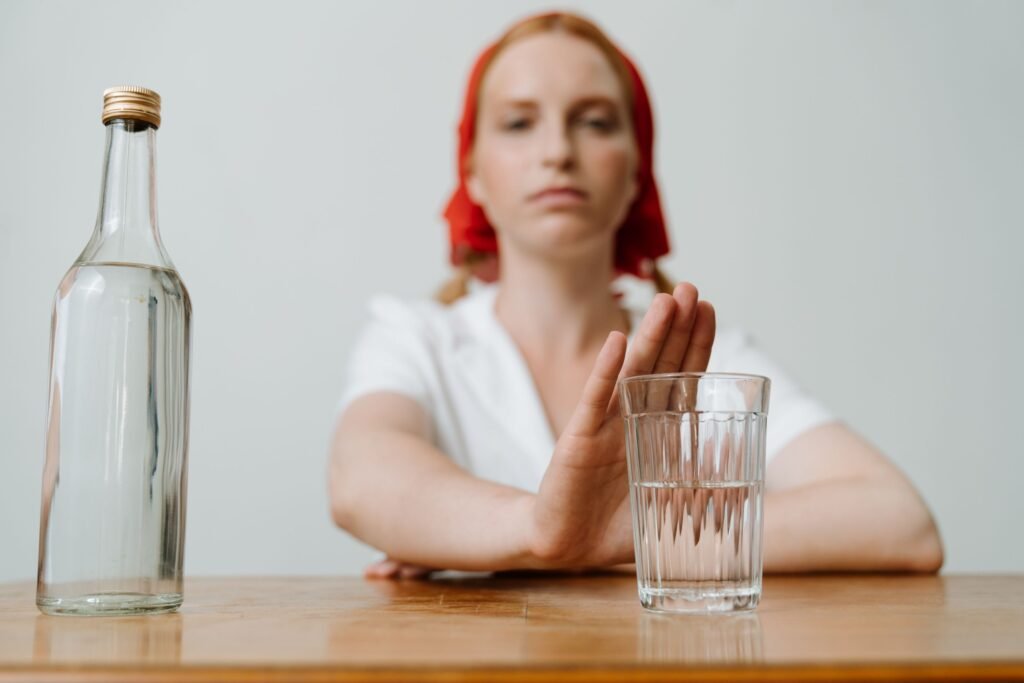
In her WBEZ essay,My first year sober: Why I did it and what I’ve learned, journalist Courtney Kueppers describes deciding to stop drinking in spring 2021. While heading to a party, she found herself calculating how to manage her drinking and realized she no longer wanted to organize social occasions that way.
Her story isn’t about a sudden physical change. It’s more about how she spent her time, what she wanted from life, and learning to be present. She also reached out privately to others who had gone through similar experiences before she spoke publicly about sobriety.
This is a summary of her published first-person story, not an interview we did for Recovery Rumble or a guess about anyone else’s first year. It shows how sobriety can mean rethinking your habits, not just what you drink.
A few questions to clarify your own goals
You don’t need a perfect recovery story to ask for help. Sometimes a short note is enough to make your needs clear:
- What do I mean by sober? Name the substance or behavior you are talking about.
- What is worrying me? Describe an actual situation rather than deciding whether you fit a stereotype.
- What would make this week more manageable? Consider practical needs such as transport, privacy, or a reliable contact.
- Who can help me understand my options? Write down a person, service or professional you can approach.
- What do I want others to know? Decide which details you want to share and which you prefer to keep private.
These prompts are meant to start conversations, not to diagnose anything. If a short phrase helps you organize your thoughts, you might also find our recovery quote collection helpful. Describing what you need in your own words matters more than picking the perfect quote.
Common questions about sobriety
Can I choose sobriety without having an addiction diagnosis?
Yes, the term can be used to describe abstinence from alcohol or intoxicants; it doesn’t in itself constitute a diagnosis. People will abstain for all sorts of reasons. If you’re at all concerned about your own use then a qualified professional can help you to understand the concern without you necessarily having to have a label attached.
Does being sober mean you’ve never had difficult feelings?
No. In the sense of substance, sobriety is not a guarantee of constant happiness or emotional equilibrium. You can take your feelings seriously and ask for help and that doesn’t in any way invalidate your sobriety.
Do prescribed medications automatically make you ‘not sober’?
No. SAMHSA’s recovery framework explicitly includes medication as one of the possible recovery supports. Taking medication as prescribed should not be automatically equated with intoxication or misuse. Questions about a particular medication and your own circumstances are the prescribing clinician’s.
Do I have to have sober days?
Counting days is one way to describe how long you have been abstinent, but it does not show the full picture of your health or recovery. This article does not suggest using a milestone system. You can talk with your support team about what measures are helpful for you.
What if I’m not sure whether I want abstinence or some other goal?
If you are unsure about choosing abstinence or another goal, talk to a qualified professional. Let them know what you use, what worries you, and what changes you are thinking about. Comparing definitions can help you talk about your options, but it will not decide what is best for your health.
When and how to seek professional support
Think about asking for help if alcohol or other substances are causing you any problems, such as worry, affecting your daily life, or being hard to manage. You do not have to be in crisis or have the same situation as someone else to reach out.
A GP, qualified substance use counsellor or existing care team member can help you to discuss your situation and the range of support available. Be as open as you like about any practical barriers you may have (e.g. cost, availability, transport, confidentiality etc).
For readers in the United States: SAMHSA’s National Helpline, 1-800-662-HELP (4357), provides free, confidential treatment information and referrals around the clock in English and Spanish. The U.S. Department of Health and Human Services resource page confirms these details. It is a treatment-referral service, not emergency care. If someone is in immediate danger, contact local emergency services.
You can kick it off with a simple statement: “I’m thinking about changing my relationship with alcohol or drugs and I’d like some help in understanding my options.”
Sources
- Merriam-Webster: Sober — dictionary meanings concerning intoxication and abstinence.
- SAMHSA: Working Definition of Recovery, PEP12-RECDEF — original 2012 publication, accessed through a hosted copy in Ireland’s Drugs and Alcohol evidence repository; pages 3–5 cover the definition, dimensions and pathways.
- NIAAA: Recovery Research Definitions — distinguishes the alcohol use disorder recovery research framework from total abstinence.
- SAMHSA: Harm Reduction Framework, 2023 — original federal publication preserved by GovInfo; pages 4 and 7 explain its definition and relationship to care and abstinence.
- AA Grapevine: The Next Frontier—Emotional Sobriety — publisher’s author/date record; full text requires a subscription. AA Newtown’s reproduction was read for the limited discussion of emotional balance and relationships.
- Merriam-Webster: California Sober — slang meaning; not used as clinical guidance.
- Courtney Kueppers, WBEZ: My first year sober — first-person source for the brief biographical summary and informal discussion of sober curiosity.
- HHS Office of Population Affairs: Mental Health Resources to Support Adolescents — confirms the SAMHSA treatment-referral helpline details.

Hi, I’m Kristi Jenkins, a passionate blogger and content writer with a love for storytelling. With years of experience in writing engaging and insightful articles, I focus on topics like mental health, lifestyle, and personal growth. My goal is to create content that inspires, educates, and connects with readers on a deeper level.