Now Reading: What Is a Mocktail? Meaning, History, and How It Differs From a Cocktail
-
01
What Is a Mocktail? Meaning, History, and How It Differs From a Cocktail
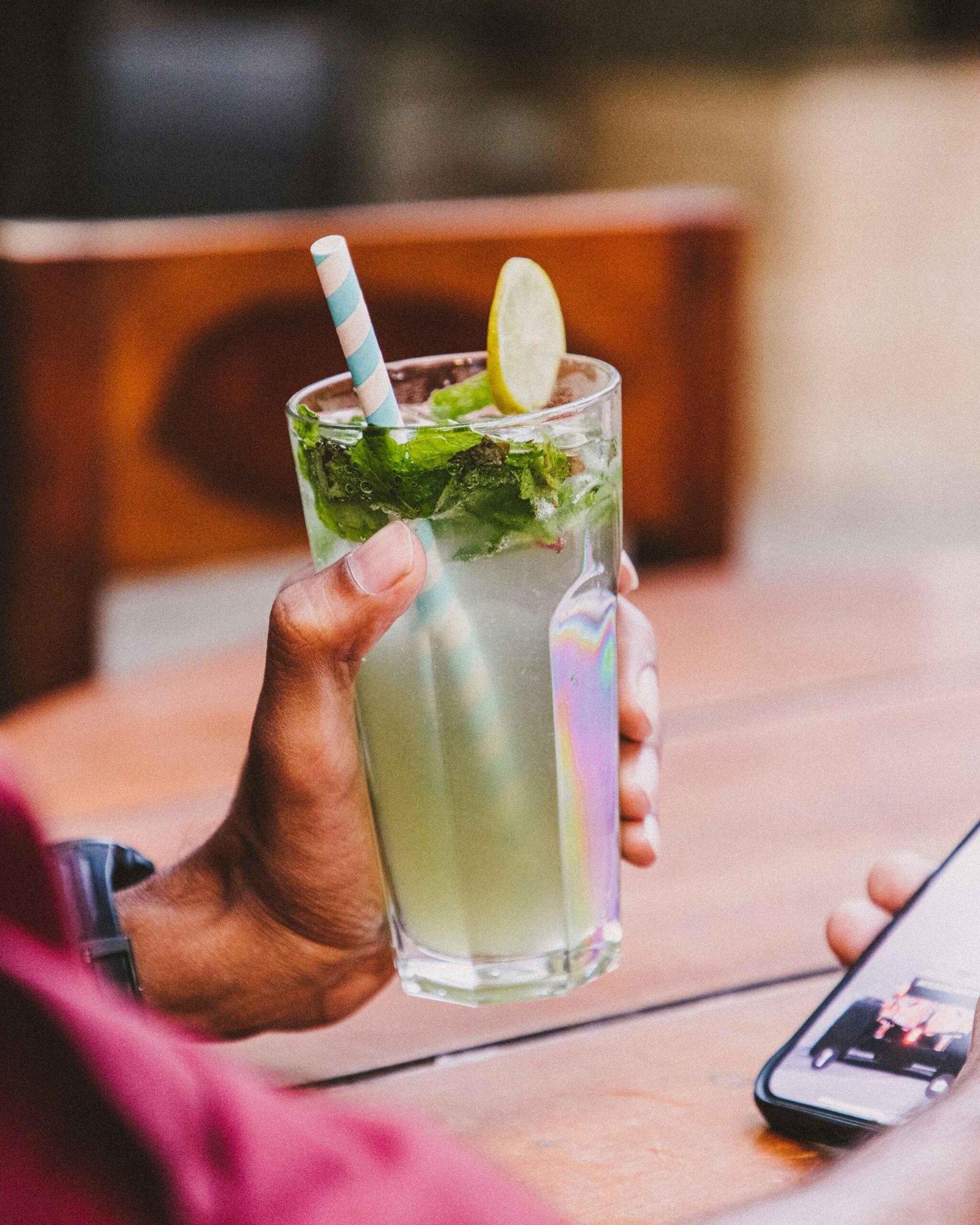
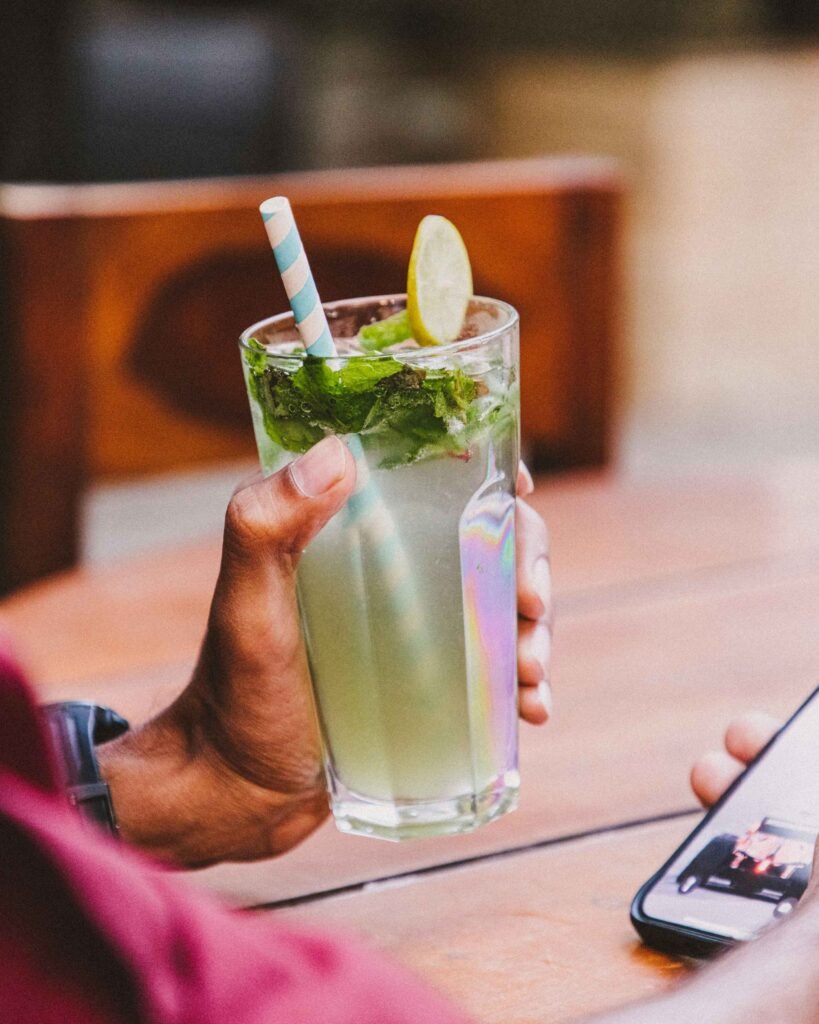
A mocktail is a mixed drink that’s basically a non-alcoholic cocktail, often made with juice, herbs, tea, or sparkling water. While the term usually means there’s no alcohol, the name alone doesn’t guarantee it. Always check the ingredients to be sure.
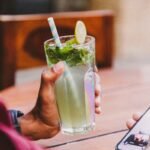
Drinks like a mint and lime cooler, a berry spritzer, or a chilled tea can all be mocktails. They don’t need to copy a specific cocktail or use pricey spirit substitutes. What matters most is whether the drink suits your taste.
What does “mocktail” mean?
Merriam-Webster defines a mocktail as a usually iced drink made with juice, herbs, soda water, and no alcohol. In everyday language, “mocktail” and “non-alcoholic cocktail” mean the same thing.
Menus might call a drink a ‘virgin cocktail’ or a ‘zero proof cocktail.’ If you want to avoid alcohol, ask about these terms. The ingredients will tell you more than the name alone.
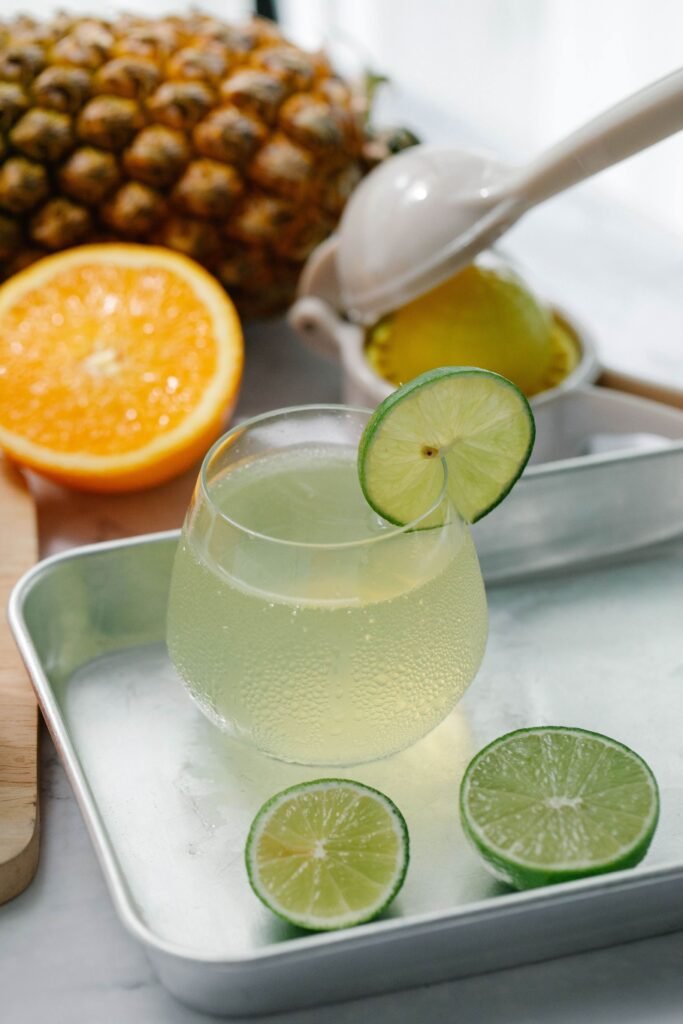
For example, cucumber, lime, a bit of sweetener, and sparkling water make a simple drink. Using a bottled botanical mixer is different. In both cases, you won’t know the exact alcohol content unless you check the ingredients and product details.
Our easy mocktail recipes give you measured recipes if you’re after going from the definition to actually making a drink.
How is a mocktail any different from a cocktail?
Today, a cocktail usually means a drink with alcohol. A mocktail gives you the cocktail experience without the alcohol. Both can have ice, citrus, sweeteners, herbs, and garnishes, and both can be simple or complex.
Taking the alcohol out of a cocktail doesn’t always make a balanced drink. If a recipe relies on a lot of gin or tequila, you might need more than just extra juice to make up for it. Instead, you can start with a mix that stands on its own, like chilled tea as a base, some citrus for sharpness, a bit of sweetener, and water or soda to adjust the flavor.
Presentation is up to you. A regular tumbler works just as well as a stemmed glass, as long as it’s comfortable to use. Choose a garnish you enjoy, but don’t let it make serving the drink harder.
What’s the history of mocktails?
Non-alcoholic mixed drinks existed before the word “mocktail” became familiar. A specific historical example appears in Jerry Thomas’s 1887 Bar-Tender’s Guide: its “Temperance Drinks” section, printed page 106, includes milk with seltzer, a ginger-ale-and-lemon cooler, and plain lemonade. Those entries show non-alcoholic preparations appearing in a bartender’s manual alongside alcoholic drinks.
Merriam-Webster dates its first known use of ‘mocktail’ to 1916. That’s a record of the date the word first appeared, not evidence that that’s when the first non-alcoholic mixed drink was invented.
This sidesteps the usual issues with origin stories. Sometimes, a drink gets its name long after people have already been making it. The sources show that mixed non-alcoholic drinks have a long history, but they don’t point to a single inventor of the mocktail.
Mocktail vs non-alcoholic cocktail vs non-alcoholic beer and wine
The first two terms overlap, but beer and wine are different products. They have their own alcohol content labels, so you’ll need to check those separately.
ABV stands for alcohol by volume. The comparison below follows U.S. labeling rules, but these don’t apply everywhere or to every menu.
| Drink or label | What it describes | What it tells you about alcohol | What to check |
| Cocktail | A mixed drink normally containing an alcoholic ingredient | No single percentage; it depends on the recipe | Ingredients and serving size |
| Mocktail | A mixed drink intended as a non-alcoholic option | The name alone supplies no measured ABV | Every mixer, flavoring and substitute used |
| Non-alcoholic cocktail | Usually another name for a mocktail, including packaged versions | Check the specific product or recipe | Alcohol declaration and ingredient details |
| Non-alcoholic beer that qualifies as a malt beverage under TTB rules | A malt beverage sold with a non-alcoholic label | Less than 0.5% alcohol by volume; not necessarily none | The adjacent alcohol-content statement |
| Alcohol-free malt beverage | A malt beverage with this specific U.S. label claim | TTB permits the claim only when it contains no alcohol | The exact label, not just a shelf sign |
| Dealcoholized wine | Wine from which alcohol has been removed | FDA guidance calls for a declaration of less than 0.5% alcohol by volume | Product identity and alcohol statement |
For certain malt beverages, the TTB separates non-alcoholic from alcohol-free. The difference matters: less than 0.5% is not the same as 0.5%, and neither means there’s absolutely no alcohol.
Wine requires a separate source. FDA’s dealcoholised wine guidance makes a distinction between’ non-alcoholic’ and’ alcohol free’ with the latter being for zero alcohol. TTB’s 2026 overview of low and no alcohol products confirms that FDA labeling rules do indeed apply to wine at below 7% ABV, in addition to the relevant TTB rules. The malt beverage language should not just be slotted over to every wine or mixed drink.
When choosing a drink, it’s easier to just check the label or ask the bartender what’s in it. Labels like “NA,” fruit pictures, or zero proof menu items don’t always give you the full answer.
You can download our one-page menu and label guide for a quick comparison and helpful questions to ask before you order.
Can a mocktail contain alcohol?
A mocktail is meant to be non-alcoholic, but it’s still important to check the ingredients. The FDA points out that flavor extracts and natural fermentation can leave trace amounts of alcohol in drinks that are otherwise non-alcoholic. Some bottled ingredients labeled as non-alcoholic may also list an alcohol content, which could matter to you.
Ask about bitters, extracts, fermented mixers, and any beer, wine, or spirit alternatives in the recipe. Don’t assume a small amount of alcohol is okay for everyone. If the staff can’t confirm what’s in an ingredient, choose a drink where you know all the ingredients.
You don’t need to explain why you’re asking. Just say you want the ingredients checked, and that’s enough.
Is a mocktail just juice or just soda?
A mocktail can use juice or soda, but it doesn’t have to be a big glass of sweet juice. Consider what each ingredient adds to the drink:
- Base: chilled tea, juice or another verified mixer to provide the main flavor.
- Sharpness: lemon or lime to cut through the sweetness.
- Sweetness: fruit, syrup or a sweetened mixer may well be sufficient.
- Dilution and bubbles: water, melting ice or sparkling water will all affect how concentrated it tastes.
- Aroma: a little bit of mint, basil or citrus rind will add another note.
These are just ideas for building a drink, not a list of required ingredients for every mocktail. A still drink can be a mocktail too—carbonation isn’t necessary.
Orange juice and sparkling water as a base gives you a very fruit forward drink. A touch of lemon will make it sharper. A bit of syrup added before you taste it could easily make it too sweet. Start with a measured recipe and then tweak one thing at a time so you know what made the difference.
Are mocktails always going to be sweet or healthy?
No “mocktail” is a drink that is low in sugar, low in calories or suitable for a particular health need. A mocktail is just a drink that doesn’t contain alcohol. The sugar content, calories and suitability for a health need will depend on what you put in it and how much you serve. Juice, syrups, sweetened soda etc will all have an effect.
For packaged ingredients, check the serving size, total sugars, and added sugars. The FDA’s Nutrition Facts label shows amounts per serving. If you pour twice the serving size, remember you’re getting double the listed amounts.
For less sweetness you could go for unsweetened sparkling water, a bit less juice or have the syrup on the side. If you have any dietary requirements then by all means ask about the ingredients. Don’t go treating a drink as a therapeutic product simply because it contains herbs or it’s described as being a ‘wellness’ drink.
How do you order a mocktail in a bar or restaurant?
Tell the bartender what flavors you like and if you have any ingredient requirements. For example, you might ask for something citrusy and sweet, and request that they check the alcohol content of any bottled mixers. This is just a suggestion, not a direct quote from anyone interviewed.
Three useful questions are:
- What’s the base of that drink?
- Does it use bitters, extracts or beer/wine/spirit alternatives?
- Can you confirm the alcohol content on those ingredients?
If you just want soda with lime, tea or water then that’s perfectly fine. You don’t have to opt for a cocktail style drink in order to be part of the meal or the occasion.
When you’re hosting make the same information as easy for guests to find. Have the ingredient labels, know who’s got the shared pitchers and ask before you pour someone a drink. Our Thanksgiving punches and mocktails all have batch recipes and the Christmas mocktail range has both individual servings and warm drinks.
Do you need a non-alcoholic spirit to make a mocktail?
No, you can absolutely make a cocktail from common ingredients without having to go out and buy a specialist bottle. If you’re after a botanical or spirit type alternative then you’d obviously want to check the flavor, the ABV, the ingredients and the way it’s to be mixed before you make a decision as to whether you like it or not.
A product which looks like an alcoholic drink is an option rather than an obligation. For someone in recovery we can’t possibly say which drink is right for them. Follow your own support / care guidance where appropriate and go with a normal drink if that’s what you prefer.
The most useful mocktail definition gets you started. The recipe, the label and the answers to your questions all tell you what you’re actually getting.
Sources
- Merriam-Webster: mocktail. Definition and first known use in 1916; this is not a claimed invention date.
- Jerry Thomas, The Bar-Tender’s Guide, 1887, printed page 106. Primary historical text, hosted with a page scan and transcription on Wikisource. Temperance-drink examples; no historical recipe is reproduced here.
- TTB: Malt Beverage Labeling—Alcohol Content. U.S. non-alcoholic and alcohol-free malt-beverage claims.
- FDA: CPG Sec. 510.400, Dealcoholized Wine and Malt Beverages—Labeling. Dealcoholized-wine guidance, alcohol-free distinction and trace alcohol in some beverages.
- TTB: 2026 low- and no-alcohol product overview. Product-specific labeling jurisdiction, particularly wines below 7% alcohol by volume.
- FDA: How to Understand and Use the Nutrition Facts Label. Serving sizes and nutrient amounts.
Hi, I’m Kristi Jenkins, a passionate blogger and content writer with a love for storytelling. With years of experience in writing engaging and insightful articles, I focus on topics like mental health, lifestyle, and personal growth. My goal is to create content that inspires, educates, and connects with readers on a deeper level.