Now Reading: 25 Sobriety Gifts for Milestones, Anniversaries and the Holidays
-
01
25 Sobriety Gifts for Milestones, Anniversaries and the Holidays
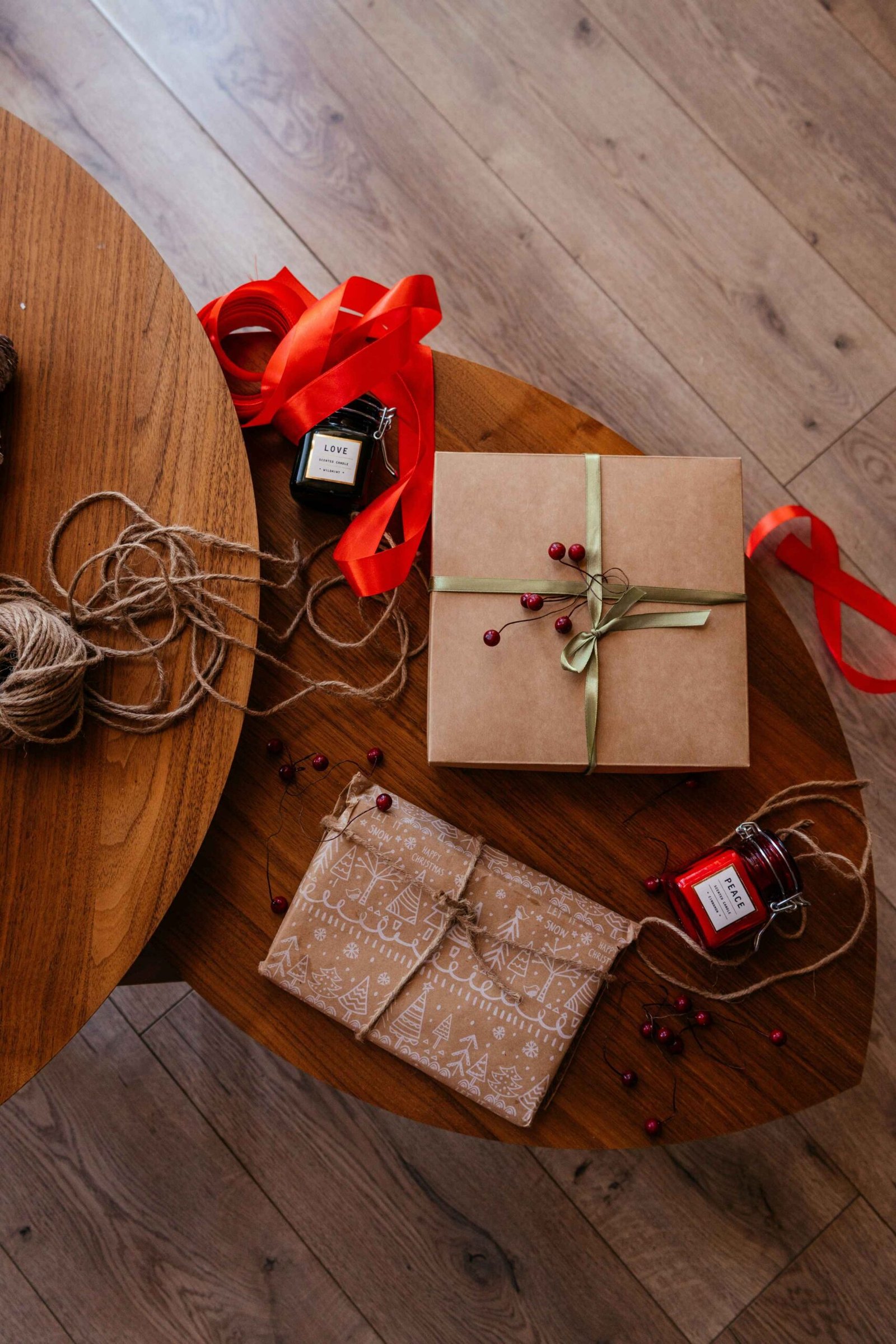
The best sober gifts are things the person truly enjoys, like a favorite meal, something for their hobby, a personal keepsake, or simply spending time together. For a milestone or holiday, first find out if they want their sobriety recognized, then choose something meaningful that fits your budget.
A date on a bracelet might mean a lot to one person, but to someone else, it could feel meaningless. Some people would rather get a gardening book and never talk about their sober time with family. It’s more important to focus on the person you’re buying for than on making the gift about recovery.
The ideas below come from published gift preferences shared by sober writers, along with some editorial suggestions. We haven’t done new interviews or tested these products ourselves. The named examples use information from sellers, but most of these ideas can be found locally too.
What do people who don’t drink actually want as gifts?
In Sober.com’s published collection,What We Actually Want When People Gift Booze, writer Tawny Lara included a “gift card to do my fav hobby” in her answer. Dee Rambeau, who described nearly sixty years of combined sobriety with his partner, said he likes giving friends “gift certificates to good restaurants.”
Those preferences helped shape the hobby and dining suggestions here. These are responses published by Sober.com, not endorsements of this guide or direct recommendations to Recovery Rumble. Lara also shares her recovery story in a separate published Q&A.
The main thing is to choose something the person would enjoy. If they tell you what they want, go with that, even if it doesn’t seem especially symbolic to you.
How much should you spend on a sobriety gift?
Spend as you would for any other personal occasion. The number of sober years shouldn’t affect the price. Sometimes, a thoughtful note is enough on its own.
This guide separates suggested planning budgets from actual seller prices or gift card values. The planning ranges are just targets, not market prices or guarantees that every option will fit within them. All amounts are in U.S. dollars, and remember to add tax, delivery, transport, and any companion ticket costs.
| Option | Budget or verified amount | Best suited to | Check before choosing |
| Handwritten letter | Plan $0–$10 using supplies you have | A personal, private acknowledgment | Whether to mention the milestone |
| Printed photo and simple frame | Plan $10–$25 | A shared memory | Which photo the person likes |
| Notebook and pen | Plan $10–$30 | Someone who enjoys writing | Paper format and existing supplies |
| Bookshop.org digital gift card | Verified $25 face-value option | A reader who shops online | It is not redeemable in physical bookstores or for ebooks |
| LEGO Mini Orchid, set 10343 | Verified U.S. product price: $29.99 | An adult who enjoys building | Delivery cost, stock and display space |
| Hobby-store gift card | Plan $25–$50 | Someone with an established interest | Store access and redemption restrictions |
| Local class | Set a target of $40–$100, then request a quote | Someone who has expressed interest | Full cost, dates and cancellation policy |
| Walk and homemade picnic | Plan $0–$20 using what you have | Someone who would enjoy time together | Route, weather and food preferences |
The Bookshop.org gift card page and the LEGO product page were both checked on 16th November 2026. Prices, availability and terms are all subject to change. The face value of a digital gift card is not a guarantee that it will be sufficient to cover a particular purchase.
You can download the printable gift planner to compare two or three options before making your choice.
What are good personal keepsakes as sobriety gifts?
1. A handwritten letter
Write about something specific you appreciate, like their sense of humor, a fun afternoon you shared, or something thoughtful they did. If they’re comfortable with you mentioning the date, include it, but avoid bringing up any painful memories. A few honest sentences are enough; you don’t need to promise that everything will be easy in the future.
2. A printed photograph in a simple frame
Pick a photo they already like, maybe from a walk, a family meal, or a trip. Ask before using one from a private occasion. Keep the caption neutral unless they want a date or sobriety message. Leave space for new memories instead of focusing on before-and-after comparisons.
3. A bookmark with a short message
A bookmark makes a thoughtful, small gift. You can use a line they’ve chosen or something you’ve written. If you want to use a quote from a published work, our recovery quotes collection lists the writers and sources. Be sure to include the attribution with the words.
4. A keyring with an agreed date or initial
Check the exact date and ask if the recipient wants it to be visible. Sometimes an initial, place name, or small design that matches their interests is better than recovery wording. Always review the maker’s character limits, delivery times, and return policy before ordering any personalized item.
5. A holder for a medallion they already value
If they keep milestone medallions, a small pouch, stand, or fitted holder can be helpful. It’s best to measure the item instead of guessing its size. Ask if they want something portable or for display at home, and let them choose which medallions, if any, to show visitors.
6. Jewelry chosen with their input
A bracelet, pendant, or ring can mark an anniversary without making it obvious to others. Begin with the person’s usual style and check for any metal sensitivities. Decide on the engraving together before buying. Even a simple piece of jewelry can have private meaning and doesn’t need a slogan.
What are some useful gifts for the simple pleasures of everyday life?
7. A notebook and a pen they will use
Ask if they prefer pocket notebooks, a desk journal, lined pages, or blank paper. For a small option, Field Notes Original Kraft offers three-packs of 48-page memo books (3.5″ x 5.5″). It’s just a stationery item, not a recovery tool they have to use in a certain way. Leave the pages blank.
8. A book they want, or a bookstore gift card
Pick a book based on their interests, like fiction, birdwatching, cooking, photography, or a favorite author. Only give a recovery memoir if they want to read one. A local store’s gift card is good for someone who likes to browse in person, while the Bookshop.org option is for online shopping. Include a gift receipt if you can.
9. A reading light
If they read in bed or while traveling, look for a reading light that suits their needs. Check how it attaches, whether it needs batteries or a charging cable, and if the controls are easy to use. It’s a gift for reading, not for sleep or mental health.
10. Their preferred coffee or tea
Buy the roast, tea type, or decaf they already enjoy instead of assuming everyone wants a sampler. Match the beans to the equipment they use, like whole beans, ground coffee, loose leaf, or bags. A small amount of a favorite is usually better than a big basket of unknowns.
11. A homemade loaf with the recipe
Bake something you know well and include an ingredient list, especially if you’re sharing with someone whose dietary needs you might not know. If the recipe has a family story, share that too. Make sure the food arrives when it can be enjoyed.
12. A small pantry basket
Choose two or three items that match how they actually cook, like a spice mix, favorite jam, or ingredients for a dish they’ve mentioned. Check labels and their food preferences, and avoid turning a simple gift into extra clutter. Useful consumables are best for someone who doesn’t want more household items.
13. A lunch or café voucher
Pick a place the person likes and can easily visit. Make sure the voucher covers a full meal and doesn’t expire. If the restaurant serves alcohol, check if that’s okay for them. Offer to join if they’d like, but let them choose to go alone or with someone else.
Which hobby and experience gifts are worth thinking about?
14. A class they have mentioned wanting to try
Pottery, photography, cooking, or language classes are good options if the person is interested. Check the schedule, availability, materials fees, and refund policy before booking. It’s better to give a voucher or let them pick a date than to surprise them with a set commitment.
15. Credit at their favorite hobby shop
This follows the hobby preference Lara shared: let the person choose the supplies. For an outdoor enthusiast who shops there, an REI gift card is one example. REI’s terms state that its cards do not expire or carry fees, but cannot be used for REI classes. Check the particular use before buying.
16. A building kit for an adult who enjoys making things
The LEGO Mini Orchid is a good example of a building kit. When I checked, the U.S. seller listed set 10343 (274 pieces) at $29.99. It’s a nice choice for someone who enjoys building and has space for it. Other themes might suit them better. Avoid calling a hobby kit a treatment or a requirement for sobriety.
17. A puzzle or game for their kind of evening
Choose a game or puzzle that fits the recipient’s preferences for challenge, print size, and number of players. A two-player game might be better than a party game, and a smaller puzzle is often easier to manage than a large one. You can offer to play with them, but don’t make the gift depend on you hosting.
18. Supplies for an existing creative hobby
Replace a favorite sketchbook, buy the yarn they’ve chosen, or contribute to a model-making project. Ask for the exact type or a short wish list. People with experience often have specific preferences, so a gift receipt is more helpful than a big beginner’s set they might not use.
19. A walk and picnic you organize
Suggest a route, a date, and a backup plan for the weather, then let them decide what works best. Consider things like distance, seating, transport, and toilets. Bring food they enjoy and keep plans flexible. Staying close to home is perfectly fine. The main thing is spending time together—it doesn’t have to be a tough hike or cost a lot.
20. Museum, garden or exhibition tickets
Begin with something they’ve shown interest in and see how long the exhibition runs. If your invitation includes a companion ticket, mention it. Also, check the access details. A flexible booking they can change is often better than a discount for a fixed date.
21. A matinee, concert or comedy ticket
Check with them about the performer, the venue, and the timing before you buy tickets. Make sure the environment is one they’d enjoy, especially if there’s a drinking culture. Try to make getting there and leaving simple. If they prefer, consider a daytime show instead.
22. A specific offer of practical help
Offer to do something they really want, like giving a lift, helping assemble shelves, or spending an afternoon working together. Agree on what you’ll do and when. Avoid open-ended offers or taking over personal tasks without their clear permission. Offer your help simply because you want to, without expecting them to share details about their recovery.
What works for a quiet anniversary or the holidays?
23. A comfortable blanket or useful home item
Pick something that fits their space, uses materials they like, and has care instructions they can handle. A washable throw is often a better choice than one that needs special cleaning. If you’re not sure about colors or space, just ask. Simple home gifts don’t need any recovery explanation.
24. A plant for someone who wants one
See if they’re interested, what the light is like, and if they’re willing to care for a plant. If they have pets or young kids, check with an expert about the plant species before buying. If that much research isn’t right for the situation, a plant-themed print or building kit is a good alternative.
25. A holiday drink basket, if they welcome it
Find out what they really like to drink. Tea, coffee, sparkling water, or ingredients for a fruit drink might be good choices; alcohol isn’t always the best option. Check labels to match their preferences and needs. Our Christmas mocktail recipes can give you ideas for festive drinks without alcohol.
What are good sobriety gifts for men?
Ask the same questions about taste, privacy, and budget. Someone who enjoys drawing might want art supplies instead of an engraved keyring, while a live music fan might prefer a concert ticket over a mug.
For a quieter gift, consider a notebook, a hobby store gift card, or sharing a meal. If you’re thinking about a recovery keepsake, ask if he wants one and what wording he’d like. Gender alone doesn’t tell you if someone prefers sentimental gifts, public recognition, or practical help.
Which gift fits 30 days, one year, or a later anniversary?
For the 30th day, a card or a small invitation might be enough if that’s what they want. For the 365th day, ask if they’d rather have a shared experience or a keepsake. For later anniversaries, pay attention to what they like now instead of repeating the same theme.
These are just ideas for choosing, not strict rules for each milestone. Always confirm the date before engraving anything, and ask before planning any event. How someone wants to celebrate can change from year to year.
What should you put in the card?
Make your message accurate and personal. You might mention the date, say something kind, and suggest a way to spend time together. Don’t say they’re cured, don’t promise life will be easy, and don’t focus on your own worries.
Our sobriety quotes and milestone messages are clearly marked as quotes from others, not original wording. Choose a line that fits your relationship and leave out anything you wouldn’t want someone else to read.
What should you *definitely* not buy without asking?
Be cautious with visible recovery labels, engraved dates, spiritual symbols, alcohol-themed drinks, subscriptions, and fixed-date bookings. These can be great if you ask first, but they’re easy to get wrong if you don’t know the person’s preferences.
Don’t make your gift depend on a certain day count, a disclosure, or a promise about the future. If the recipient wants that, give the gift privately and ask separately about sharing photos or making public congratulations.
Giving a gift is different from offering help. If you’re concerned about someone’s substance use or wellbeing, talk to them and help them find the right support instead of trying to fix things with a gift.
U.S. treatment information and referrals: SAMHSA’s National Helpline, 1-800-662-HELP (4357), provides free, confidential, 24/7 treatment-referral and information services in English and Spanish. The U.S. Department of Health and Human Services confirms these details. It is not an emergency service. In immediate danger, contact local emergency services; outside the U.S., use an appropriate local resource.
Before you order, ask yourself if the person would truly enjoy getting this gift, at this time, and in the way you plan to give it. That’s a good moment to pause and reconsider your choice.
Sources and shopping checks
- Sober.com: What We Actually Want When People Gift Booze, updated January 20, 2026. Published preferences from Tawny Lara and Dee Rambeau; not interviews conducted for this article.
- Sober.com: Q&A with Tawny Lara. Lara’s own discussion of recovery and individual responses to alcohol-inspired alternatives.
- Bookshop.org gift cards. $25 denomination and redemption restrictions.
- LEGO Mini Orchid 10343, U.S. store. $29.99 product price and 274-piece specification. Verify stock and final checkout cost.
- Field Notes Original Kraft. Three-pack format, dimensions and page count; no seller price quoted in this article.
- REI gift-card terms. No expiration or fees; class-purchase restriction.
- HHS Office of Population Affairs: Mental Health Resources. SAMHSA helpline details.

Hi, I’m Kristi Jenkins, a passionate blogger and content writer with a love for storytelling. With years of experience in writing engaging and insightful articles, I focus on topics like mental health, lifestyle, and personal growth. My goal is to create content that inspires, educates, and connects with readers on a deeper level.