Now Reading: Watermelon During Pregnancy: Benefits, Safety & Tips
-
01
Watermelon During Pregnancy: Benefits, Safety & Tips
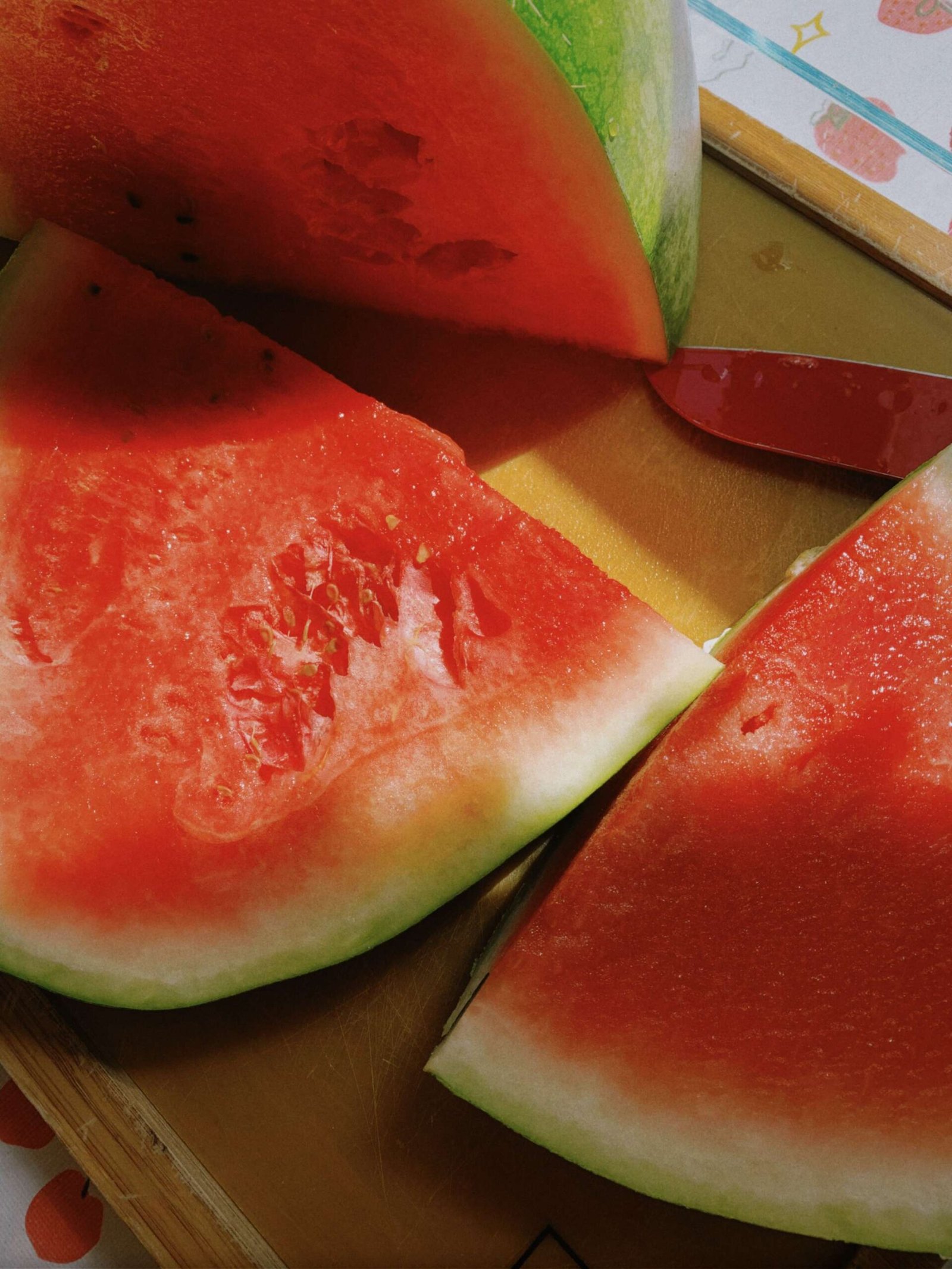
Pregnancy often changes your appetite, and many women crave fresh, juicy fruits. One popular choice is watermelon because it is naturally sweet, refreshing, and packed with water. If you’re wondering whether watermelon during pregnancy is safe, the good news is that it is generally considered a healthy choice for most pregnant women when eaten in moderation and handled safely.
Many healthcare professionals recommend including a variety of fruits in a balanced pregnancy diet, and watermelon during pregnancy can be one of them. It provides hydration, vitamins, antioxidants, and natural sweetness without added sugars. While watermelon offers several benefits, it’s also important to understand portion sizes, food safety, and situations where extra caution may be needed. This guide explains everything you need to know about watermelon during pregnancy, including benefits, risks, and practical tips.
Is Watermelon Safe During Pregnancy?
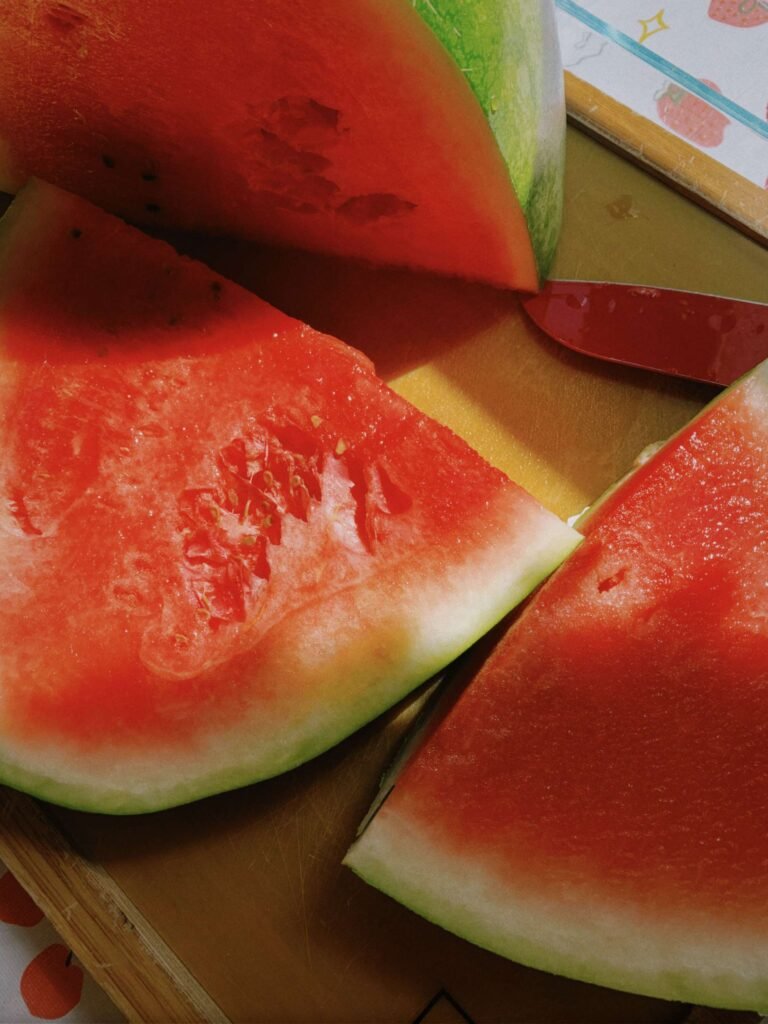
Yes, watermelon during pregnancy is generally safe for most healthy pregnant women. Watermelon is rich in water, vitamins, and antioxidants that support overall health during pregnancy. However, as with all fresh produce, it should be washed thoroughly before cutting to reduce the risk of foodborne illness.
The American College of Obstetricians and Gynecologists (ACOG) emphasizes that staying well hydrated during pregnancy supports healthy body functions, helps maintain amniotic fluid levels, and contributes to overall maternal well-being (https://www.acog.org).
If you have gestational diabetes, kidney disease, or another medical condition requiring dietary changes, ask your obstetrician or dietitian whether watermelon during pregnancy fits your individual meal plan.
Nutritional Value of Watermelon
One reason many women enjoy watermelon during pregnancy is its impressive nutritional profile.
| Nutrient | Benefit During Pregnancy |
| Water | Supports hydration |
| Vitamin C | Supports immune function and collagen production |
| Vitamin A | Supports baby’s growth and vision development |
| Lycopene | Provides antioxidant protection |
| Potassium | Supports muscle and nerve function |
| Fiber | Helps support healthy digestion |
According to the U.S. Department of Agriculture (USDA FoodData Central), watermelon is naturally low in calories while providing important vitamins and minerals (https://fdc.nal.usda.gov).
8 Benefits of Watermelon During Pregnancy
1. Helps You Stay Hydrated
One of the biggest benefits of watermelon during pregnancy is its hydrating properties. Watermelon is about 90% water, making it an excellent fruit during warm weather or whenever you need extra fluids.
Proper hydration helps regulate body temperature, supports circulation, and replaces fluids lost through sweating or morning sickness.
2. May Help Ease Morning Sickness
Some women find watermelon easier to tolerate during pregnancy when nausea makes other foods unappealing. Its refreshing taste and high water content may help settle the stomach, especially during the first trimester.
Although watermelon cannot treat morning sickness, it can be a gentle snack for women who struggle with nausea.
3. Supports Healthy Digestion
Constipation is common during pregnancy because hormonal changes slow digestion. The combination of water and fiber in watermelon during pregnancy may help support regular bowel movements when eaten as part of a balanced diet.
Drinking enough fluids throughout the day also supports healthy digestion.
4. Provides Important Vitamins and Antioxidants
Another reason to enjoy watermelon during pregnancy is its vitamin content. Vitamin C supports the immune system and helps your body absorb iron from plant-based foods.
Watermelon also contains lycopene, an antioxidant that helps protect cells from oxidative stress. Antioxidants play an important role in overall health during pregnancy.
5. May Help Reduce Mild Swelling
Some pregnant women experience mild swelling in their feet and ankles. While watermelon during pregnancy is not a treatment for swelling, its high water content and potassium may help support normal fluid balance.
However, sudden or severe swelling should always be discussed with your healthcare provider, as it may indicate a more serious condition.
6. May Help Relieve Heartburn for Some Women
Heartburn becomes more common as pregnancy progresses. Some women report that watermelon during pregnancy feels soothing because it is cool, juicy, and easy to digest.
Keep in mind that everyone responds differently. If watermelon seems to worsen your symptoms, try smaller portions or avoid eating it close to bedtime.
7. Supports Overall Pregnancy Nutrition
Adding watermelon to your meals during pregnancy is an easy way to increase your fruit intake. It is naturally sweet, low in fat, and provides valuable nutrients without processed ingredients.
Pair watermelon with yogurt, cheese, or a handful of nuts to create a more balanced snack that includes protein.
8. May Help Satisfy Pregnancy Cravings
Cravings are common during pregnancy. Choosing watermelon during pregnancy instead of sugary desserts can satisfy your sweet tooth while providing hydration and nutrients.
Moderation remains important because watermelon still contains natural sugars.
How Much Watermelon Can You Eat During Pregnancy?
Most healthy pregnant women can safely enjoy watermelon during pregnancy as part of a balanced diet. A serving of about 1–2 cups of fresh watermelon is a reasonable portion for most people.
Rather than relying on one fruit every day, include a variety of fruits to obtain different vitamins, minerals, and antioxidants.
If you have gestational diabetes, your healthcare provider may recommend smaller portions and pairing watermelon with a source of protein to reduce blood sugar spikes.
Best Time to Eat Watermelon During Pregnancy
Many women enjoy watermelon during pregnancy at different times of the day.
Morning
Watermelon can be refreshing after waking up and may help some women experiencing morning sickness.
Afternoon
It makes a cooling afternoon snack, especially during hot weather when staying hydrated is important.
Evening
Eating watermelon in the evening during pregnancy is generally safe. However, because it contains plenty of water, some women may notice more nighttime bathroom trips.
Tips for Eating Watermelon Safely During Pregnancy
Food safety is especially important during pregnancy.
Follow these simple precautions:
- Wash the outside of the watermelon before cutting it.
- Use clean knives and cutting boards.
- Refrigerate cut watermelon promptly.
- Avoid eating watermelon that has been left at room temperature for long periods.
- Eat refrigerated watermelon within a few days.
The Centers for Disease Control and Prevention (CDC) recommends proper food handling during pregnancy to reduce the risk of foodborne illness (https://www.cdc.gov/food-safety/index.html).
Delicious Ways to Enjoy Watermelon During Pregnancy
There are many healthy ways to incorporate watermelon into your meals during pregnancy.
Try:
- Fresh watermelon slices
- Fruit salad
- Watermelon and Greek yogurt bowl
- Homemade smoothie
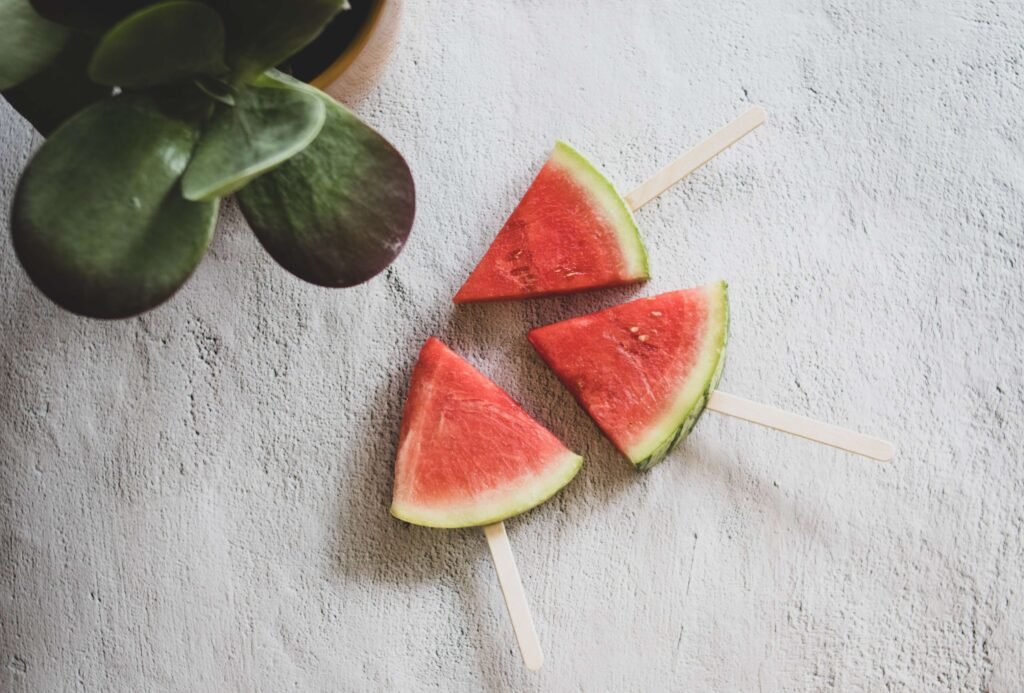
- Frozen watermelon cubes
- Fresh watermelon juice without added sugar
Whole watermelon is generally a better choice than juice because it contains more fiber, helping you feel fuller for longer.
Possible Side Effects of Eating Too Much Watermelon
Although watermelon during pregnancy is healthy, eating very large amounts may cause:
- Bloating
- Loose stools
- Increased natural sugar intake
- Frequent urination
Moderation helps you enjoy the benefits while reducing the chance of digestive discomfort.
Watermelon Seeds and Pregnancy: Are They Safe?
Many women wonder whether they should avoid seeds. Fortunately, watermelon seeds are generally safe to eat during pregnancy.
They contain small amounts of healthy fats, protein, magnesium, and iron. Accidentally swallowing a few seeds is not harmful.
Watermelon Juice vs. Whole Watermelon
| Whole Watermelon | Watermelon Juice |
| Higher fiber | Lower fiber |
| More filling | Easier to drink quickly |
| Better blood sugar control | May raise blood sugar faster |
| Better overall snack | Enjoy occasionally |
Whole fruit is usually the healthier choice.
Can Women with Gestational Diabetes Eat Watermelon?
Women with gestational diabetes may still be able to enjoy watermelon during pregnancy, but portion control becomes especially important.
Eating watermelon with protein-rich foods like yogurt or nuts may help slow digestion and reduce rapid fluctuations in blood sugar. Always follow your healthcare provider’s recommendations.
Common Myths About Watermelon During Pregnancy
Can Watermelon Cause Miscarriage?
No. There is no scientific evidence that eating watermelon during pregnancy causes miscarriage.
Does Watermelon Improve the Baby’s Skin or Complexion?
No. A baby’s skin tone is determined by genetics, not by eating watermelon or any other specific food.
Frequently Asked Questions
Is watermelon safe in all three trimesters?
Yes. Watermelon during pregnancy is generally safe throughout pregnancy unless your healthcare provider advises otherwise.
Can I eat watermelon every day during pregnancy?
Yes, moderate daily intake can be part of a balanced diet if you tolerate it well.
Can watermelon help with constipation?
Its water and fiber content may support healthy digestion, although it is not a treatment for constipation.
Is watermelon good before bedtime?
Yes, but some women may prefer eating it earlier in the evening to reduce nighttime urination.
Can watermelon reduce morning sickness?
Some women find its cool, refreshing texture easier to tolerate during nausea, although results vary.
Final Thoughts
Including watermelon in your diet during pregnancy is a simple and delicious way to stay hydrated while enjoying important nutrients like vitamin C, vitamin A, potassium, and lycopene. For most healthy pregnancies, watermelon during pregnancy is both safe and nutritious when eaten in moderation and handled properly.
Remember that no single food provides everything you and your growing baby need. Pair watermelon during pregnancy with a balanced diet that includes vegetables, whole grains, lean proteins, dairy or fortified alternatives, and other fruits. If you have gestational diabetes or other pregnancy-related health concerns, speak with your obstetrician or registered dietitian for personalized advice.
Recommended YouTube Video
Here’s a helpful video by Dr. Sylvia:
References
- American College of Obstetricians and Gynecologists (ACOG). Nutrition During Pregnancy. https://www.acog.org/
- Centers for Disease Control and Prevention (CDC). Food Safety During Pregnancy. https://www.cdc.gov/food-safety/index.html
- U.S. Department of Agriculture (USDA). FoodData Central – Watermelon Nutrition. https://fdc.nal.usda.gov/
- Academy of Nutrition and Dietetics. Healthy Eating During Pregnancy. https://www.eatright.org/
- World Health Organization (WHO). Healthy Diet Fact Sheet. https://www.who.int/news-room/fact-sheets/detail/healthy-diet

Hi, I’m Kristi Jenkins, a passionate blogger and content writer with a love for storytelling. With years of experience in writing engaging and insightful articles, I focus on topics like mental health, lifestyle, and personal growth. My goal is to create content that inspires, educates, and connects with readers on a deeper level.