Now Reading: Coriander Seeds Benefits and Side Effects Explained
-
01
Coriander Seeds Benefits and Side Effects Explained

Coriander seeds have been used for centuries in traditional medicine and everyday cooking. Their warm, citrus-like flavor makes them a popular spice, while their impressive nutritional profile has attracted growing scientific interest. Understanding the benefits and side effects of coriander seeds can help you decide whether to include them in your daily diet.
These small, round seeds come from the Coriandrum sativum plant and contain antioxidants, dietary fiber, essential oils, vitamins, and minerals. Research suggests they may support digestion, heart health, blood sugar management, and skin health. However, like any food or herbal remedy, coriander seeds may not be suitable for everyone.
According to USDA FoodData Central, coriander seeds provide dietary fiber, calcium, iron, magnesium, manganese, and beneficial plant compounds that support overall health. They also contain natural antioxidants and essential oils, including linalool, a major active compound.
In this guide, we’ll explore the most important coriander seed benefits and side effects, examine what current research says, and share practical ways to use coriander seeds safely.

What Are Coriander Seeds?
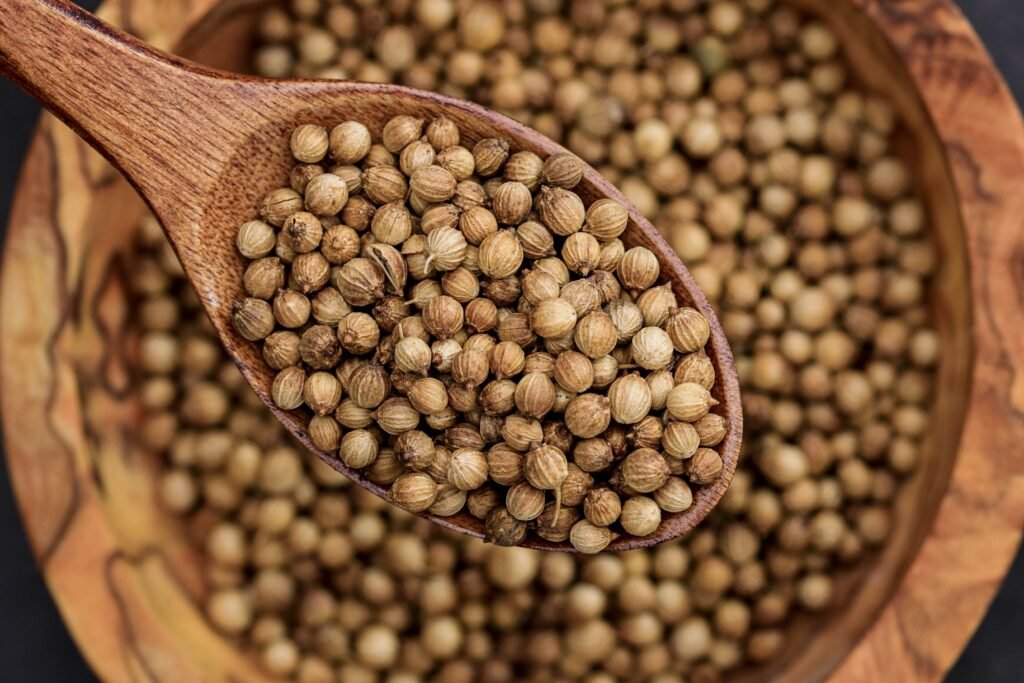
Coriander seeds are the dried fruits of the coriander plant, which belongs to the parsley family. While fresh coriander leaves are often called cilantro in many countries, the dried seeds have a completely different flavor and are commonly used as a spice.
For centuries, Ayurveda and traditional herbal medicine have used coriander seeds to support digestion, reduce bloating, and promote general wellness. Today, researchers continue to study the benefits and side effects of coriander seeds to better understand their potential health effects.
Nutritional Profile
One reason for the growing interest in the benefits and side effects of coriander seeds is their impressive nutrient content. Coriander seeds contain:
- Dietary fiber
- Iron
- Magnesium
- Calcium
- Manganese
- Potassium
- Antioxidants
- Polyphenols
- Essential oils such as linalool
These nutrients support many normal body functions and contribute to overall health.
Top 10 Coriander Seeds Benefits
1. Rich in Antioxidants
One of the most important discussions about coriander seed benefits and side effects begins with its antioxidant properties. Coriander seeds contain several antioxidant compounds that help protect cells from oxidative stress caused by free radicals.
A diet rich in antioxidants supports overall health and healthy aging.
2. May Support Healthy Blood Sugar Levels
Some laboratory and animal studies suggest coriander seeds may support healthy blood sugar regulation. However, human research is still limited, so coriander seeds should not replace prescribed diabetes treatment.
People with diabetes should speak with their healthcare provider before using coriander seeds as a supplement.
3. Supports Heart Health
Fiber, antioxidants, and plant compounds in coriander seeds may support cardiovascular health when consumed as part of a balanced diet.
Eating spices like coriander instead of excessive salt may also support heart-friendly eating habits.
4. Promotes Healthy Digestion
One of the best-known coriander seed benefits and side effects relates to digestion. Traditionally, coriander seeds have been used to relieve bloating, gas, and indigestion.
Many people enjoy coriander seed tea after meals to support comfortable digestion.
5. May Have Anti-Inflammatory Properties
Plant compounds in coriander seeds have demonstrated anti-inflammatory activity in laboratory studies.
Although more human research is needed, eating coriander as part of a healthy diet may contribute to overall wellness.
6. Supports Immune Function
Antioxidants and essential minerals help maintain normal immune function.
While coriander seeds are not an immune booster on their own, they contribute valuable nutrients that support overall health.
7. May Benefit Skin Health
Another valuable aspect of coriander seeds’ benefits and side effects is their potential support for healthy skin. Antioxidants help protect skin cells against oxidative damage, while minerals like zinc and iron support normal skin maintenance.
Healthy nutrition often reflects in healthier-looking skin.
8. Supports Healthy Weight Management
The dietary fiber found in coriander seeds promotes fullness after meals.
Including fiber-rich foods may help reduce unnecessary snacking when combined with a balanced diet.
9. Supports Bone Health
Coriander seeds contain calcium, magnesium, and manganese, minerals involved in maintaining healthy bones.
Although they should not be relied upon as a primary source of these nutrients, they contribute to your overall intake.
10. Easy to Add to Your Daily Diet
Perhaps one of the greatest coriander seed benefits and side effects is how easy coriander seeds are to include in meals.
You can add them to curries, soups, roasted vegetables, rice dishes, homemade spice blends, or herbal teas.
Coriander Seeds and Modern Research
Scientists continue studying coriander’s polyphenols, essential oils, and antioxidant activity.
Laboratory research suggests compounds such as linalool may contribute to antioxidant and anti-inflammatory effects. Some studies also explore coriander’s potential role in metabolic health, obesity, and diabetes.
However, many of these findings come from animal or laboratory research. More large human clinical trials are needed before firm health claims can be made.
Coriander Seeds Side Effects
Although most people tolerate coriander seeds well, understanding their benefits and side effects involves recognizing potential risks.
Allergic Reactions
Some individuals may experience allergic reactions to coriander or related plants.
Low Blood Sugar
Because coriander may influence blood sugar levels, people taking diabetes medication should monitor their blood sugar carefully.
Low Blood Pressure
Some preliminary research suggests coriander could mildly lower blood pressure. Individuals taking blood pressure medication should seek medical advice before consuming large amounts.
Digestive Discomfort
Eating excessive quantities may lead to bloating or stomach discomfort in sensitive individuals.
Pregnancy and Breastfeeding
Using coriander as a culinary spice is generally considered safe. However, concentrated herbal supplements should only be used under medical guidance during pregnancy or breastfeeding.
How Much Coriander Seed Is Safe?
There is no official recommended daily intake for coriander seeds.
Most people safely enjoy:
- ½–1 teaspoon of whole or ground coriander in cooking.
- One cup of coriander seed tea is made from crushed seeds.
- Moderate culinary amounts as part of a balanced diet.
Avoid excessive consumption unless advised by a healthcare professional.
Easy Ways to Add Coriander Seeds to Your Diet
Adding coriander seeds to your meals is simple.
Try these ideas:
- Brew coriander seed tea.
- Add ground coriander to curries.
- Sprinkle into soups.
- Season roasted vegetables.
- Mix into homemade spice blends.
- Add to rice and lentil dishes.
These simple habits help you enjoy the benefits and side effects of coriander seeds safely as part of everyday eating.
Frequently Asked Questions
What are the main health benefits of coriander seeds?
The primary benefits and side effects of coriander seeds include antioxidant support, digestive and heart health, and the provision of valuable nutrients.
Can coriander seeds help digestion?
Traditional herbal medicine has long used coriander seeds to support digestion and reduce bloating.
Are coriander seeds good for blood sugar?
Some early studies suggest potential benefits, but more human research is needed.
Can I drink coriander seed water every day?
Many healthy adults enjoy coriander seed tea in moderation. If you have a medical condition or take medication, consult your healthcare provider first.
What are the side effects of coriander seeds?
Possible side effects are allergies, stomach discomfort, and problems if you take medicine for blood sugar or blood pressure.
Final Thoughts
Knowing the benefits and side effects of coriander seeds helps you decide if you want to add this tasty spice to your diet. Coriander seeds are rich in antioxidants, fiber, minerals, and helpful plant compounds. They may support digestion, heart health, your immune system, and overall wellness.
Like other healthy foods, coriander seeds are most helpful as part of a balanced lifestyle, not as a cure. Use them often in your cooking, enjoy them in moderation, and talk to your doctor if you have health problems or take prescription medicine.
YouTube Resource
Here’s a helpful video by Dr. Marianne:
References
- USDA FoodData Central. Coriander Seed Nutrition Facts. https://fdc.nal.usda.gov
- National Center for Biotechnology Information (NCBI). Coriandrum sativum Polyphenols and Their Nutraceutical Value. https://www.ncbi.nlm.nih.gov/pmc/articles/PMC8156036/
- Harvard T.H. Chan School of Public Health – The Nutrition Source. https://www.hsph.harvard.edu/nutritionsource
- Cleveland Clinic. Healthy Eating Resources. https://health.clevelandclinic.org
- Mayo Clinic. Nutrition Basics. https://www.mayoclinic.org
- National Institutes of Health – Office of Dietary Supplements. https://ods.od.nih.gov

Hi, I’m Kristi Jenkins, a passionate blogger and content writer with a love for storytelling. With years of experience in writing engaging and insightful articles, I focus on topics like mental health, lifestyle, and personal growth. My goal is to create content that inspires, educates, and connects with readers on a deeper level.