Now Reading: Tai Chi and Meditation: A Powerful Mind-Body Practice
-
01
Tai Chi and Meditation: A Powerful Mind-Body Practice
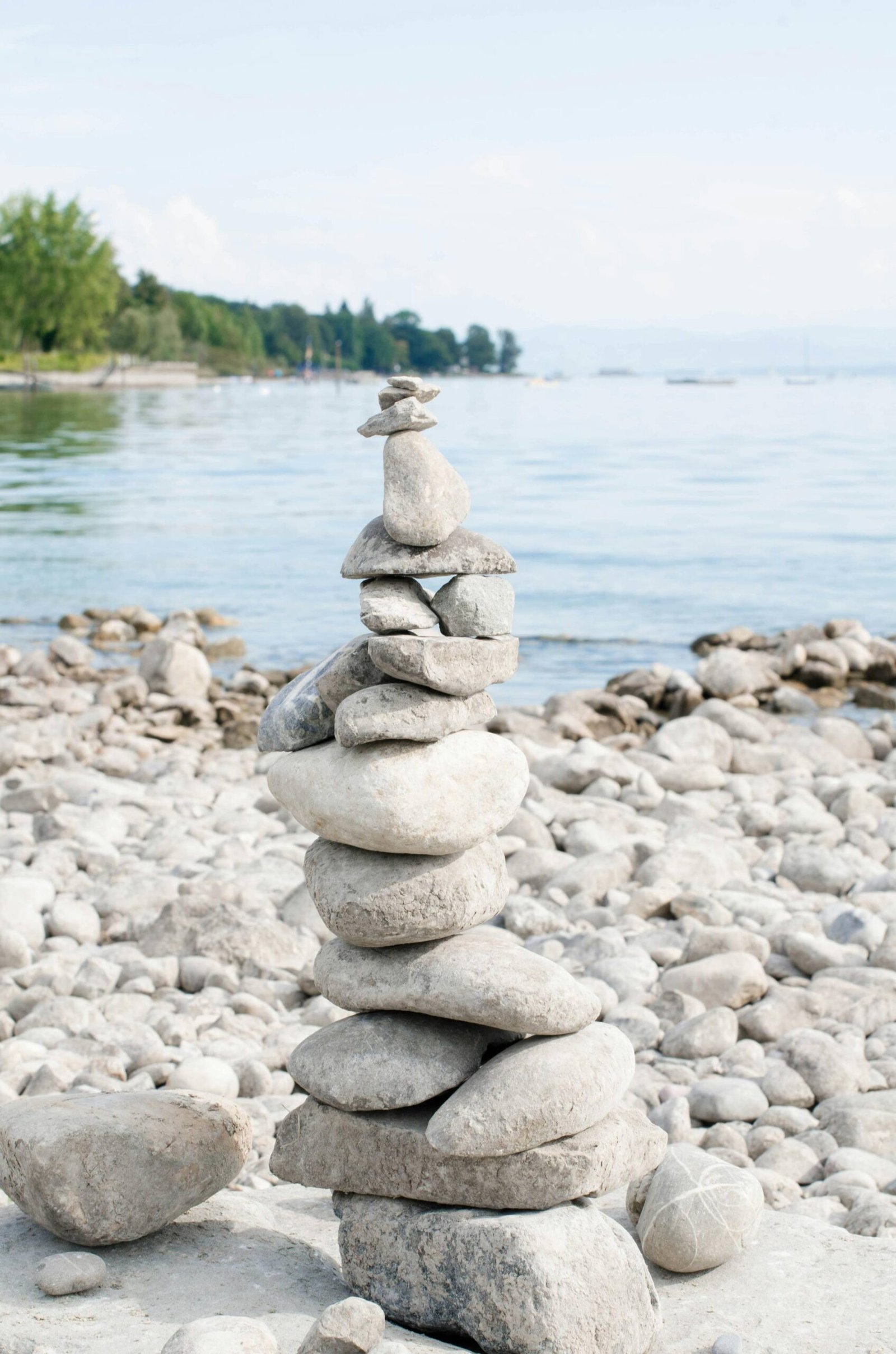
A lot of people picture meditation as sitting quietly with their eyes closed. That works for some, but others find it hard to stay still for a long time. Tai chi offers another option by letting people meditate through gentle movement and mindful breathing.
Tai chi started as a martial art in ancient China and slowly became a wellness practice. Today, millions use tai chi and meditation to lower stress, improve focus, and support their health. The slow movements help people become more mindful and aware of their bodies, creating a calming effect much like traditional meditation.
Stress is a major health concern worldwide. According to the American Psychological Association, about 77% of people regularly experience physical symptoms caused by stress. Mind-body practices like tai chi and meditation offer a natural way to manage stress and restore balance.
What Is Tai Chi?
Origins of Tai Chi
Tai chi started in China centuries ago as a martial art with smooth, controlled movements. Over time, people noticed these movements also helped with health and relaxation.
Today, people practice tai chi for wellness rather than self-defense. Many instructors describe tai chi and meditation as two connected practices because tai chi encourages mental calm while the body moves gently.
Each movement leads smoothly into the next, and breathing stays slow and steady. This rhythm helps the mind stay focused and relaxed.
Tai Chi as a Moving Meditation
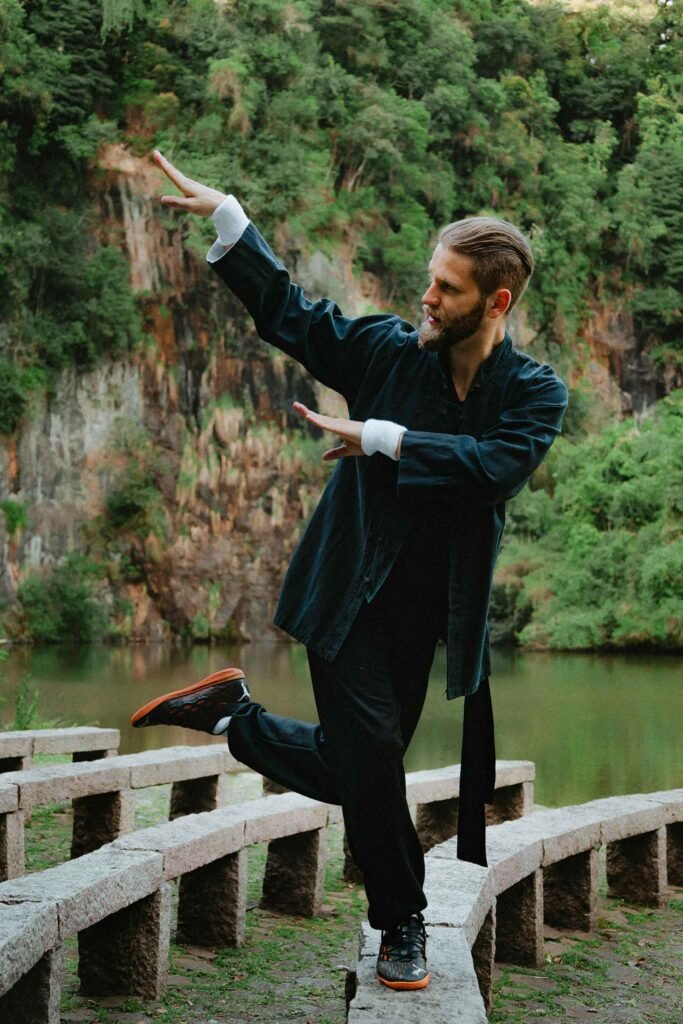
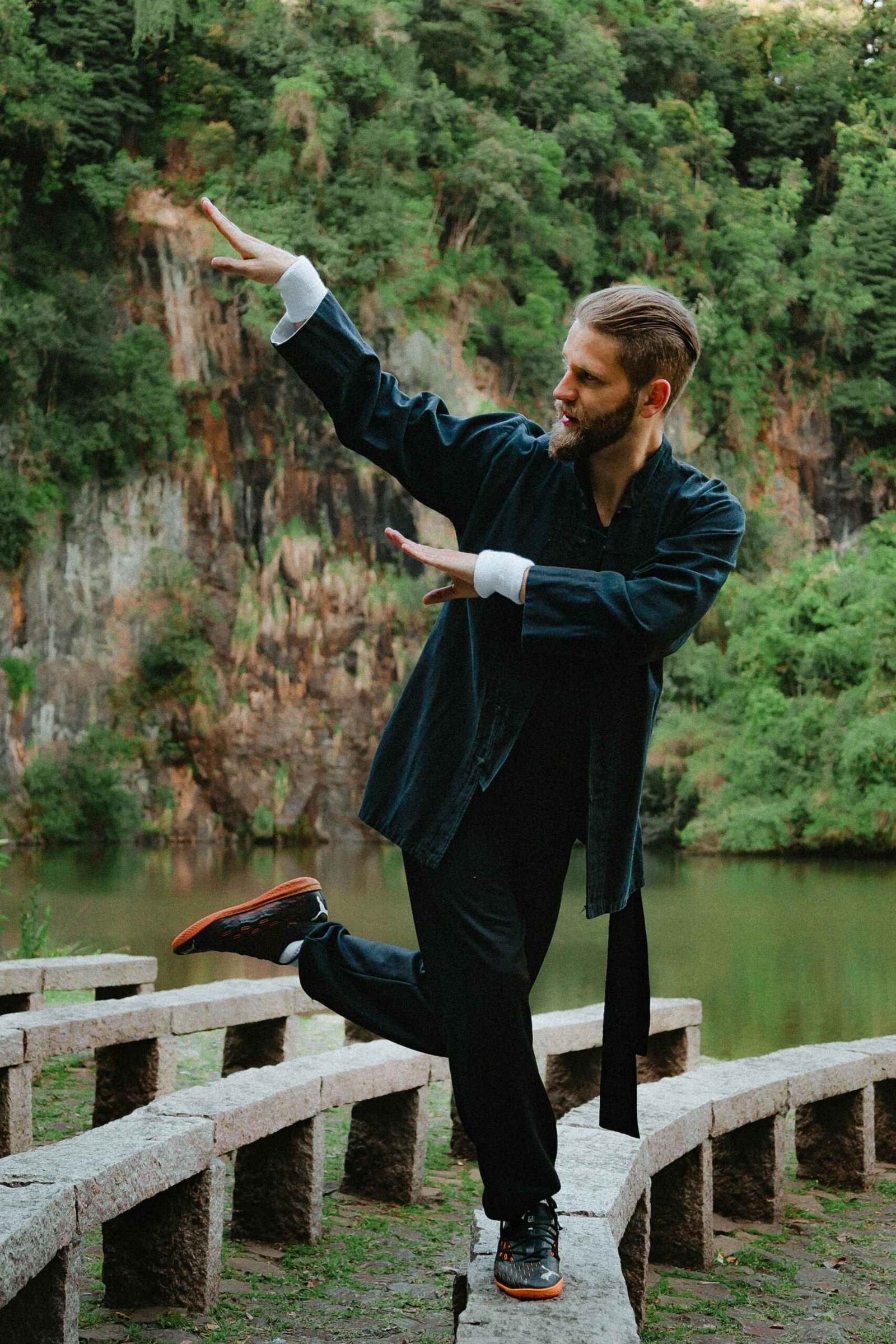
Many practitioners call tai chi “meditation in motion.” Instead of sitting still, the body moves slowly while the mind remains focused on breathing and posture.
When practicing tai chi and meditation, the goal is not speed or intensity. Instead, the focus is on awareness, balance, and smooth movement. This combination creates a deeply calming experience.
According to Harvard Health Publishing, tai chi improves balance, reduces stress, and supports overall mental well-being. You can read more here:
https://www.health.harvard.edu/exercise-and-fitness/the-health-benefits-of-tai-chi
What Is the Difference Between Tai Chi and Qigong?
Similarities Between Tai Chi and Qigong
Tai chi and qigong share many similarities. Both practices focus on slow movement, controlled breathing, and mental awareness. Practitioners believe these exercises help balance the body’s energy, often called “Qi.”
Many wellness programs teach tai chi, meditation, and qigong because all three encourage mindfulness and relaxation.
Key Differences
Despite their similarities, tai chi and qigong have different structures. Tai chi uses longer sequences of movements called forms, which require coordination and balance.
Qigong movements are usually simpler and repeated multiple times. For this reason, beginners often start with qigong before moving to tai chi.
Even though they differ, both practices support mindfulness. That is why many people explore tai chi and meditation as part of a broader mind-body wellness routine.
Why Tai Chi Is Often Described as Meditation in Motion
The idea of “moving meditation” describes practices that combine physical activity with mindfulness. Tai chi fits this description perfectly.
When practicing tai chi and meditation, every movement connects with breathing and awareness. Practitioners focus on shifting weight slowly, maintaining posture, and relaxing the body. These mindful movements help your body relax. This relaxation lowers stress hormones and helps you feel calmer.mness.
Research supports these benefits. A 2019 study published in the International Journal of Environmental Research and Public Health found that tai chi significantly reduces symptoms of anxiety and stress. This evidence shows why tai chi and meditation are often recommended for emotional wellness.
Source:
https://www.mdpi.com/1660-4601/16/11/1935
Benefits of Tai Chi and Meditation
Reduces Stress and Anxiety
One of the most widely recognized benefits of tai chi and meditation is stress reduction. The slow breathing and gentle movement calm the nervous system.
As stress goes down, your body feels more relaxed and focused. Many people say they feel calmer after just a short tai chi and meditation session.
Improves Mental Focus
Mindfulness requires attention to the present moment. Tai chi naturally encourages this awareness.
Practicing tai chi and meditation helps people concentrate on breathing, posture, and movement. Over time, this mental focus improves attention and clarity.
Research suggests that mind-body practices can also support cognitive health as people age.
Enhances Physical Health
Although tai chi moves slowly, it still activates muscles throughout the body. Practitioners shift weight from one leg to another while maintaining balance.
These movements strengthen the legs, improve flexibility, and enhance posture. Because of this, tai chi and meditation offer both mental and physical health benefits.
Supports Emotional Well-Being
Emotional health improves when the body and mind work together. The calming nature of tai chi and meditation encourages relaxation and emotional balance.
Many people use tai chi to manage anxiety, improve mood, and feel more connected to their bodies.
According to Harvard Medical School, mind-body practices such as tai chi can reduce symptoms of depression and improve overall well-being.
Who Can Benefit from Tai Chi and Meditation?
People from many different backgrounds can benefit from tai chi and meditation. The practice adapts easily to different fitness levels and lifestyles.
Beginners often enjoy tai chi because it feels easier than sitting meditation. Those who struggle with stillness may find movement meditation more engaging.
Older adults also benefit from tai chi and meditation because the movements improve balance and flexibility. People with stressful jobs often practice tai chi to relax after long workdays.
Simple Tai Chi Meditation Techniques
Many beginners start with simple techniques that combine gentle movement with breathing.
Standing Meditation
Standing meditation begins with a relaxed posture. The feet remain shoulder-width apart while the arms rest comfortably at the sides.
While standing, practitioners focus on slow breathing and body awareness. This simple technique introduces beginners to tai chi and meditation.
Focused Breathing
Breathing plays an important role in tai chi practice. Practitioners inhale slowly through the nose and exhale gently through the mouth.
This breathing pattern calms the nervous system and helps the mind stay present during tai chi and meditation.
Opening and Closing Hands Movement
This movement begins with arms extended slightly forward. The hands slowly open outward and then return toward the chest.
The motion synchronizes with breathing and encourages relaxation. Many instructors include it in beginner tai chi and meditation routines.
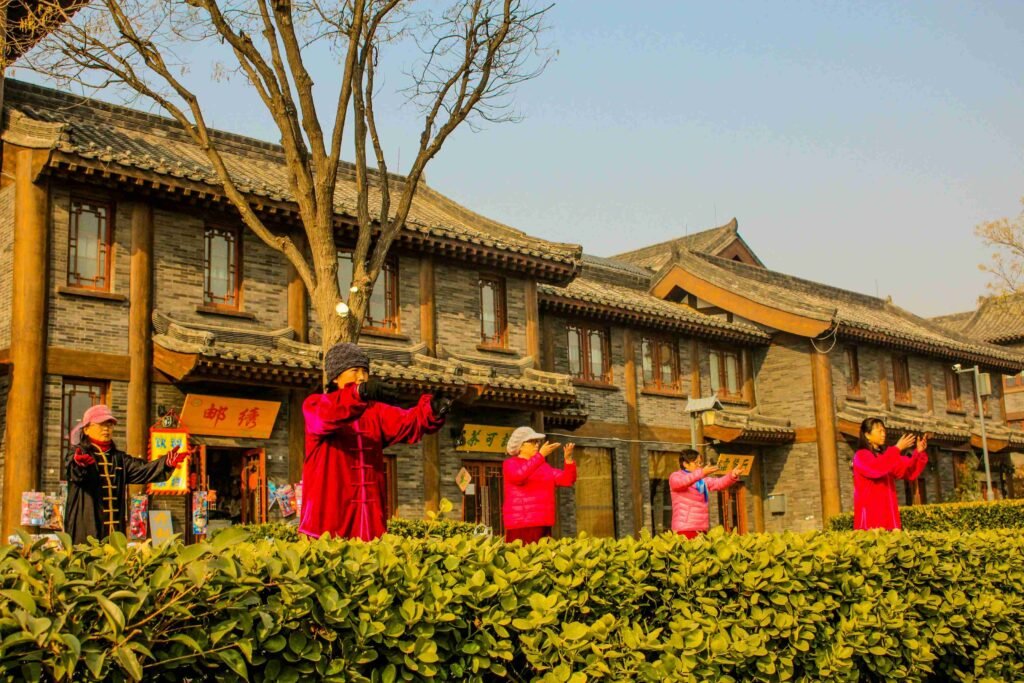
Slow Tai Chi Flow
In a simple tai chi flow, practitioners shift their weight slowly while moving their arms in smooth circular patterns.
This gentle rhythm allows the body and mind to move together. Over time, these flowing movements deepen the experience of tai chi and meditation.
How to Start Practicing Tai Chi and Meditation
Starting tai chi and meditation does not require expensive equipment or advanced training. Many beginners join local classes or follow guided online videos.
Experts recommend beginning with short sessions of about 10 to 15 minutes per day. Gradually increasing practice time allows the body to adapt.
Consistency matters more than intensity. Practicing tai chi and meditation regularly helps build both physical strength and mental calm.
Recommended Tai Chi Meditation Video
Here is a beginner-friendly tai chi meditation session from the Phoenix Mountain Tai Chi, a respected organization dedicated to teaching authentic tai chi.
Tai Chi Meditation Practice
This guided session demonstrates simple movements that help beginners experience tai chi and meditation together.
Final Thoughts on Tai Chi and Meditation
Tai chi offers a unique way to combine movement, mindfulness, and relaxation. Instead of sitting still, practitioners move slowly while focusing on breathing and awareness.
The growing popularity of tai chi and meditation demonstrates the power of this practice for both physical and emotional health. From reducing stress to improving balance, tai chi supports overall well-being.
Even a few minutes of daily practice can make a difference. By exploring tai chi and meditation, people can develop a healthier connection between the body and the mind.
References
American Psychological Association – Stress Statistics
https://www.apa.org/news/press/releases/stress
Harvard Health Publishing – The Health Benefits of Tai Chi
https://www.health.harvard.edu/exercise-and-fitness/the-health-benefits-of-tai-chi
International Journal of Environmental Research and Public Health – Tai Chi and Mental Health
https://www.mdpi.com/1660-4601/16/11/1935
Tai Chi Foundation
https://taichifoundation.org/
National Center for Complementary and Integrative Health – Tai Chi
https://www.nccih.nih.gov/health/tai-chi-and-qigong

Hi, I’m Kristi Jenkins, a passionate blogger and content writer with a love for storytelling. With years of experience in writing engaging and insightful articles, I focus on topics like mental health, lifestyle, and personal growth. My goal is to create content that inspires, educates, and connects with readers on a deeper level.