Now Reading: Stress-Reducing Exercises: Simple Ways to Calm Your Mind and Body
-
01
Stress-Reducing Exercises: Simple Ways to Calm Your Mind and Body
Stress is a normal part of life, but living in constant stress can harm both your mental and physical health. Long-term stress increases the risk of anxiety, depression, heart disease, and sleep problems. According to the American Psychological Association (APA), over 75% of adults report experiencing moderate to high stress levels that impact their health and well-being (APA, Stress in America Report).
The good news is that stress-reducing exercises are one of the most effective and natural ways to manage stress. You do not need a gym membership or expensive equipment. Simple, consistent movement can calm your nervous system, improve your mood, and restore balance.
In this article, you will learn what stress-reducing exercises are, why they work, and which exercises are best for reducing stress naturally.
What Are Stress-Reducing Exercises?
Stress-reducing exercises are physical movements that help lower cortisol (the stress hormone), relax muscles, and calm the mind. These exercises focus on gentle movement, controlled breathing, and mind-body awareness rather than intense physical performance.
Unlike high-intensity workouts that can sometimes increase stress, stress-reducing exercises support relaxation and emotional regulation. They work by activating the parasympathetic nervous system, which signals your body to rest and recover.
Why Stress-Reducing Exercises Are Important for Mental Health
Chronic stress keeps your body in a constant state of alert. Over time, this can lead to burnout, anxiety disorders, and depression.
Research published by Harvard Medical School shows that regular physical activity can reduce stress symptoms by up to 40%, improve sleep quality, and boost overall mood. Exercise also increases the production of endorphins, which are natural mood-enhancing chemicals in the brain.
Stress-reducing exercises help you:
- Calm racing thoughts
- Reduce muscle tension
- Improve emotional resilience
- Sleep better
- Improve focus and clarity
Best Stress-Reducing Exercises for Daily Life
Below are some of the most effective stress-reducing exercises that are easy to follow and suitable for beginners.
Walking: The Simplest Stress-Reducing Exercise
Walking is one of the most underrated stress-reducing exercises. A slow, mindful walk can quickly calm your nervous system.
A study published in the Journal of Psychiatric Research found that people who walked for 30 minutes a day experienced significantly lower stress and anxiety levels.
How to Use Walking to Reduce Stress
- Walk at a comfortable pace
- Focus on your breathing
- Notice your surroundings
- Avoid checking your phone
Walking outdoors, especially in nature, enhances the stress-reducing effects even more.
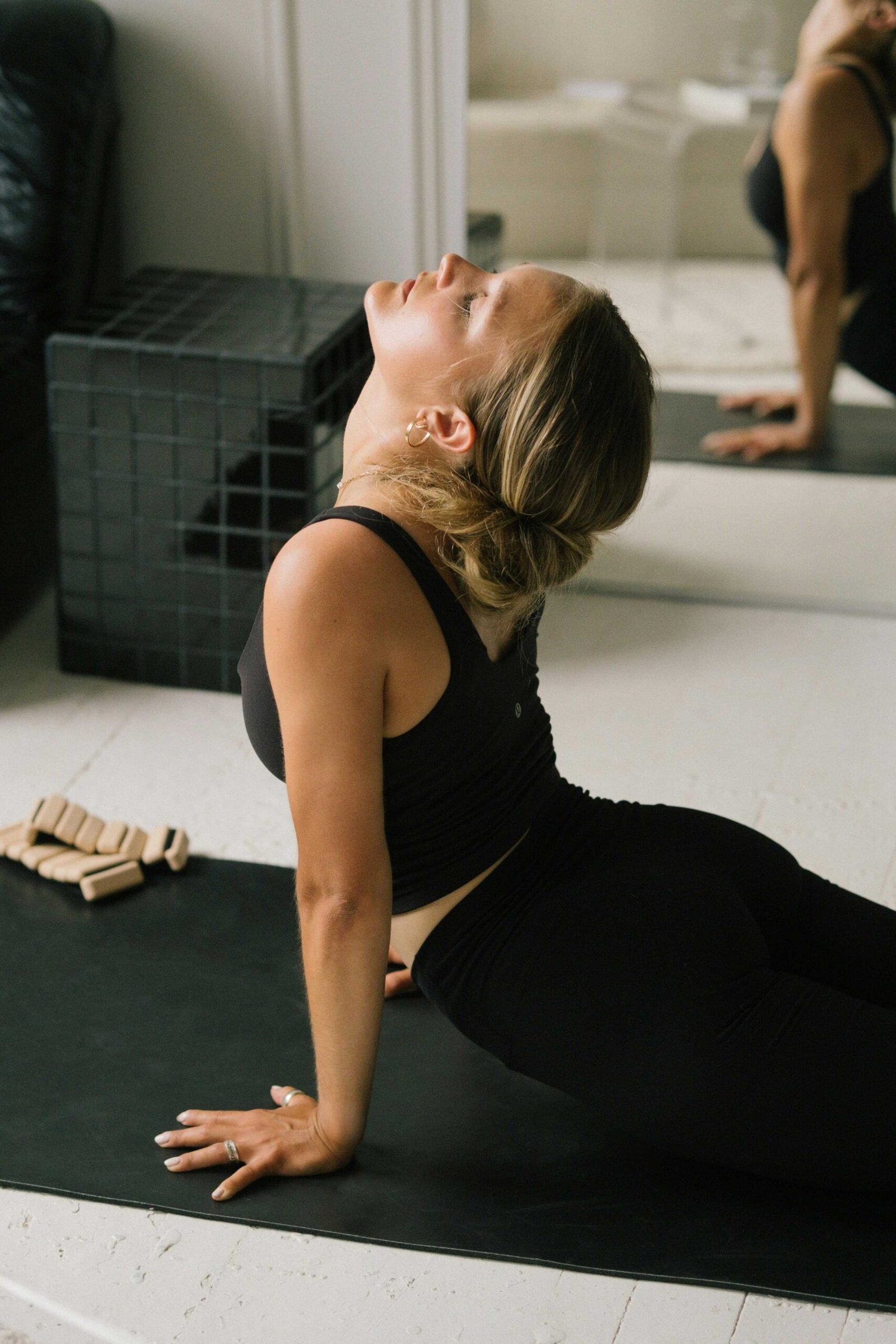
Yoga: A Powerful Mind-Body Stress Reliever
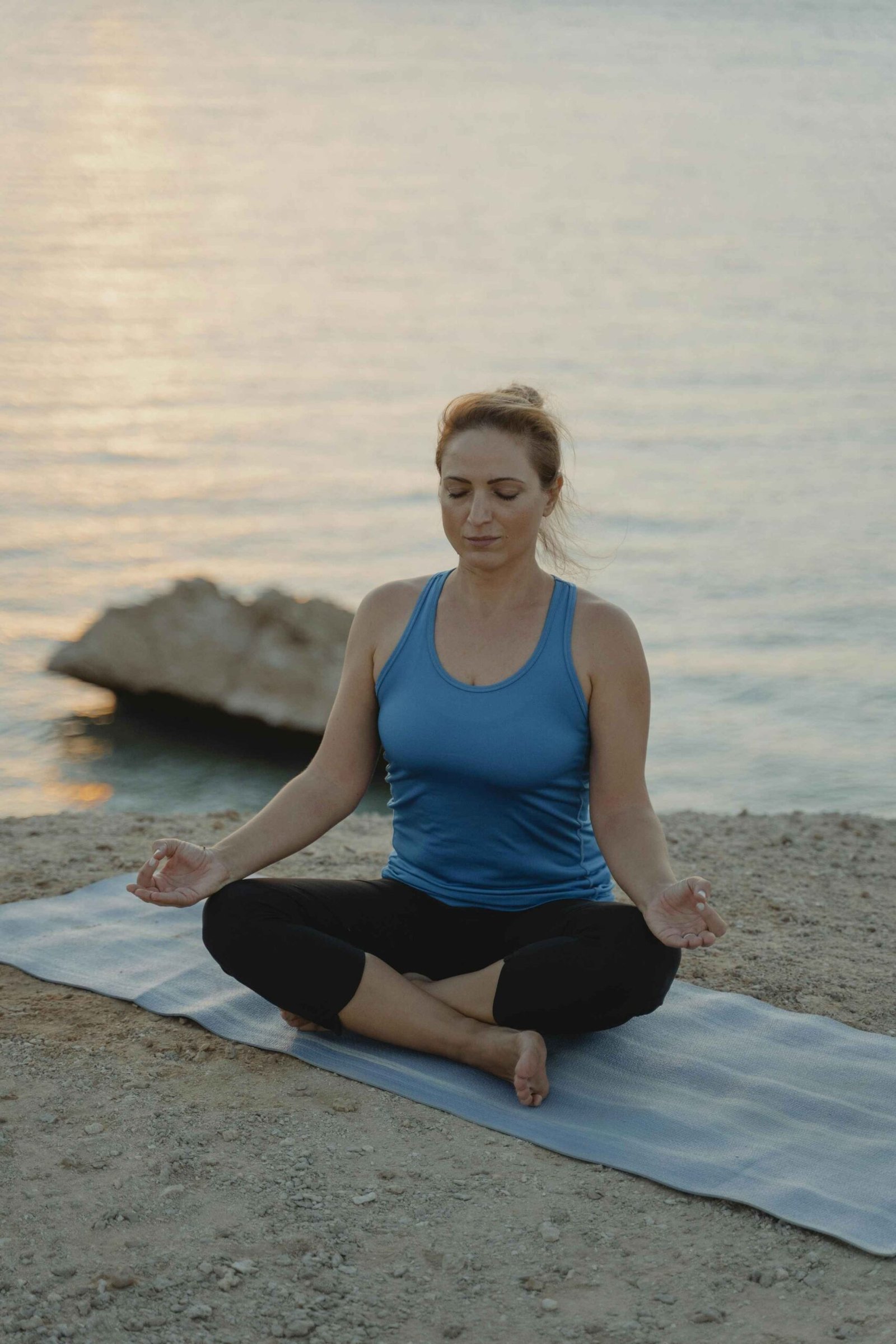
Yoga is one of the most popular stress-reducing exercises because it combines movement, breathing, and mindfulness.
According to the National Center for Complementary and Integrative Health (NCCIH), yoga has been shown to reduce stress, anxiety, and depressive symptoms in multiple clinical studies.
Best Yoga Poses for Stress Relief
- Child’s Pose
- Cat-Cow Stretch
- Legs Up the Wall
- Seated Forward Bend
These poses relax tight muscles and slow down the heart rate, making them excellent stress-reducing exercises.
Deep Breathing Exercises for Immediate Stress Relief
Breathing-based stress-reducing exercises are especially effective because they directly affect your nervous system.
Research from Johns Hopkins Medicine shows that deep breathing can lower heart rate and blood pressure within minutes.
Simple Deep Breathing Exercise
- Inhale slowly through your nose for 4 seconds
- Hold your breath for 4 seconds
- Exhale slowly through your mouth for 6 seconds
- Repeat for 5 minutes
This is one of the fastest stress-reducing exercises you can practice anywhere.
Stretching Exercises to Release Physical Stress
Stress often shows up as tight shoulders, neck pain, and lower back stiffness. Gentle stretching is one of the most effective stress-reducing exercises for releasing stored tension.
A report by the Cleveland Clinic states that stretching improves blood flow and reduces muscle tension linked to chronic stress.
Best Stress-Reducing Stretches
- Neck rolls
- Shoulder shrugs
- Spinal twists
- Hamstring stretches
Stretch slowly and breathe deeply for maximum benefit.
Tai Chi: Slow Movement for Deep Stress Reduction
Tai Chi is a slow, flowing form of exercise that promotes balance, relaxation, and mental clarity.
A meta-analysis published in Frontiers in Psychology found that Tai Chi significantly reduces stress, anxiety, and cortisol levels, especially in adults over 40.
Tai Chi works well as a stress-reducing exercise because it combines:
- Gentle movement
- Deep breathing
- Mindful focus
Strength Training as a Stress-Reducing Exercise
Light strength training can also act as stress-reducing exercise when done mindfully.
According to the Anxiety and Depression Association of America (ADAA), resistance training performed 2–3 times per week can reduce anxiety symptoms by up to 20%.
Focus on:
- Slow movements
- Controlled breathing
- Moderate weights
Avoid pushing yourself too hard, as overtraining can increase stress.
How Often Should You Do Stress-Reducing Exercises?
Consistency matters more than intensity. Experts recommend at least 150 minutes of moderate exercise per week, according to the World Health Organization (WHO).
You can break this into:
- 20–30 minutes per day
- Short 5–10 minute sessions throughout the day
Even small amounts of stress-reducing exercises can make a noticeable difference.
Tips to Get the Most Out of Stress-Reducing Exercises
To maximize the benefits of stress-reducing exercises:
- Choose activities you enjoy
- Focus on breathing
- Avoid distractions
- Practice regularly
- Be patient with your progress
Remember, stress relief is a process, not a quick fix.
Final Thoughts on Stress-Reducing Exercises
Stress is unavoidable, but suffering from it is not. Stress-reducing exercises offer a natural, affordable, and effective way to protect your mental health. Whether you choose walking, yoga, stretching, or breathing exercises, the key is consistency and mindfulness.
Scientific evidence continues to support the power of movement in reducing stress, improving mood, and enhancing overall quality of life. By making stress-reducing exercises part of your daily routine, you give your mind and body the care they deserve.
Start small, stay consistent, and let movement become your daily stress relief tool.

Hi, I’m Kristi Jenkins, a passionate blogger and content writer with a love for storytelling. With years of experience in writing engaging and insightful articles, I focus on topics like mental health, lifestyle, and personal growth. My goal is to create content that inspires, educates, and connects with readers on a deeper level.