Now Reading: Red Light Therapy for Anxiety: Does It Really Work?
-
01
Red Light Therapy for Anxiety: Does It Really Work?
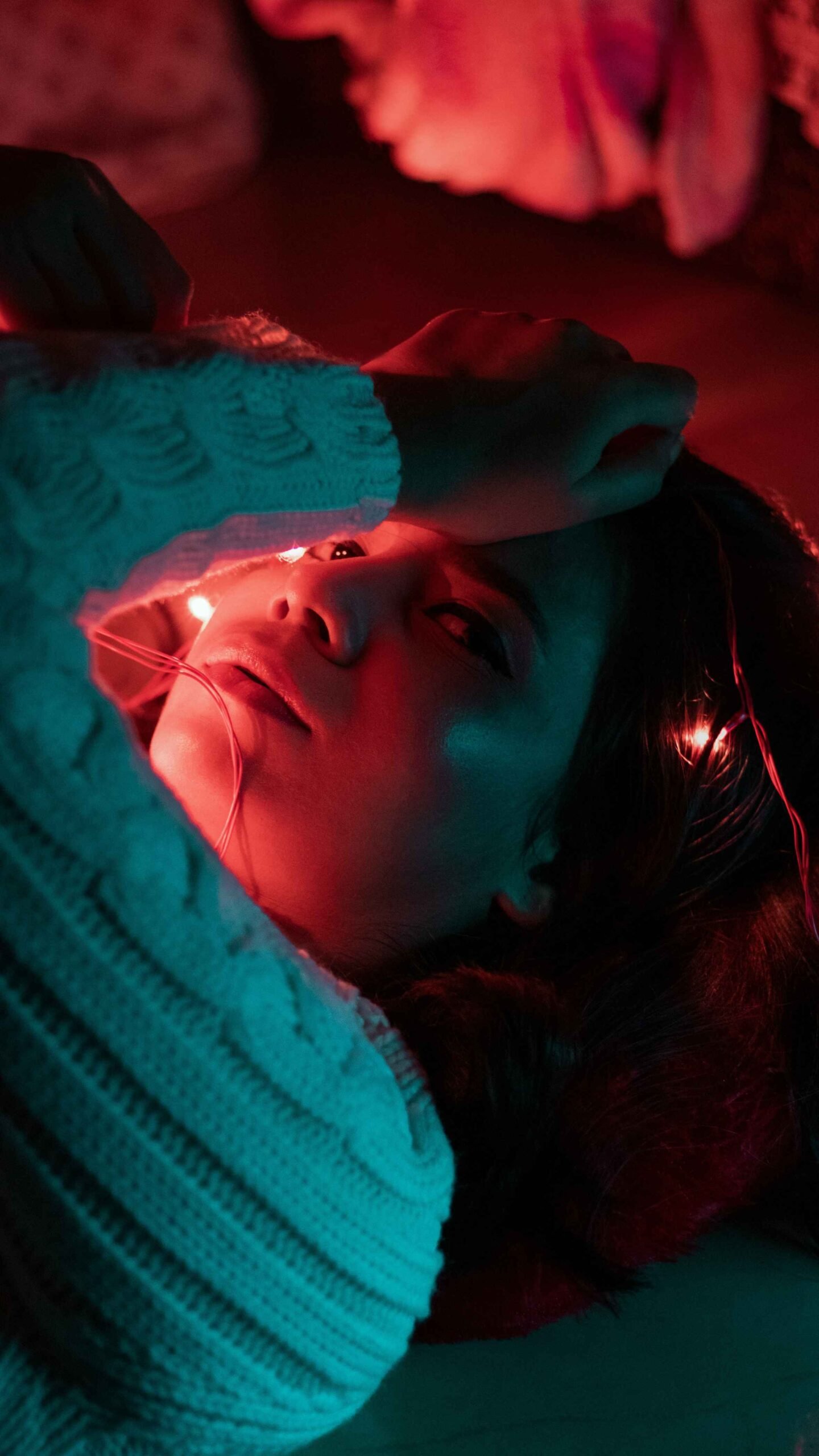
Anxiety is a common issue, affecting millions each year. The National Institute of Mental Health (NIMH) reports that over 40 million adults in the United States experience anxiety disorders. As a result, many people are looking for alternatives to medication and talk therapy.
Red light therapy is one new option people are considering for anxiety. While it is often advertised for skin care or muscle recovery, some wonder if it can also help with mental health.
This article looks at how red light therapy for anxiety works, what current research says, its possible benefits and risks, and when to get professional help. While it may be helpful, it should not replace clinical care.
What Is Red Light Therapy?
Red light therapy, or photobiomodulation, uses low-level red and near-infrared light to stimulate cells. Unlike bright white light therapy for seasonal depression, red light therapy for anxiety targets deeper tissues.
The light interacts with mitochondria, the energy centers of cells. This process may increase ATP production, which supports cellular repair and function.
In simple terms, red light therapy for anxiety aims to improve how cells produce energy and regulate inflammation, which may, in turn, influence brain function.
How Red Light Therapy for Anxiety Works
Understanding the mechanisms behind red light therapy for anxiety helps explain why researchers are interested in it.
1. Supports Mitochondrial Function
Red and near-infrared light may increase ATP production. Better cellular energy can improve overall brain performance. Some researchers believe improved energy metabolism may support emotional regulation.
2. Reduces Inflammation
Chronic inflammation is linked to anxiety and depression. According to Harvard Health Publishing, inflammation may play a part in mood disorders.
Red light therapy for anxiety may reduce inflammatory markers, which could indirectly improve mood stability.
3. Regulates Circadian Rhythm
Light exposure affects sleep cycles. Poor sleep increases anxiety symptoms. By influencing circadian rhythms, red light therapy for anxiety may help improve sleep.
What Does the Research Say About Red Light Therapy for Anxiety?
Research on red light therapy for anxiety remains in early stages. Most studies focus on depression or traumatic brain injury rather than anxiety alone.
A review published in Translational Psychiatry found that photobiomodulation showed potential benefits for mood disorders, although larger clinical trials are needed.
The National Center for Complementary and Integrative Health (NCCIH) says light therapy can affect mood, but the evidence depends on the specific condition.
While early findings are promising, experts agree that red light therapy for anxiety should complement, not replace, established treatments.
Types of Light Therapy for Mental Health
It is important to understand the difference between light therapies.
Traditional Bright White Light
Often used for seasonal affective disorder (SAD). This method uses high-intensity white light.
Red and Near-Infrared Light
This approach targets cellular energy and inflammation. Red light therapy for anxiety falls into this category.
Blue-Enriched Light
Blue light can make you feel more alert and affect your sleep cycle, but using it at the wrong time may disrupt sleep.
Each type works differently. Choosing the right method depends on your symptoms and medical history.
Potential Benefits of Red Light Therapy for Anxiety
Some reported benefits of red light therapy for anxiety include:
- Reduced stress levels
- Improved sleep quality
- Enhanced mood
- Better mental clarity
- Increased daytime energy
Improved sleep alone can significantly reduce anxiety. Research shows that sleep disturbances often worsen anxiety symptoms.
While individual results vary, many users report feeling calmer after consistent sessions of red light therapy for anxiety.
Risks and Side Effects
Most studies suggest that red light therapy for anxiety is generally safe when used correctly. However, side effects can occur.
Common temporary effects may include:
- Mild headache
- Eye strain
- Irritability
People with bipolar disorder should talk to a doctor before trying red light therapy for anxiety, since light exposure can sometimes trigger manic symptoms.
Always follow device guidelines and avoid overexposure.
How to Use Red Light Therapy for Anxiety Safely
If you are considering red light therapy for anxiety, follow these general safety tips:
- Use sessions lasting 10–20 minutes
- Maintain the recommended distance from the device.
- Wear protective eyewear if advised.
- Start with 3–5 sessions per week.
- Monitor how your body responds.
Consistency matters. Like exercise, benefits build over time.
Here’s a helpful video by Dr. Paul Anderson:
When Red Light Therapy May Be Most Helpful
Red light therapy for anxiety may be particularly helpful for:
- Mild to moderate anxiety
- Seasonal mood changes
- Stress-related fatigue
- Sleep disruptions
It may serve as part of a broader wellness routine that includes therapy, exercise, and balanced nutrition.
When to Seek Professional Help
While red light therapy for anxiety shows potential, severe anxiety requires professional evaluation.
Seek immediate help if you experience:
- Panic attacks
- Persistent insomnia
- Suicidal thoughts
- Increased substance use
In the United States, call or text 988 for the Suicide & Crisis Lifeline.
Frequently Asked Questions
Does red light therapy cure anxiety?
No, red light therapy for anxiety may help reduce symptoms, but it does not cure anxiety disorders.
How long does it take to see results?
Some people notice improvements within a few weeks. Consistency is key.
Is daily use safe?
Using red light therapy every day may be safe if you follow the recommended guidelines. If you are unsure, check with your healthcare provider.
Final Thoughts
Red light therapy for anxiety is a new option in mental health care. Early research shows it may help with mood, lower inflammation, and improve sleep.
However, it works best when used with proven treatments like cognitive behavioral therapy, healthy lifestyle changes, and medical advice when needed.
If you want to try red light therapy for anxiety, be curious but careful. Pay attention to how you feel, get advice from a professional, and keep up healthy daily habits.
References
- National Institute of Mental Health. Anxiety Disorders Statistics.
https://www.nimh.nih.gov/health/statistics/any-anxiety-disorder - Harvard Health Publishing. Inflammation and Depression.
https://www.health.harvard.edu/blog/inflammation-depression-2018032013535 - National Center for Complementary and Integrative Health (NCCIH). Light Therapy Overview.
https://www.nccih.nih.gov/health/light-therapy-what-you-need-to-know - Hamblin MR. Photobiomodulation for brain disorders. Translational Psychiatry.
https://www.nature.com/articles/tp2016111

Hi, I’m Kristi Jenkins, a passionate blogger and content writer with a love for storytelling. With years of experience in writing engaging and insightful articles, I focus on topics like mental health, lifestyle, and personal growth. My goal is to create content that inspires, educates, and connects with readers on a deeper level.