Now Reading: Omega-3 Supplements for Depression: Natural Support for a Healthier Mind
-
01
Omega-3 Supplements for Depression: Natural Support for a Healthier Mind
Omega-3 Supplements for Depression: Natural Support for a Healthier Mind
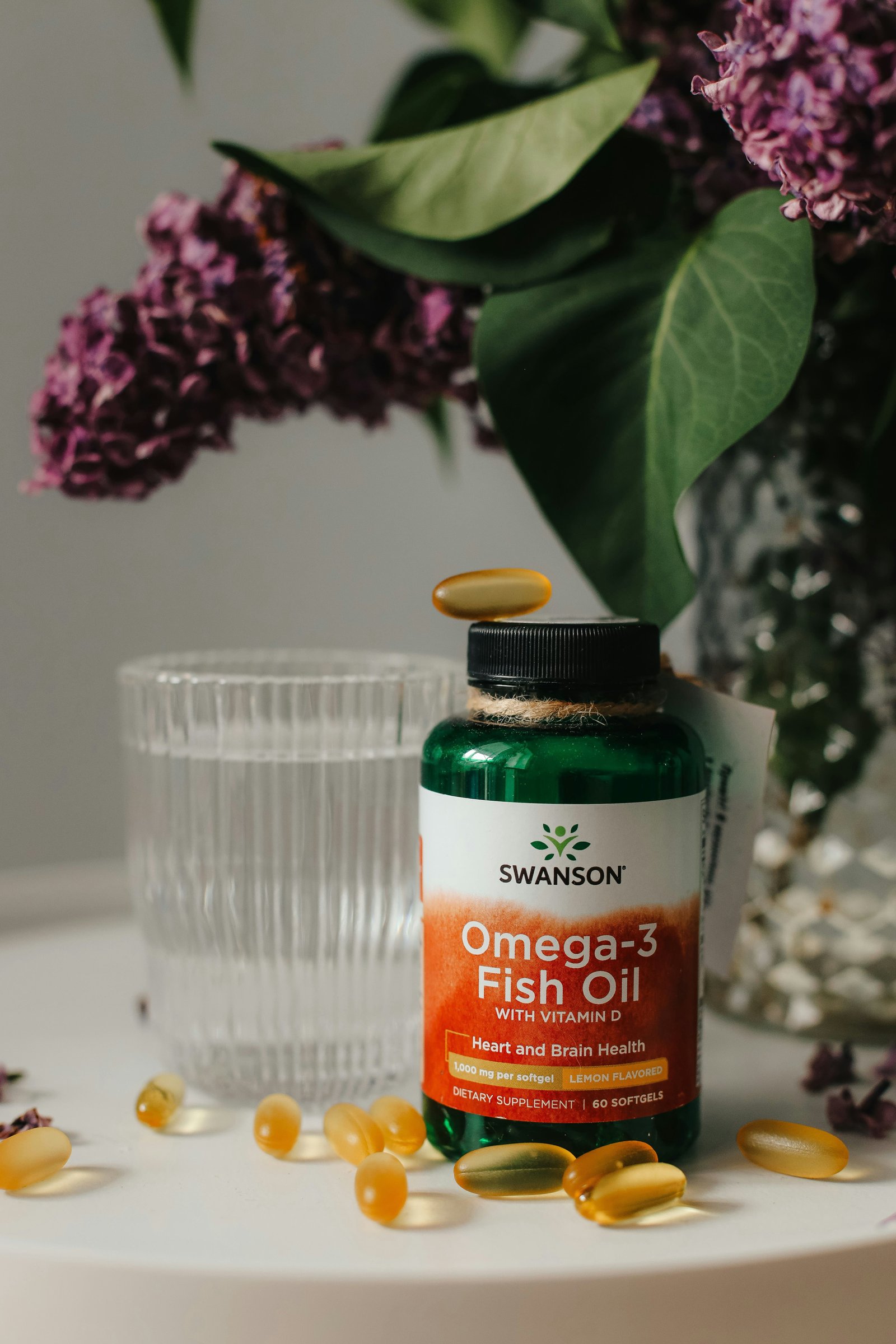
Depression is a growing mental health concern worldwide. It affects how we think, feel, and live our lives. While therapy and medication are common treatments, more people are now turning to natural solutions to support their recovery. One of the most studied and promising natural remedies is omega-3 supplements for depression.
In this article, we’ll explore how omega-3s work in the brain, what research says, and how they can help boost mood, reduce depressive symptoms, and support your mental health naturally.
What Are Omega-3 Fatty Acids?
Omega-3s are essential fats that your body cannot produce on its own. You need to get them through food or supplements. The two most important types for mental health are:
- EPA (eicosapentaenoic acid)
- DHA (docosahexaenoic acid)
These are mainly found in fatty fish like salmon, mackerel, and sardines, but they are also available in concentrated supplement form.
Omega-3s are known for supporting heart health, reducing inflammation, and improving brain function—all of which play a role in managing depression.
How Omega-3 Supplements Help with Depression
Let’s break down the science behind omega-3 supplements for depression and why they are gaining popularity as a natural treatment option.
1. They Support Brain Structure and Function
The brain is made up of nearly 60% fat, and DHA is one of its key building blocks. Omega-3s help maintain flexible, healthy cell membranes in the brain, which improves communication between brain cells.
2. They Reduce Inflammation
Chronic inflammation in the body and brain has been linked to depression. Omega-3s have powerful anti-inflammatory properties that may help lower this inflammation and support better emotional regulation.
3. They Improve Serotonin Function
Omega-3s may enhance serotonin transmission by making brain cell membranes more fluid. This can improve how the brain uses serotonin—a chemical that helps regulate mood.
What the Research Says
The benefits of omega-3 supplements for depression are backed by a growing number of scientific studies.
- A 2020 meta-analysis published in Translational Psychiatry found that omega-3 supplements, especially those high in EPA, significantly reduced symptoms of depression, particularly in people already diagnosed with major depressive disorder (Grosso et al., 2020).
- According to The American Journal of Psychiatry, individuals with low levels of omega-3s in their blood are more likely to experience symptoms of depression (AJP, 2016).
- Another study in Nutrients (2019) reported that EPA-rich supplements were more effective in reducing depression symptoms than those with DHA alone (Nutrients, 2019).
These findings suggest that omega-3s—especially EPA—may be a valuable addition to depression treatment plans.
Recommended Dosage and Best Practices
Before starting any supplement, consult a healthcare provider, especially if you’re taking antidepressants or other medications.
General Guidelines:
- Most studies use doses between 1,000 to 2,000 mg of EPA and DHA combined per day.
- Look for supplements with a higher EPA to DHA ratio for maximum mood support.
- Choose high-quality, third-party tested brands to ensure purity and safety.
Consistency is key. It may take several weeks of daily use to notice improvements in mood and energy levels.
Food Sources of Omega-3s
While supplements are helpful, you can also boost your intake of omega-3s naturally through your diet.
Rich food sources include:
- Salmon
- Mackerel
- Sardines
- Anchovies
- Walnuts
- Chia seeds
- Flaxseeds
However, plant-based sources mainly contain ALA (alpha-linolenic acid), which must be converted to EPA and DHA in the body. This conversion is often inefficient, so supplementation is often recommended—especially for mental health support.
Who Can Benefit Most?
While omega-3 supplements may help anyone with low intake or mild symptoms, research shows they are particularly effective for:
- People with major depressive disorder (MDD)
- Those with inflammation-related depression
- Individuals with poor dietary habits or low fish consumption
- People not responding well to antidepressants (as an add-on therapy)
They may also help individuals with postpartum depression, bipolar disorder, or ADHD, though research in these areas is still developing.
Real-Life Example: Jason’s Journey with Omega-3
Jason, a 38-year-old teacher, had struggled with low mood, poor focus, and fatigue for months. He didn’t want to rely solely on antidepressants and decided to add omega-3 supplements for depression to his routine after reading several studies.
After six weeks of consistent use, along with exercise and improved sleep, he noticed a lift in his energy and outlook. “It wasn’t a miracle,” he said, “but it felt like my brain had more fuel to function again.”
Jason’s experience mirrors what many report—natural supplements like omega-3s can make a real difference when used consistently and combined with other healthy habits.
Combining Omega-3s with Other Lifestyle Strategies
Omega-3s are most effective when used alongside other natural depression-fighting strategies:
- Exercise: Boosts endorphins and serotonin
- Mindfulness: Reduces stress and improves focus
- Sleep hygiene: Supports brain recovery and mood stability
- Therapy: Offers tools to manage thoughts and emotions
- Social connection: Prevents isolation and builds resilience
Together, these form a powerful, holistic approach to managing depression.
Final Thoughts
Depression is real, and healing takes time—but there are many tools to help along the way. If you’re looking for a natural and science-backed way to support your mental health, consider adding omega-3 supplements for depression to your wellness routine.
They’re not a quick fix, but over time, they can strengthen brain function, ease emotional pain, and help you feel more balanced and energized.
Always talk to a healthcare professional before starting a new supplement, and remember: small steps every day lead to lasting change.
References
- Grosso, G., et al. (2020). “Omega-3 fatty acids in depression.” Translational Psychiatry.
- American Journal of Psychiatry (2016). “Omega-3 fatty acids and mood regulation.”
- Sublette, M.E., et al. (2011). “Meta-analysis of omega-3 supplementation for depression.” Journal of Clinical Psychiatry.
- Nutrients. (2019). “Effects of EPA and DHA on Depression.” https://www.ncbi.nlm.nih.gov/pmc/articles/PMC6723656/

Hi, I’m Kristi Jenkins, a passionate blogger and content writer with a love for storytelling. With years of experience in writing engaging and insightful articles, I focus on topics like mental health, lifestyle, and personal growth. My goal is to create content that inspires, educates, and connects with readers on a deeper level.