Now Reading: How Long to Meditate for Beginners: A Simple, Science-Backed Guide
-
01
How Long to Meditate for Beginners: A Simple, Science-Backed Guide
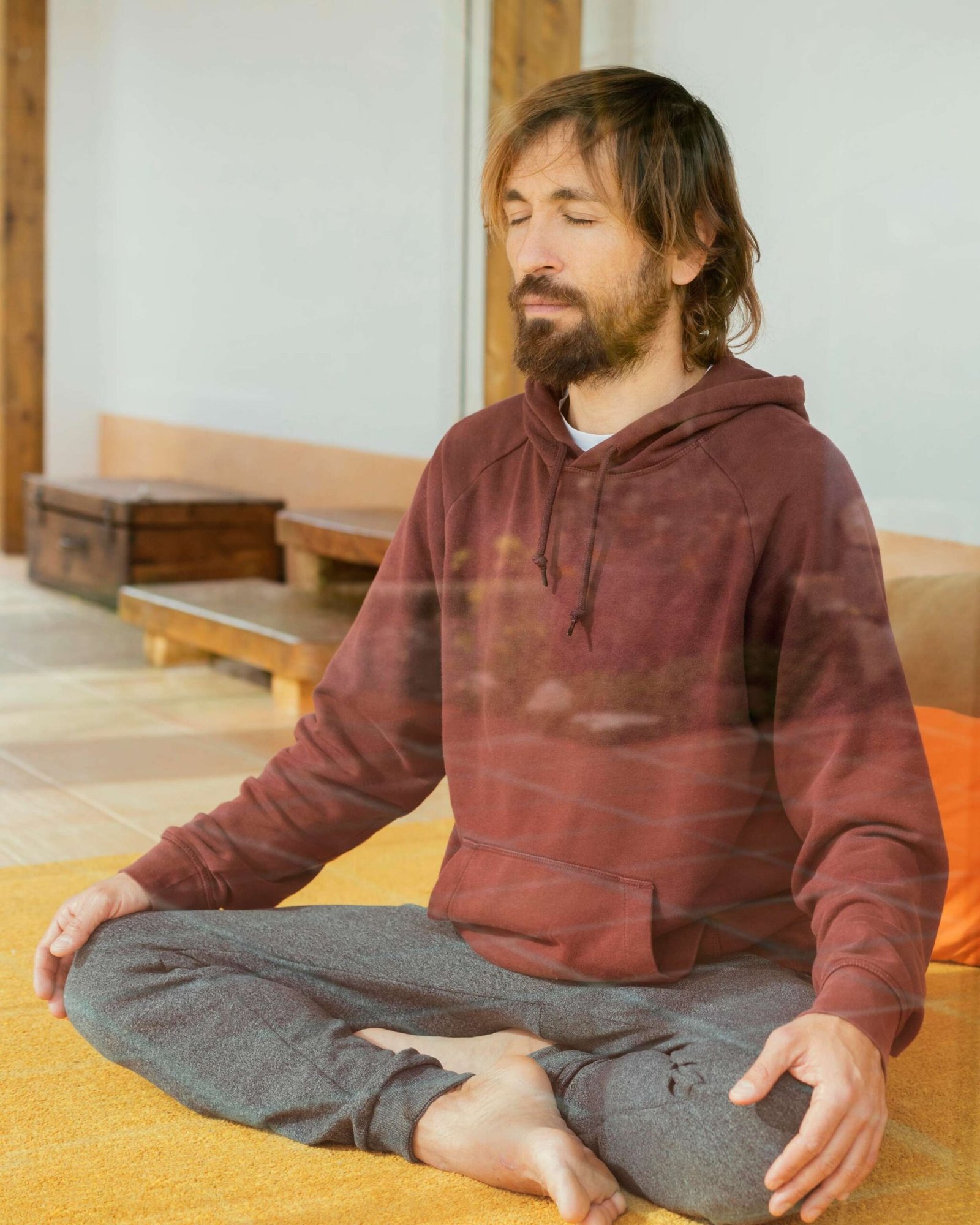
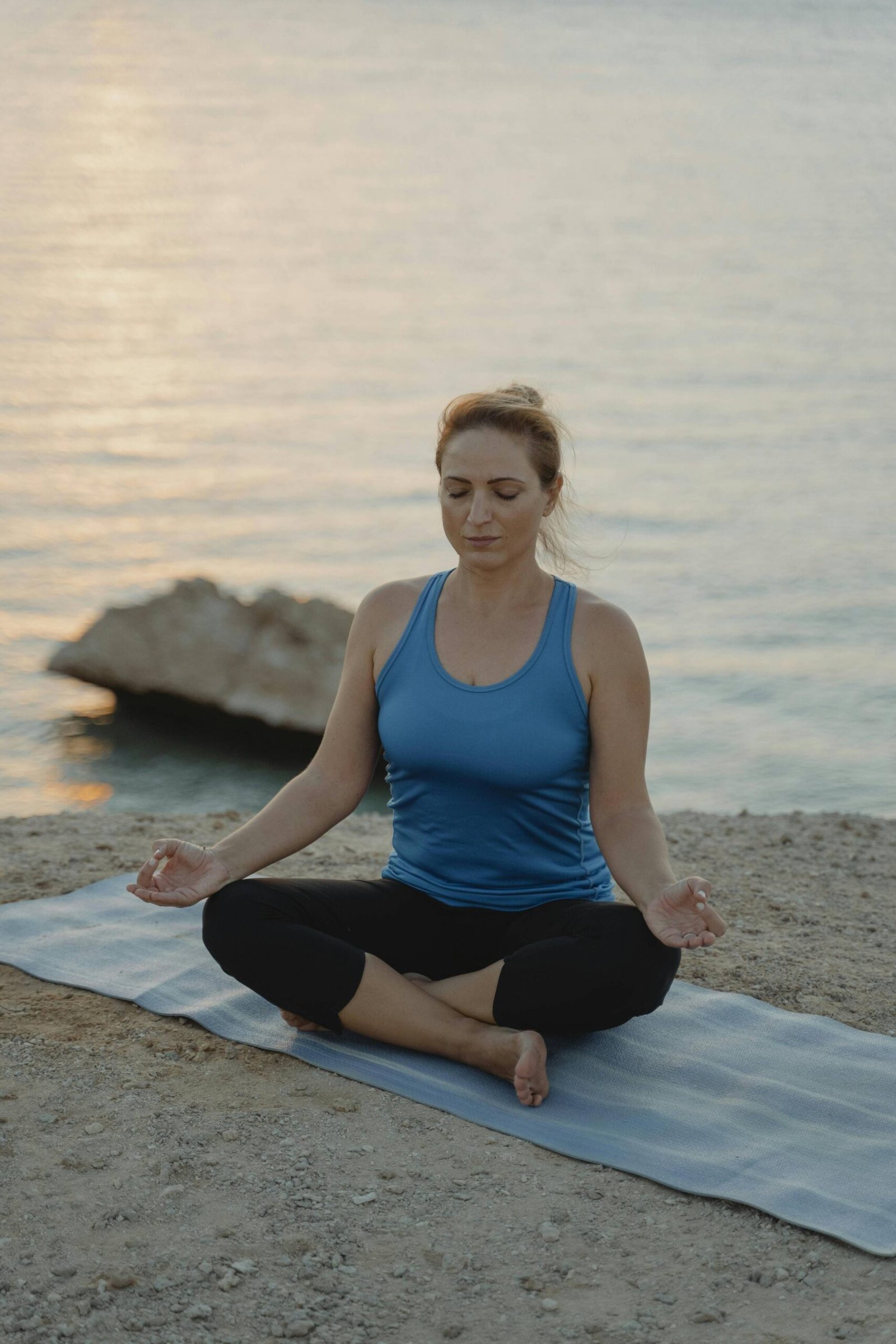
It’s normal to feel unsure when starting meditation. A common question is how long beginners should meditate. Some people worry they aren’t meditating enough, while others try to sit too long and end up quitting.
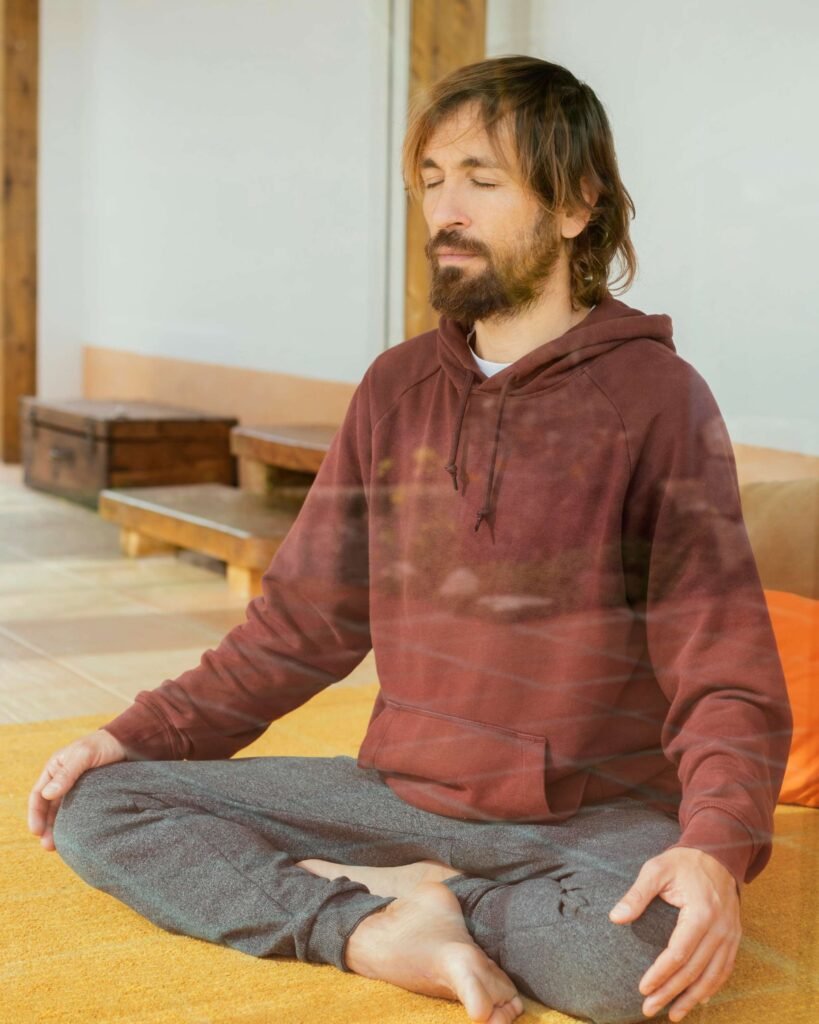
The truth is simple. Meditation does not need long hours to work. Short, consistent sessions often bring better results than long, irregular ones. This guide explains how long to meditate for beginners, why short sessions work, and how to build a practice that feels realistic and supportive.
What Is Meditation? A Beginner-Friendly Explanation
Meditation means paying attention to the present moment. You might focus on your breath, notice how your body feels, or repeat a simple word or phrase. Meditation isn’t about stopping your thoughts or clearing your mind completely.
For beginners, meditation trains awareness, patience, and emotional balance. Understanding how long to meditate for beginners helps reduce pressure and makes meditation feel achievable instead of overwhelming.
Benefits of Meditation for Beginners
Even short meditation sessions have real benefits. Research shows that meditation can improve your mood, focus, and how you handle stress.
According to Harvard Medical School, regular meditation can reduce stress, improve mood, and support overall mental well-being
(https://www.health.harvard.edu/mind-and-mood/what-meditation-can-do-for-your-mind-mood-and-health).
When beginners know how long to meditate, they’re more likely to stick with it and enjoy these benefits over time.
How Long to Meditate for Beginners? The Short Answer
If you’re new to meditation, it’s best to start small. Most experts suggest:
- 5 minutes per day for complete beginners
- 10 minutes per day after 1–2 weeks
- 15 minutes per day, once meditation feels comfortable
Knowing how long to meditate for beginners helps prevent burnout. You do not need long sessions to see progress. Consistency matters far more than duration.
A study published in the Journal of Positive Psychology found that 10 minutes of daily meditation improved mood and reduced stress
(https://www.tandfonline.com/doi/abs/10.1080/17439760.2018.1519589).
Is Short Meditation Really Effective?
Many beginners wonder if short sessions really work. The good news is they do. Short meditations help calm your body and improve your awareness.
Research from the National Institutes of Health shows that even brief mindfulness practices reduce stress markers and improve attention
(https://www.ncbi.nlm.nih.gov/pmc/articles/PMC3679190/).
If you’re just starting out, remember that meditating for five minutes every day is more helpful than doing long sessions only once in a while.
Factors That Affect How Long You Should Meditate
There isn’t one answer that works for everyone. A few things can affect how long beginners should meditate.
Your Experience Level
If you’re new to meditation, shorter sessions are usually better. Longer sessions can make you feel restless or frustrated at first.
Your Goals
If you’re meditating to relieve stress, short sessions might be all you need. If you want to go deeper, you can slowly add more time.
Your Schedule
A schedule you can stick to helps you stay consistent. It’s better to do a short session every day than to plan long ones you end up skipping.
Physical and Mental Comfort
Discomfort distracts beginners. Short sessions allow you to build comfort and focus gradually.
How Often Should Beginners Meditate?
How often you meditate is more important than how long you meditate. Meditating every day helps your brain build habits for better focus and emotional balance.
Research in Behaviour Research and Therapy shows that daily mindfulness practice leads to stronger habit formation and better long-term outcomes
(https://www.sciencedirect.com/science/article/pii/S0005796712001377).
When you think about how long to meditate, remember to focus on being consistent too.
Sample Meditation Timelines for Beginners
Understanding how long to meditate for beginners becomes easier with clear examples.
1-Minute Meditation
This is great for busy days. Just focus on one deep breath at a time.
5-Minute Meditation
This is perfect if you’re just starting out. It helps you get comfortable and aware without feeling pressured.
10-Minute Meditation
Once you’ve built the habit, this helps you focus better and manage your emotions.
15-Minute Meditation
Best for beginners who feel confident and relaxed with meditation.
Simple Meditation Techniques for Beginners
Picking the right technique can make your meditation time more effective.
Breath Awareness Meditation
Gently focus on your breath. This method is great for short sessions.
Body Scan Meditation
Move your attention slowly through your body. This helps you become more aware of how your mind and body connect.
Loving-Kindness Meditation
Repeat kind phrases to yourself and others. This practice helps you feel more emotionally balanced.
All of these methods work well with short sessions, especially when you’re just starting out.
Common Beginner Mistakes to Avoid
Many beginners try to meditate too long, too soon. This often leads to frustration.
Another common mistake is expecting to feel calm right away. Meditation is about building awareness, not always feeling relaxed. It’s normal for your mind to wander.
Knowing how long to meditate helps you set realistic expectations and keeps you from getting discouraged.
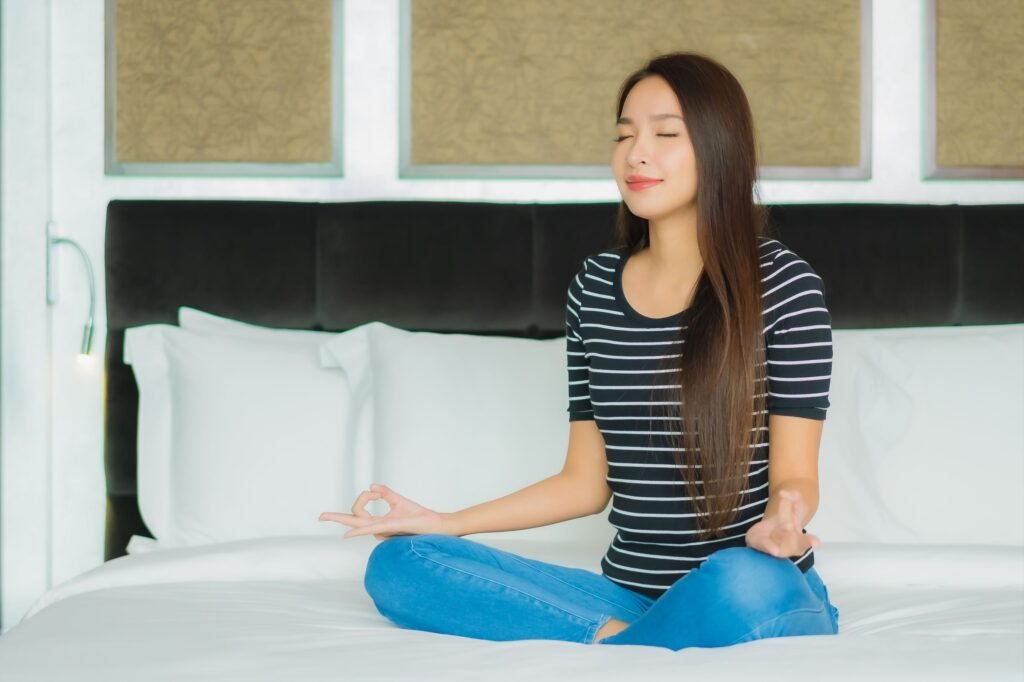
How to Make Meditation a Daily Habit
Habits grow when they feel manageable. Tie meditation to an existing routine, such as morning coffee or bedtime.
If sitting in silence is hard, try guided meditations. Apps and videos can help you stay focused and motivated as a beginner.
Small steps make meditation sustainable, especially when learning how long to meditate for beginners.
Helpful Tools and Beginner Resources
Trusted platforms include Insight Timer, Headspace, and UCLA Mindful Awareness Center
https://www.uclahealth.org/programs/marc
Trusted YouTube Resource
The Mayo Clinic offers a clear beginner meditation guide:
Final Thoughts: Start Small and Stay Consistent
Meditation doesn’t have to be complicated. Knowing how long to meditate can take away pressure and help you feel more confident.
Start with a few minutes, stay consistent, and allow progress to happen naturally. Over time, meditation becomes easier, calmer, and more meaningful.
References
- Harvard Medical School – Benefits of Meditation
https://www.health.harvard.edu/mind-and-mood/what-meditation-can-do-for-your-mind-mood-and-health - Journal of Positive Psychology – Short Meditation Benefits
https://www.tandfonline.com/doi/abs/10.1080/17439760.2018.1519589 - National Institutes of Health – Mindfulness Research
https://www.ncbi.nlm.nih.gov/pmc/articles/PMC3679190/ - Behaviour Research and Therapy – Habit Formation
https://www.sciencedirect.com/science/article/pii/S0005796712001377

Hi, I’m Kristi Jenkins, a passionate blogger and content writer with a love for storytelling. With years of experience in writing engaging and insightful articles, I focus on topics like mental health, lifestyle, and personal growth. My goal is to create content that inspires, educates, and connects with readers on a deeper level.