Now Reading: How Exercise Helps With Stress Management
-
01
How Exercise Helps With Stress Management

Stress is a part of daily life. Work pressure, family responsibilities, financial worries, and health concerns can all add up. Over time, unmanaged stress can affect both mental and physical health. One of the most effective and natural ways to reduce stress is physical activity. Research consistently shows how exercise helps with stress management by improving mood, calming the nervous system, and building emotional resilience.

In this article, you will learn how exercise helps with stress management, why it works, and how you can use simple forms of movement to feel calmer and more in control of your life.
Understanding Stress and Its Impact on Mental Health
Stress is the body’s natural response to challenges or threats. When you feel stressed, your body releases hormones like cortisol and adrenaline. These hormones prepare you for action, but chronic stress keeps the body in a constant state of alert.
Long-term stress can lead to:
- Anxiety and depression
- Sleep problems
- High blood pressure
- Weakened immune system
- Burnout and emotional exhaustion
According to the American Psychological Association (APA), nearly 77% of people regularly experience physical symptoms caused by stress, and 73% report psychological symptoms such as irritability and anxiety (APA, 2023).
This is where exercise becomes a powerful tool. Understanding how exercise helps with stress management can help you protect your mental well-being.
How Exercise Helps With Stress Management at a Biological Level
Exercise Reduces Stress Hormones
One major reason how exercise helps with stress management is its effect on stress hormones. Physical activity lowers cortisol levels over time. While short bursts of exercise temporarily raise cortisol, regular movement trains your body to return to a calm state faster.
Exercise Releases “Feel-Good” Chemicals
Exercise increases the release of endorphins, dopamine, and serotonin. These brain chemicals improve mood and reduce pain perception.
According to Harvard Medical School, regular exercise works as a natural antidepressant by increasing neurotransmitters that regulate mood and emotional balance (Harvard Health Publishing, 2022).
This chemical response explains how exercise helps with stress management without medication.
How Exercise Helps With Stress Management Emotionally
Exercise Improves Mood and Emotional Control
Stress often causes emotional overload. Exercise provides a healthy outlet to release tension and frustration. Even a 20-minute walk can shift your emotional state.
A large study published in The Lancet Psychiatry found that people who exercised regularly had 43% fewer days of poor mental health compared to those who did not exercise (Chekroud et al., 2018).
This shows clearly how exercise helps with stress management by improving emotional regulation.
Exercise Builds Mental Resilience
When you exercise consistently, you train your mind to handle discomfort and challenge. This resilience carries over into daily life. You feel more capable of handling stressful situations at work or home.
How Exercise Helps With Stress Management Through Better Sleep
Sleep and stress are deeply connected. Stress disrupts sleep, and poor sleep increases stress.
Exercise Improves Sleep Quality
Exercise helps regulate your circadian rhythm and promotes deeper sleep stages. Better sleep allows the brain to recover from stress.
The Sleep Foundation reports that people who engage in regular physical activity fall asleep faster and experience better sleep quality than inactive individuals (Sleep Foundation, 2023).
Better sleep is another clear example of how exercise helps with stress management naturally.
Types of Exercise That Help With Stress Management
Not all exercise needs to be intense. Different types of movement support stress relief in different ways.
Aerobic Exercise
Examples include:
- Walking
- Jogging
- Cycling
- Swimming
Aerobic exercise is especially effective in showing how exercise helps with stress management by reducing anxiety and improving cardiovascular health.
Strength Training
Lifting weights or bodyweight exercises increase confidence and improve body awareness. Strength training also reduces symptoms of anxiety and depression.
Mind-Body Exercises
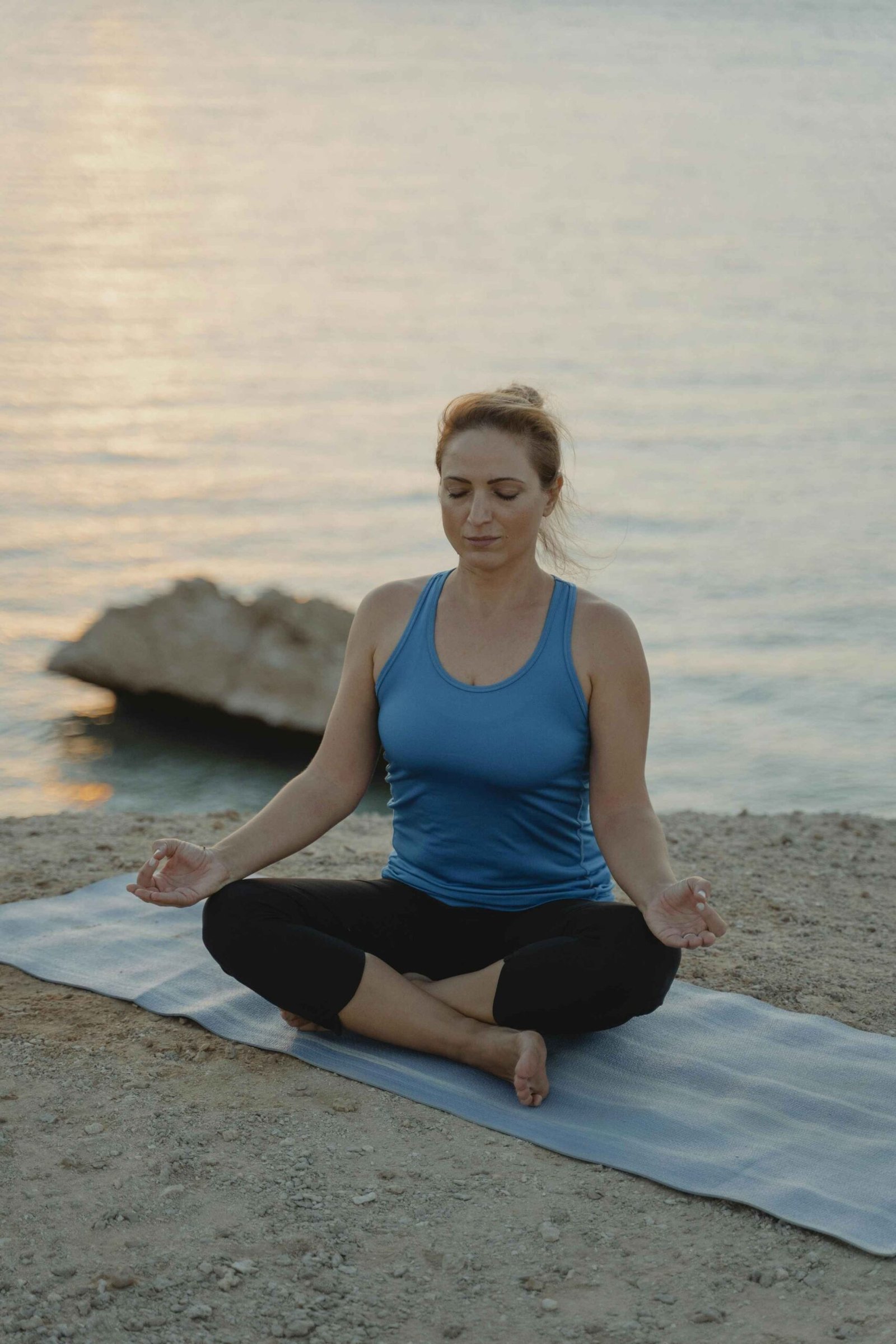
Yoga, tai chi, and Pilates combine movement with breathing and mindfulness. These practices calm the nervous system and reduce emotional stress.
A review published in Frontiers in Psychiatry found that yoga significantly reduces stress and anxiety levels by improving parasympathetic nervous system activity (Pascoe et al., 2017).
How Much Exercise Is Needed for Stress Relief?
You do not need hours in the gym to experience how exercise helps with stress management.
The World Health Organization (WHO) recommends:
- 150 minutes of moderate exercise per week, or
- 75 minutes of vigorous exercise per week
Even short sessions count. Ten-minute movement breaks during the day can significantly reduce stress levels.
How Exercise Helps With Stress Management in Daily Life
Exercise Creates Routine and Structure
Stress often feels chaotic. Exercise adds structure to your day. This sense of control helps reduce mental overload.
Exercise Encourages Mindfulness
When you focus on breathing, posture, or movement, your attention shifts away from worries. This present-moment awareness explains how exercise helps with stress management on a psychological level.
Exercise Builds Social Connection
Group classes, walking with friends, or team sports provide social support. Social connection itself reduces stress and feelings of isolation.
Barriers to Exercise and How to Overcome Them
Many people know how exercise helps with stress management, but still struggle to start.
Common Barriers
- Lack of time
- Low motivation
- Fatigue
- Fear of judgment
Simple Solutions
- Start with 5–10 minutes a day
- Choose activities you enjoy
- Exercise at home if gyms feel intimidating
- Focus on consistency, not intensity
Small steps create lasting change.
Long-Term Benefits of Exercise for Stress Management
Over time, exercise reshapes both the brain and body. Regular physical activity:
- Lowers baseline anxiety
- Improves self-esteem
- Enhances emotional regulation
- Reduces risk of depression
A long-term study in JAMA Psychiatry found that regular physical activity is associated with a 26% lower risk of developing depression (Schuch et al., 2018).
This long-term protection highlights how exercise helps with stress management beyond short-term relief.
Final Thoughts: How Exercise Helps With Stress Management Naturally
Stress may be unavoidable, but suffering does not have to be. Science clearly shows how exercise helps with stress management by balancing hormones, improving mood, enhancing sleep, and building emotional resilience.
You do not need perfection. You only need movement. A walk, a stretch, or a short workout can shift your entire day. When exercise becomes part of your routine, stress loses its power over your mental health.
By understanding how exercise helps with stress management, you give yourself a practical, natural, and long-lasting tool to protect your well-being—one step at a time.

Hi, I’m Kristi Jenkins, a passionate blogger and content writer with a love for storytelling. With years of experience in writing engaging and insightful articles, I focus on topics like mental health, lifestyle, and personal growth. My goal is to create content that inspires, educates, and connects with readers on a deeper level.