Now Reading: Exercise and Mental Health in Addiction Recovery: A Path to Lasting Sobriety
-
01
Exercise and Mental Health in Addiction Recovery: A Path to Lasting Sobriety
Exercise and Mental Health in Addiction Recovery: A Path to Lasting Sobriety

Recovery from addiction is a long and personal journey. While therapy, medication, and support groups are common tools, one powerful and often overlooked element is exercise. Regular physical activity can play a significant role in boosting mental health, reducing the risk of relapse, and supporting emotional well-being throughout recovery.
This article explores how exercise and mental health in addiction recovery are closely linked and why incorporating fitness into recovery plans helps build a stronger, sober life.
How Addiction Affects Mental Health
Addiction impacts the brain’s reward system. Over time, substance abuse rewires the brain, making it harder to feel pleasure without the substance. It also weakens emotional regulation, increasing anxiety, depression, and feelings of hopelessness.
According to the National Institute on Drug Abuse (NIDA), nearly 50% of people with a substance use disorder also suffer from mental illness (NIDA, 2020). This co-occurrence makes recovery more complex, and addressing mental health becomes essential to staying sober.
The Connection Between Exercise and Mental Health
Exercise is not just about physical health. It also significantly impacts the brain and mood. When we move, our brain releases endorphins, dopamine, and serotonin—chemicals that promote happiness and relaxation.
Key Mental Health Benefits of Exercise:
- Reduces anxiety and depression
- Improves sleep quality
- Boosts self-esteem
- Increases energy and focus
- Enhances stress management
For those in recovery, these benefits create a more stable emotional environment, reducing the need to turn to substances for relief.
How Exercise Supports Addiction Recovery
1. Boosts Mood and Reduces Cravings
One of the most immediate effects of exercise is mood enhancement. A 2019 study published in Frontiers in Psychology found that moderate exercise reduced cravings in individuals recovering from alcohol and drug addiction. This happens because exercise activates reward pathways in the brain—the same ones hijacked by substance use—but in a healthy way.
2. Builds Routine and Purpose
Addiction thrives in chaos. Recovery requires structure. Exercise provides a daily or weekly routine that adds purpose and predictability. Whether it’s a morning walk, yoga session, or gym class, having a consistent habit helps create a sense of control and progress.
3. Improves Sleep and Reduces Stress
Sleep disturbances are common during recovery. Poor sleep increases irritability, fatigue, and relapse risk. Exercise helps regulate circadian rhythms and improves sleep quality. At the same time, physical activity acts as a natural stress reliever, lowering cortisol levels and promoting calmness.
4. Increases Self-Esteem and Confidence
People in recovery often struggle with guilt, shame, and low self-worth. Achieving exercise goals—no matter how small—builds confidence. Seeing progress in physical strength, endurance, or flexibility can restore a sense of personal achievement.

Best Types of Exercise for Mental Health in Recovery
You don’t need to run a marathon to gain the benefits of exercise in recovery. The key is consistency and enjoyment. Here are a few forms of physical activity that support both body and mind:
1. Walking or Jogging
A brisk walk or gentle jog in nature provides a double dose of therapy—movement and fresh air. Walking is low-impact, accessible, and proven to reduce symptoms of depression and anxiety.
2. Yoga and Stretching
Yoga emphasizes breathing, mindfulness, and body awareness. According to a study in the Journal of Alternative and Complementary Medicine, yoga significantly reduces stress and improves mood in people undergoing addiction treatment.
3. Strength Training
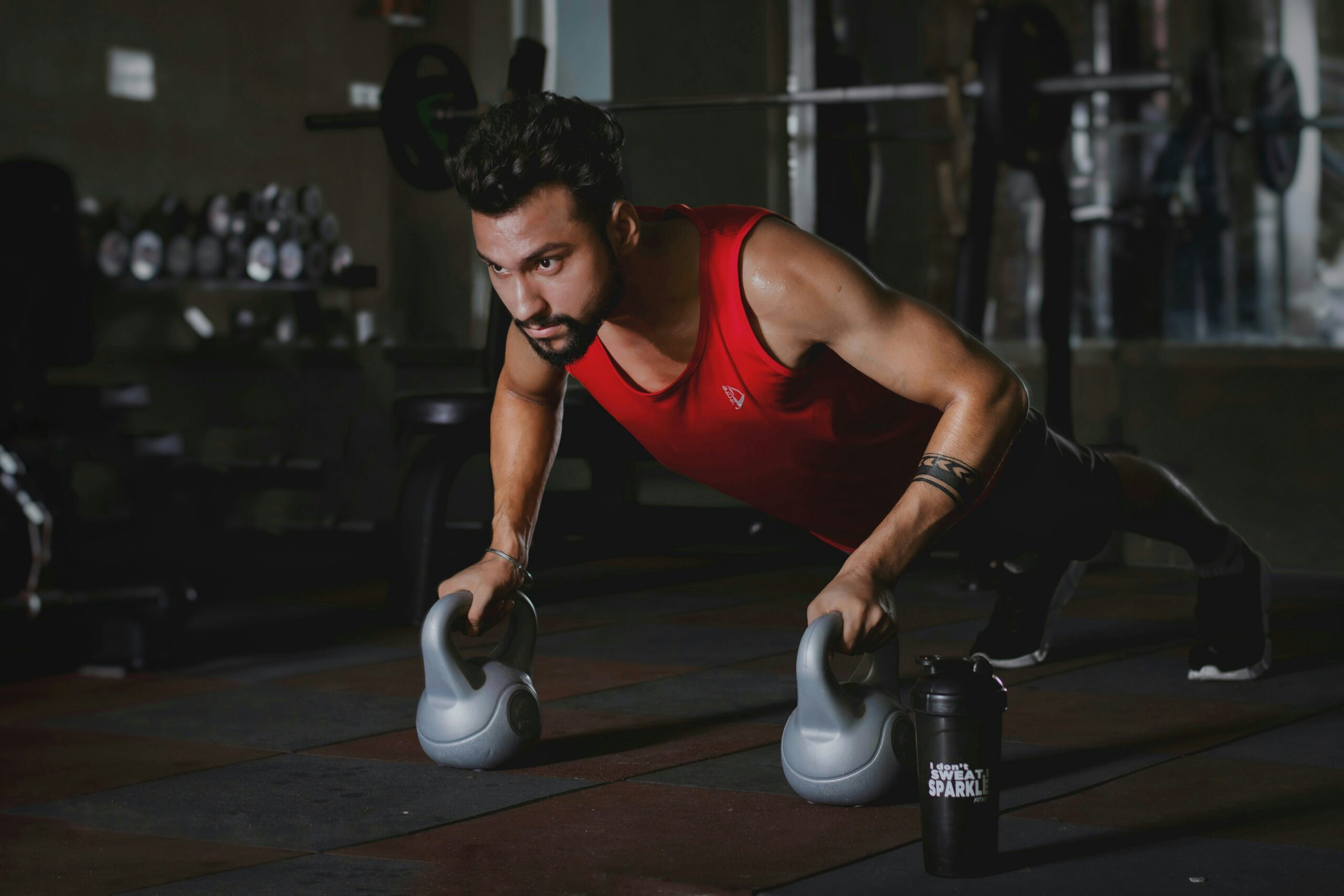
Lifting weights builds physical and mental strength. It also improves sleep and increases endorphins. Simple bodyweight exercises like squats, pushups, and lunges are a great start.
4. Group Fitness or Team Sports
Engaging in group exercise fosters social connection—an important element of recovery. Team sports, dance classes, or group workouts help reduce feelings of isolation.
Real-Life Stories: Exercise Changing Recovery Outcomes
Take John, a 34-year-old in recovery from opioid addiction. He began running during his outpatient treatment. Over time, his runs turned into daily meditation. “Running gave me back my body and my mind,” he says. “It replaced the rush I used to get from drugs with something pure.”
Or Sarah, who turned to yoga after leaving a rehab center. She now teaches beginner yoga classes for others in recovery. “Yoga taught me to feel safe in my body again,” she explains.
These stories highlight how exercise and mental health in addiction recovery go hand-in-hand.
How to Start an Exercise Habit in Recovery
If you’re new to exercise, start small and be patient with yourself. Here’s how to begin:
- Set realistic goals: 10-minute walks or 15-minute stretches are great starting points.
- Choose something you enjoy: If it feels like a chore, try another activity.
- Pair up: Exercise with a friend or join a support group that includes fitness.
- Listen to your body: Rest when needed and avoid pushing too hard.
- Track your progress: Keeping a journal or using an app helps you stay motivated.
Final Thoughts: Long-Term Sobriety Includes Movement
Sobriety isn’t just the absence of substances—it’s the presence of peace, health, and joy. Exercise is a powerful ally on that path. It strengthens the mind, supports emotional stability, and makes life without substances not only possible—but fulfilling.
By embracing exercise and mental health in addiction recovery, individuals can create a stronger foundation for lifelong wellness. Recovery is a marathon, not a sprint—but with movement, each step becomes lighter.
References:
- National Institute on Drug Abuse (NIDA). “Common Comorbidities with Substance Use Disorders.” https://nida.nih.gov
- Wang, D., Wang, Y., Wang, Y., Li, R., & Zhou, C. (2014). “Impact of physical exercise on substance use disorders: A meta-analysis.” PLOS ONE.
- Giesen, E. S., Deimel, H., & Bloch, W. (2015). “Clinical Exercise for Addiction Treatment.” Frontiers in Psychology.Journal of Alternative and Complementary Medicine, 2013. “Yoga as an Adjunct Therapy for Individuals in Addiction Recovery.”

Hi, I’m Kristi Jenkins, a passionate blogger and content writer with a love for storytelling. With years of experience in writing engaging and insightful articles, I focus on topics like mental health, lifestyle, and personal growth. My goal is to create content that inspires, educates, and connects with readers on a deeper level.