Now Reading: Daily Mindfulness Practices for Anxiety: Simple Ways to Find Calm Every Day
-
01
Daily Mindfulness Practices for Anxiety: Simple Ways to Find Calm Every Day
Daily Mindfulness Practices for Anxiety: Simple Ways to Find Calm Every Day
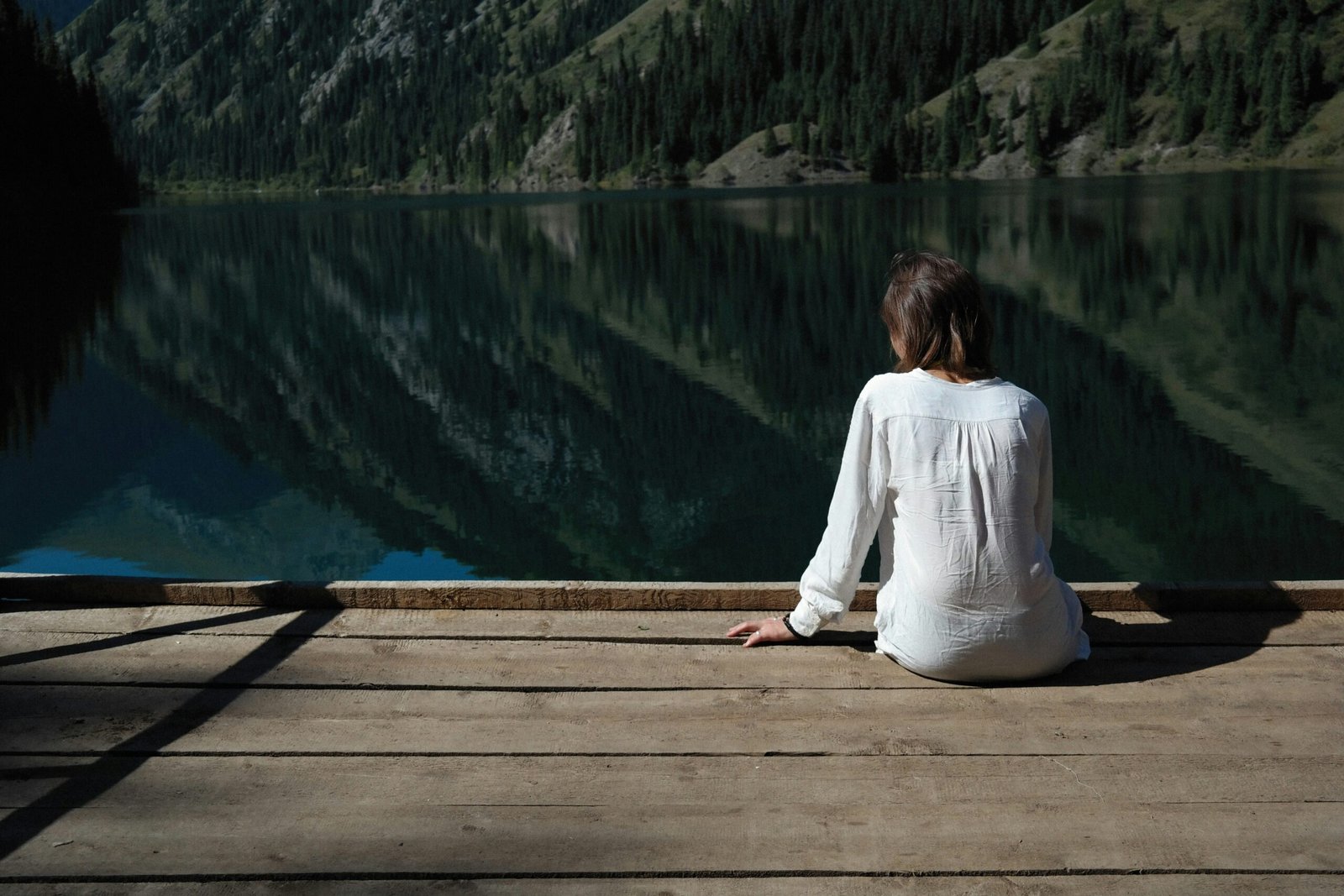
Anxiety can be overwhelming. It clouds your thoughts, tightens your chest, and steals your peace. But there’s hope—and it doesn’t require expensive therapy or hours of meditation. The secret lies in simple, consistent daily mindfulness practices for anxiety that you can do in just a few minutes a day.
This article explores easy, science-backed mindfulness habits that can reduce stress, calm your mind, and support emotional balance—starting today.
What Is Mindfulness?
Mindfulness means being present in the moment—fully aware of your thoughts, feelings, body, and surroundings without judgment. It teaches you to pause, breathe, and observe what’s happening right now instead of worrying about what’s next or replaying the past.
According to the American Psychological Association (APA), mindfulness reduces anxiety, enhances focus, and improves emotional regulation (APA, 2021).
Why Mindfulness Matters for Anxiety
Anxiety often stems from future-focused thinking—what might happen, what could go wrong. Mindfulness anchors you in the present. It creates a mental space where your thoughts slow down and your nervous system relaxes.
Practicing daily mindfulness for anxiety can:
- Lower cortisol (the stress hormone)
- Reduce symptoms of generalized anxiety disorder (GAD)
- Improve sleep and concentration
- Boost emotional resilience
A 2013 study published in JAMA Internal Medicine found that mindfulness meditation significantly reduced anxiety and depression symptoms after just eight weeks of daily practice (Goyal et al., 2014).
7 Daily Mindfulness Practices for Anxiety Relief
You don’t need to meditate for an hour each day. Even 5–10 minutes of mindfulness can make a difference. Here are seven simple practices to start incorporating into your daily routine.
1. Morning Breath Check-In (5 Minutes)
Start your day with intention. Before checking your phone or getting out of bed, sit quietly and take slow, deep breaths.
How to do it:
- Inhale deeply through your nose for 4 seconds
- Hold for 4 seconds
- Exhale slowly through your mouth for 6 seconds
- Repeat for 5 minutes
Focusing on your breath calms your nervous system and prepares your mind to handle the day ahead.
2. Mindful Shower
Turn your morning shower into a grounding ritual. Notice the sensation of the water, the smell of soap, the sound of water hitting the tiles.
Why it works:
This simple act brings your awareness into your body and out of your anxious mind.
Try saying: “I am here. I am safe. This moment is enough.” while washing.
3. The Five Senses Grounding Exercise
This is a quick and powerful tool to manage anxious thoughts anytime, anywhere.
Steps:
- Name 5 things you can see
- Name 4 things you can feel
- Name 3 things you can hear
- Name 2 things you can smell
- Name 1 thing you can taste
This practice brings you back to the present and interrupts anxious thinking loops.

4. Mindful Walking (10 Minutes)
Walking is a great way to practice mindfulness, especially if you feel restless.
Try this:
- Walk slowly and notice each step
- Pay attention to the rhythm of your breath
- Observe your surroundings without judgment
Mindful walking combines movement and presence, both of which ease anxiety.
5. Body Scan Before Bed
Anxiety often shows up in the body as tension. Doing a body scan at night helps release stress and improves sleep.
Steps:
- Lie on your back
- Start at your toes and move upward
- Notice any tension and breathe into those areas
- Continue slowly until you reach the top of your head
This is one of the most calming daily mindfulness practices for anxiety and promotes restful sleep.
6. Mindful Journaling
Spending just five minutes writing down your thoughts helps you release what’s on your mind and recognize patterns.
Try this prompt:
- “Right now, I feel…”
- “I am grateful for…”
- “Today, I will focus on…”
Journaling allows you to respond to anxiety instead of reacting to it.
7. Single-Task Focus
Most of us multitask, but it often leads to more stress. Choose one task—eating, washing dishes, or replying to emails—and do it with full attention.
Why it helps:
Single-tasking slows you down and teaches your brain to focus, reducing overwhelm.
Tips to Stay Consistent with Your Practice
Building a mindfulness habit is easier when it’s simple and enjoyable. Here’s how to stay on track:
- Start small: Even one mindful minute is better than none.
- Pair with routines: Link practices to things you already do, like brushing your teeth.
- Use reminders: Set daily phone alerts or leave sticky notes.
- Track your practice: A simple journal or app can help you stay accountable.
Real-Life Impact: Stories of Change
Alex, a college student struggling with social anxiety, started practicing mindful breathing before classes. “I used to feel panic rising in my chest,” he says. “Now, I pause and breathe—and I feel more in control.”
Samantha, a busy mom of two, added a 10-minute mindful walk to her afternoon routine. “It clears my head and gives me space to breathe between work and family demands,” she shares.
These stories show how small daily habits can bring real emotional relief.
Final Thoughts: Make Mindfulness Part of Your Everyday Life
You don’t need a meditation cushion or silent retreat to feel calm. Just a few minutes of daily mindfulness practices for anxiety can help you reset, refocus, and reduce stress.
By making mindfulness a daily habit, you build inner strength, emotional balance, and greater awareness. Over time, you’ll respond to anxiety with compassion instead of fear.
So take a breath, notice your body, and come back to now. This moment is where your healing begins.
References
- American Psychological Association (APA). “Mindfulness Improves Mental Health.” 2021. https://www.apa.org
- Goyal, M., et al. (2014). “Meditation Programs for Psychological Stress and Well-being.” JAMA Internal Medicine.
- Harvard Health Publishing. “Mindfulness Meditation May Ease Anxiety, Mental Stress.” 2020. https://www.health.harvard.edu

Hi, I’m Kristi Jenkins, a passionate blogger and content writer with a love for storytelling. With years of experience in writing engaging and insightful articles, I focus on topics like mental health, lifestyle, and personal growth. My goal is to create content that inspires, educates, and connects with readers on a deeper level.