Now Reading: Benefits of Dancing for Kids: Why Dance Supports Healthy Growth
-
01
Benefits of Dancing for Kids: Why Dance Supports Healthy Growth
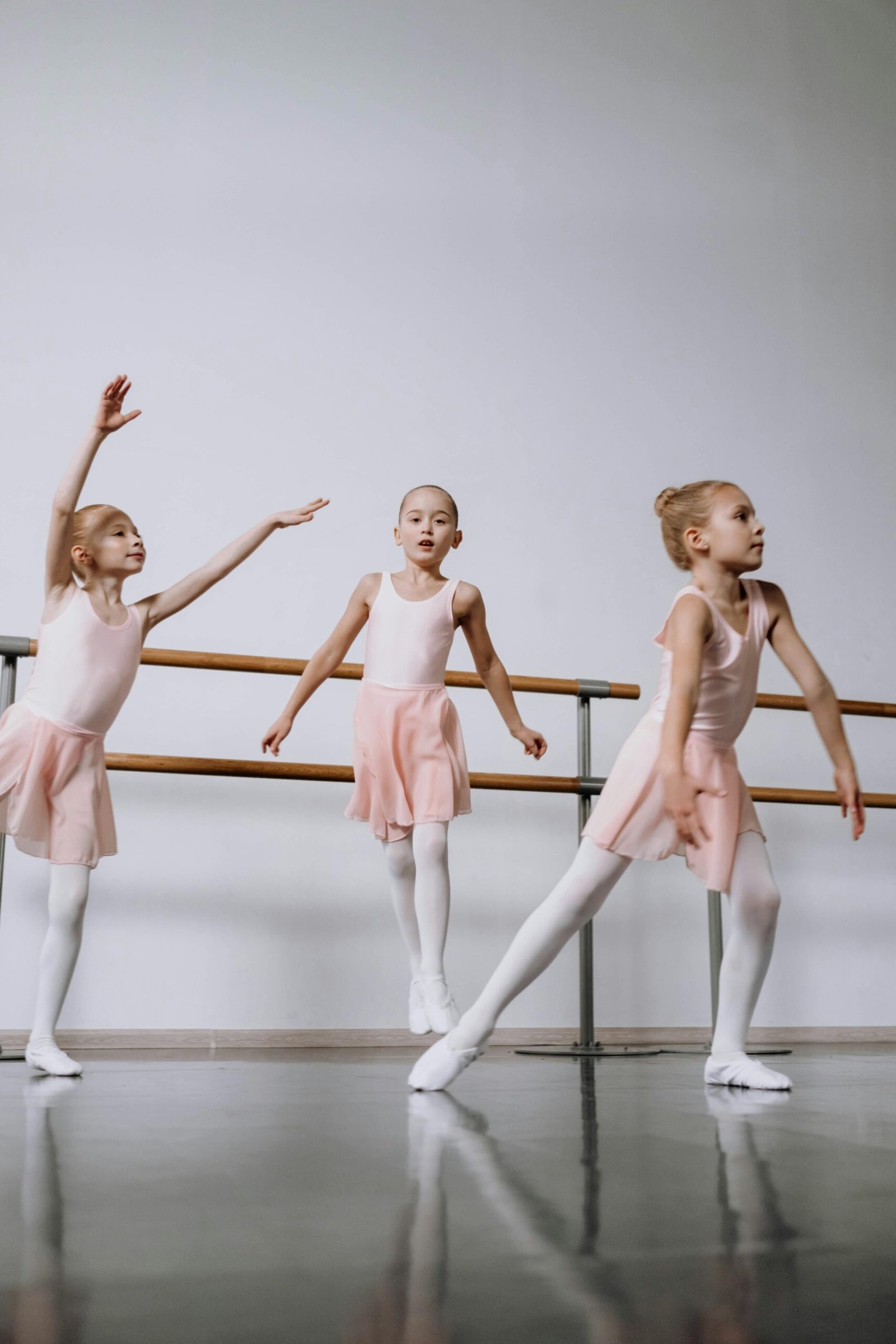
Kids love to move, jump, and explore. Dancing channels this energy into a fun activity that helps them grow physically and mentally. Beyond just entertainment, dance helps children get stronger, think creatively, and express their feelings in positive ways.
Dance helps kids stay active, especially now when many spend more time on screens than moving around. The Centers for Disease Control and Prevention (CDC) recommends at least 60 minutes of physical activity each day for healthy growth. Dancing is a fun way for kids to reach this goal.
https://www.cdc.gov/physicalactivity/basics/children
For these reasons, many parents and teachers now see dance as an important part of growing up.
Why Dancing Is Important for Children
Dance brings together movement, rhythm, creativity, and learning. Unlike some sports, dance lets kids explore how they move and express their feelings and ideas. This freedom makes dance both fun and educational.
One big benefit of dance is that it helps kids grow in many ways at once. They get fitter while also building mental and emotional skills.
Dance also encourages discipline and patience. Learning new routines or steps teaches children that improvement takes time and practice. Over time, these experiences help children develop confidence and resilience.
Physical Benefits of Dancing for Kids
The physical benefits of dance are easy to see. Dancing helps kids move in ways that build strength, coordination, and flexibility.
Improves Strength and Flexibility
Dance routines include stretching, bending, and balancing. These moves make muscles stronger and help kids become more flexible.
With regular practice, kids get stronger and more coordinated. This shows how dance supports healthy physical growth.
Supports Cardiovascular Health
Dance is a great way to get aerobic exercise. Fast moves and steady activity raise the heart rate and build endurance.
The American Heart Association says regular physical activity helps kids keep their hearts healthy and lowers the risk of health problems later on.
https://www.heart.org
Since dance keeps kids moving, it helps them stay healthy and fit over time.
Improves Balance and Coordination
When kids learn dance routines, they have to control their movements and coordinate their arms, legs, and body with the music.
This coordination helps kids improve their balance and body awareness, which are useful for many other activities.
Cognitive Benefits of Dancing for Kids
Dance also helps kids’ brains develop. It mixes music, movement, and memory, which gets different parts of the brain working together.
Improves Memory and Focus
When kids learn dance routines, they have to remember steps and sequences. This practice builds their memory and focus.
These mental exercises show that dance helps kids grow not just physically, but mentally too.
Boosts Brain Development
Dance gives the brain a special workout. Kids listen to music, follow the beat, and move their bodies all at once.
Research in Frontiers in Psychology shows that dance activities can boost thinking skills and brain function.
https://www.frontiersin.org/articles/10.3389/fpsyg.2019.00969
Encourages Creativity
Dance lets kids express themselves by moving. They don’t just follow instructions—they can make up their own moves and ideas.
This creativity is one of the best parts of dance, helping kids use their imagination and express themselves.
Emotional Benefits of Dancing for Kids
Dance also helps kids grow emotionally. It gives them a safe and fun way to express their feelings.
Builds Self-Confidence
When kids learn and perform dance routines, they feel proud of what they achieve. Every new step they master makes them more confident.
Kids who dance often feel proud as they improve. This boost in confidence is one of dance’s most important benefits.
Reduces Stress and Anxiety
Moving to music can calm kids and help them let go of stress. Dancing gives them a healthy way to use up energy and feel better.
Being active also releases endorphins, which are brain chemicals that help improve mood.
Improves Mood
Kids often feel happier after dancing. Music, movement, and being with others all help create good feelings.
These emotional benefits are a big reason why many experts suggest dance for children’s wellbeing.
Social Benefits of Dancing for Kids
Dance also helps kids build social skills. In dance classes, kids often work together and support each other in groups.
Through these group activities, kids learn teamwork, cooperation, and how to communicate. They also make friends with others who like dance too.
Dance teachers often encourage discipline and respect. Students learn to listen, follow instructions, and work toward shared goals.
These social experiences make dance an important way to build confidence and connect with the community.
Why Early Exposure to Dance Matters
Starting dance at an early age helps children develop healthy habits. Early exposure allows kids to become comfortable with movement and physical activity.
The earlier children begin dancing, the more time they have to enjoy the benefits of dancing. These benefits include stronger muscles, better coordination, and improved emotional well-being.
Dancing early also builds confidence. Kids learn that trying new things can be fun and rewarding.
Over time, these lessons help kids stay healthy and keep growing as people.
Tips for Encouraging Kids to Start Dancing
Parents and caregivers can help kids enjoy the benefits of dance in a few simple ways.
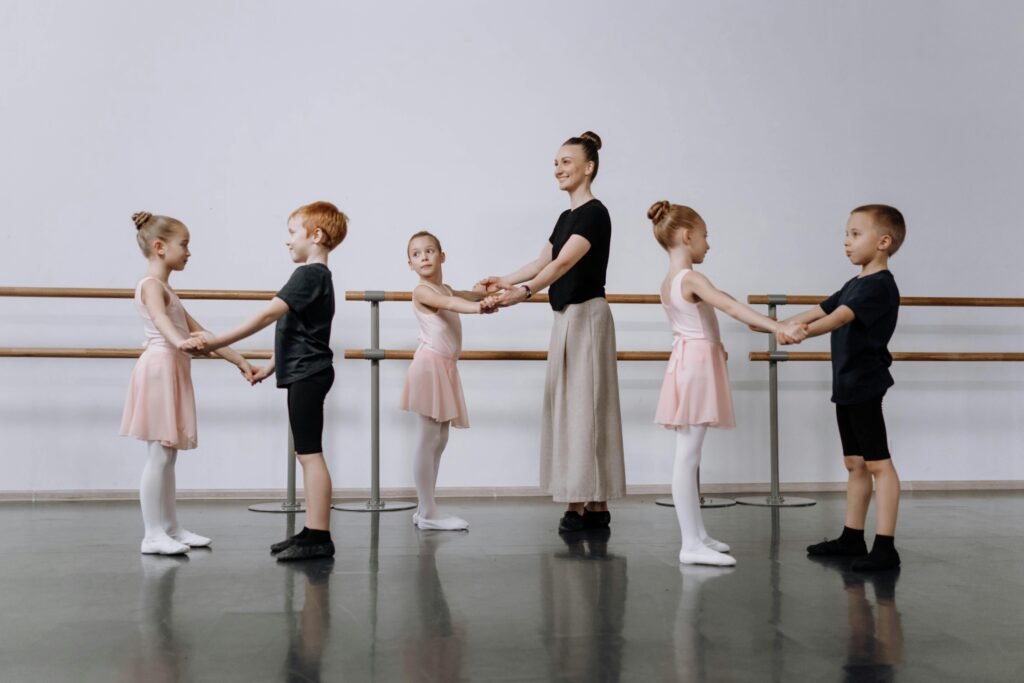
First, consider enrolling children in beginner dance classes. These classes provide structured learning while allowing kids to have fun.
Second, encourage dancing at home. Play music and dance together to make being active more fun.
Let kids try different dance styles like ballet, hip-hop, or creative dance. This variety keeps things exciting and interesting.
Most importantly, focus on enjoyment rather than perfection. When children associate dance with fun, they are more likely to continue participating.
Video: Dance and Child Development
This video from ThinkTube, a trusted educational group, explains how dance helps kids grow in healthy ways.
Conclusion
Dance is more than just fun. It helps kids stay healthy, grow mentally, feel good emotionally, and build social skills.
Dancing helps kids build stronger muscles, improve memory, get better coordination, and feel more confident. It also sparks creativity and helps them make real friends.
When parents and teachers encourage kids to dance, they help them grow in a fun and positive way. With regular practice, kids can enjoy the lifelong benefits of dance and build healthy, happy habits.
References
Centers for Disease Control and Prevention – Physical Activity for Children
https://www.cdc.gov/physicalactivity/basics/children
American Heart Association – Physical Activity and Kids
https://www.heart.org
Frontiers in Psychology – Dance and Cognitive Function
https://www.frontiersin.org/articles/10.3389/fpsyg.2019.00969
PBS Parents – Child Development Resources
https://www.pbs.org/parents
National Institutes of Health – Physical Activity and Children
https://www.nih.gov

Hi, I’m Kristi Jenkins, a passionate blogger and content writer with a love for storytelling. With years of experience in writing engaging and insightful articles, I focus on topics like mental health, lifestyle, and personal growth. My goal is to create content that inspires, educates, and connects with readers on a deeper level.