Now Reading: Ashwagandha for Depression: A Natural Path Toward Emotional Balance
-
01
Ashwagandha for Depression: A Natural Path Toward Emotional Balance
Depression affects millions of people worldwide, touching lives in deep and painful ways. According to the World Health Organization (WHO), more than 280 million people globally live with depression, making it one of the most common mental health conditions today. While therapy and medication remain essential treatments, many people also explore natural remedies to support their emotional well-being. One herbal supplement gaining attention is Ashwagandha. In this article, you will learn how Ashwagandha for depression may help reduce symptoms, support stress relief, and promote a calmer mind.
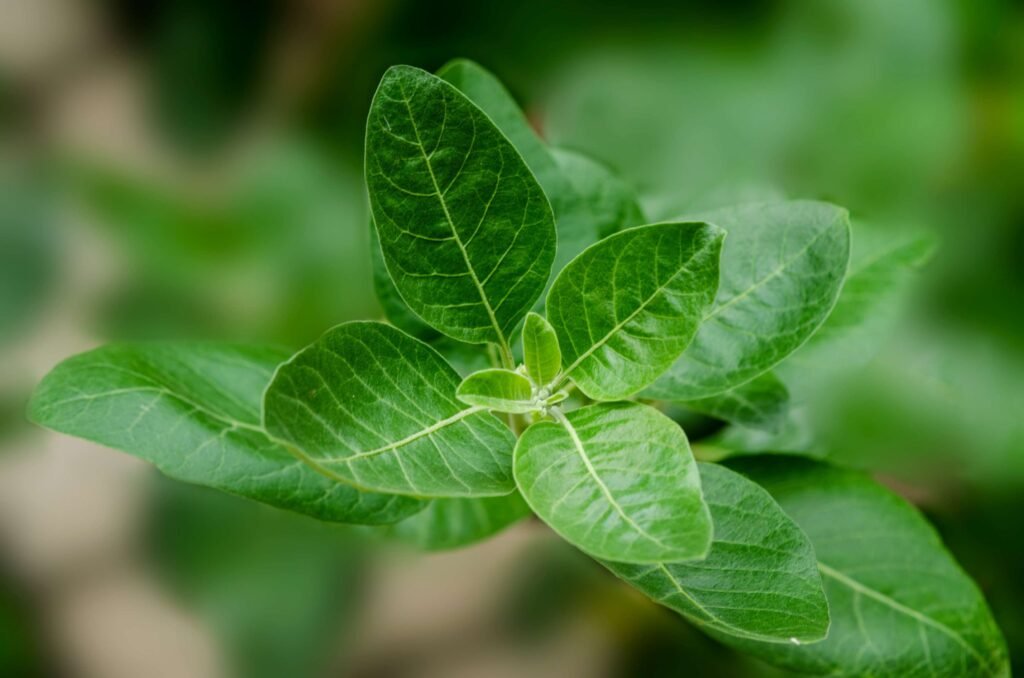
What Is Ashwagandha?
Ashwagandha, also known as Withania somnifera or Indian ginseng, is an ancient herb used for over 3,000 years in Ayurvedic medicine. It belongs to a group of herbs called adaptogens. Adaptogens help the body respond better to stress, fatigue, and mental strain.
People have traditionally used Ashwagandha to improve energy, strengthen the immune system, and balance mood. Today, modern research focuses on its potential benefits for anxiety, stress, and depression. This is why conversations about Ashwagandha for depression continue to grow, especially among people seeking natural, holistic support.
How Ashwagandha Affects the Brain
The calming effects of Ashwagandha start with how it interacts with your stress response. When you feel stressed, your body produces cortisol, also called the “stress hormone.” High cortisol levels can lead to anxiety, fatigue, mood swings, and feelings of hopelessness.
Several studies show that Ashwagandha can help lower cortisol. One clinical study published in the Indian Journal of Psychological Medicine found that adults taking Ashwagandha experienced up to a 27% reduction in cortisol levels compared to those taking a placebo.
This reduction in stress hormones is one of the biggest reasons experts explore Ashwagandha for depression as a natural support tool. When cortisol decreases, your mood becomes more stable, and your body feels less overwhelmed.
Scientific Research on Ashwagandha for Depression
Research on Ashwagandha’s effects on depression is promising. A 2019 randomized controlled trial reported that participants who took Ashwagandha for eight weeks experienced reduced symptoms of depression, anxiety, and stress. This improvement likely comes from Ashwagandha’s ability to balance neurotransmitters like serotonin and GABA, which play important roles in emotional stability.
Another study published in Phytomedicine in 2021 found that Ashwagandha improved sleep quality and reduced tension in people with chronic stress. Sleep problems often worsen depressive symptoms, so better sleep can support emotional recovery.
While research is ongoing, most findings suggest that Ashwagandha for depression works best as a complementary approach, not a replacement for medical treatment. People often combine Ashwagandha with therapy, lifestyle changes, and other treatments recommended by mental health professionals.
Benefits of Using Ashwagandha for Depression
1. Reduces Stress and Anxiety
Stress and depression often go hand in hand. Ashwagandha helps regulate cortisol, giving your body a calmer foundation. Many people report feeling more relaxed and less overwhelmed after consistent use.
2. Improves Mood and Emotional Stability
Ashwagandha influences neurotransmitters linked to joy, calmness, and motivation. This can help reduce irritability, sadness, and emotional exhaustion.
3. Supports Better Sleep
Poor sleep increases depression risk. Ashwagandha’s calming effect helps you fall asleep faster and enjoy deeper rest.
4. Boosts Energy Levels
Depression often drains energy. Ashwagandha helps balance the nervous system, giving you a more stable and natural level of energy throughout the day.
5. Helps With Brain Fog
Many people with depression experience difficulty concentrating. Ashwagandha may improve focus and mental clarity by reducing stress and inflammation in the brain.
How to Take Ashwagandha for Depression
Ashwagandha comes in several forms, including:
- Capsules
- Powders
- Liquid extracts
- Gummies
- Tea
Most studies recommend 300–600 mg per day of a high-quality, standardized extract. Many people start with a low dose and increase slowly depending on how their body reacts.
You can take Ashwagandha in the morning to support daytime energy or in the evening to promote calm and restful sleep. Consistency is key. For best results, people usually take Ashwagandha daily for 6–12 weeks.
Always choose products from trusted brands with third-party testing. This ensures purity and safety.
Possible Side Effects
Ashwagandha is generally safe for most people, but some may experience mild side effects such as:
- Upset stomach
- Drowsiness
- Diarrhea
- Headache
Pregnant or breastfeeding women should avoid Ashwagandha. People with thyroid issues or autoimmune conditions should speak with a healthcare provider before taking it.
If you already take antidepressants or other medications, consult your doctor first. Herbal supplements may interact with prescription drugs.
Who Should Consider Ashwagandha for Depression?
Ashwagandha may help if you:
- Feel stressed or overwhelmed
- Experience mild to moderate depression
- Struggle with anxiety symptoms
- Want natural support alongside therapy or medication
- Have trouble sleeping
- Deal with constant fatigue or brain fog
While Ashwagandha for depression can be helpful, it should not replace professional mental health care, especially for severe symptoms such as suicidal thoughts, extreme sadness, or loss of interest in daily activities. Always seek help from a licensed therapist or doctor when needed.
Tips to Maximize the Benefits of Ashwagandha
To make the most of Ashwagandha for depression, combine it with healthy lifestyle habits, including:
- A balanced diet rich in whole foods
- Regular exercise, even simple walks
- Mindfulness or meditation
- Deep breathing exercises
- Quality sleep
- Social connection with supportive people
These habits strengthen your mental health and support Ashwagandha’s calming effects.
Final Thoughts
Ashwagandha is a powerful herb with a long history in natural medicine. Today, research continues to grow around Ashwagandha for depression, showing encouraging results for stress relief, mood improvement, and better sleep. While it is not a cure, it can be a valuable part of a holistic mental wellness plan. When used alongside therapy, lifestyle changes, and professional guidance, Ashwagandha may help you rebuild balance and emotional resilience.
If you are considering Ashwagandha, speak with your doctor to ensure it fits safely into your mental health journey. With mindful use, this ancient herb may offer gentle, meaningful support on your path toward healing.

Hi, I’m Kristi Jenkins, a passionate blogger and content writer with a love for storytelling. With years of experience in writing engaging and insightful articles, I focus on topics like mental health, lifestyle, and personal growth. My goal is to create content that inspires, educates, and connects with readers on a deeper level.