Now Reading: Art Journaling for Mental Health: A Creative Path to Emotional Healing
-
01
Art Journaling for Mental Health: A Creative Path to Emotional Healing
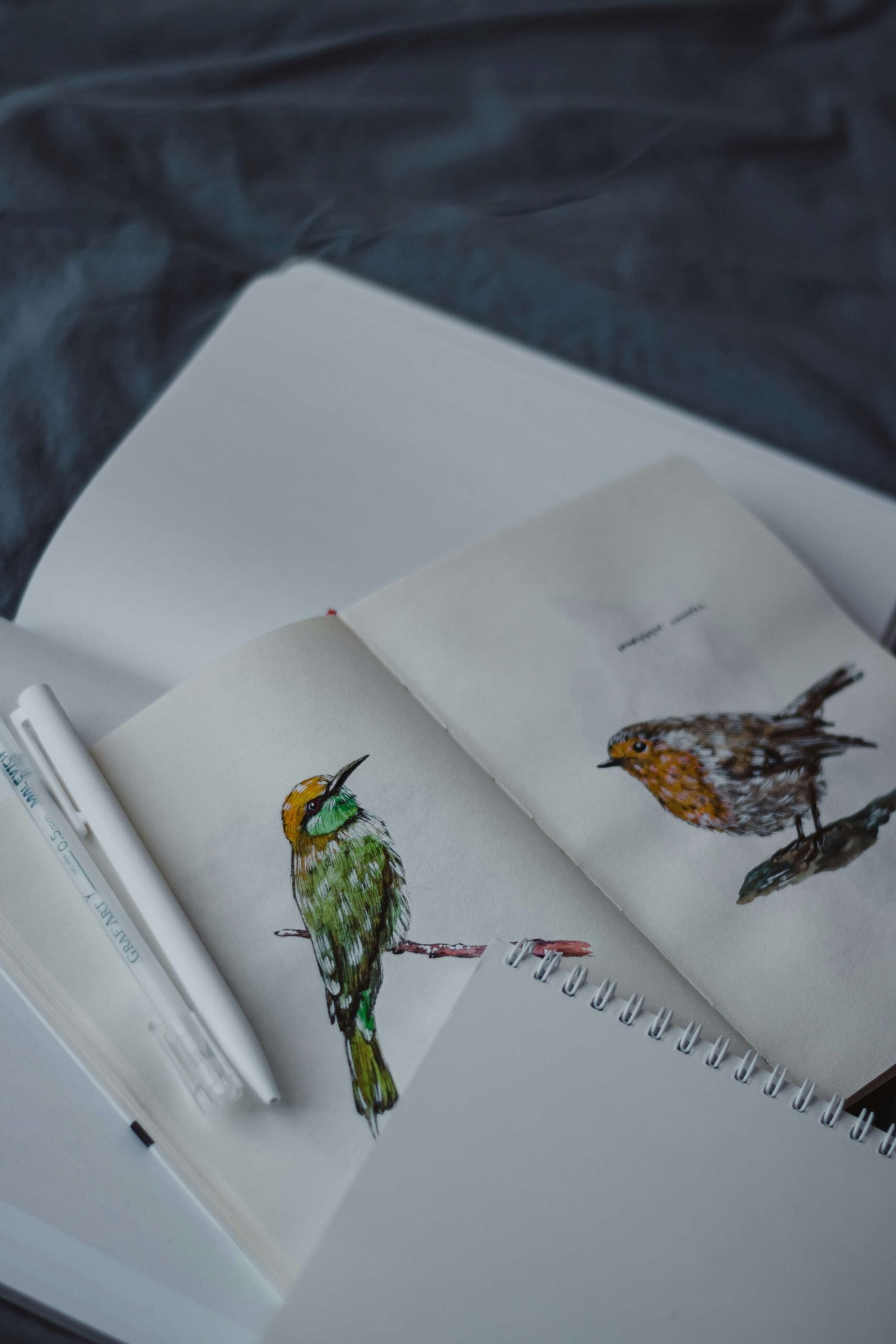
Art journaling for mental health has become a gentle and effective way for people to express their emotions, manage stress, and reconnect with themselves. This simple practice blends writing with creative art, making it a powerful tool for emotional healing. You don’t need to be an artist or a writer to benefit from it. You just need a notebook, some colors, and the willingness to explore your inner world.
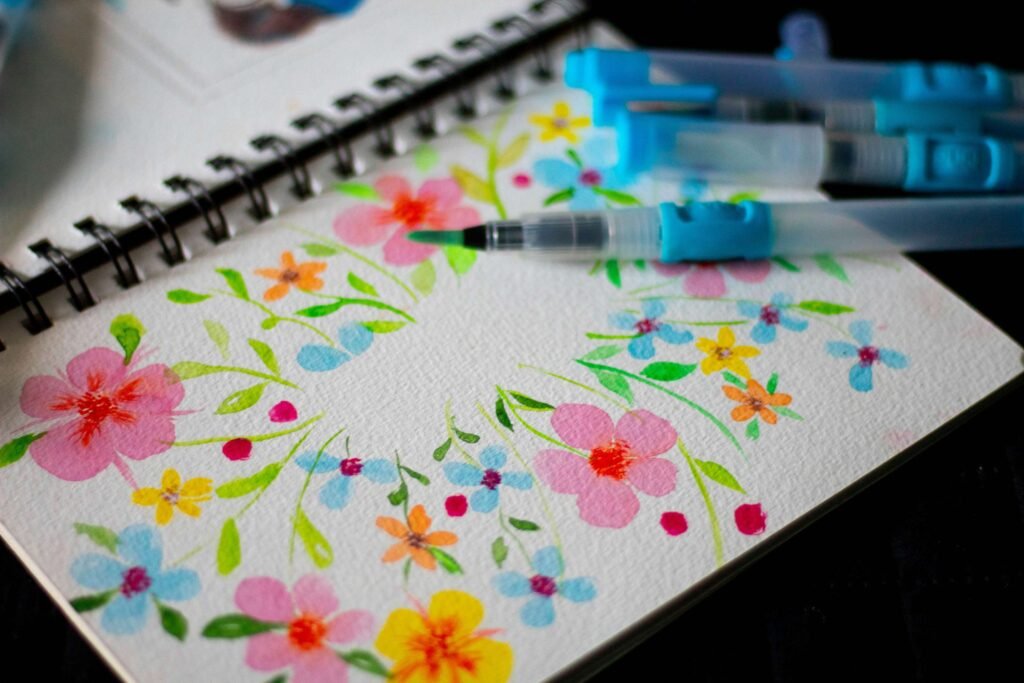
In this article, we will explore how art journaling for mental health works, why it helps, practical techniques you can use, and the science behind its benefits.
What Is Art Journaling for Mental Health?
Art journaling for mental health is a creative practice that combines drawing, painting, doodling, collage, and writing in one place. It allows you to express emotions visually and verbally. The goal isn’t to create perfect art. The goal is to understand your feelings, relieve emotional pressure, and find clarity.
Many therapists today encourage art journaling for mental health because it helps people express emotions that are difficult to put into words. According to the American Art Therapy Association, creative activities can support emotional well-being, reduce anxiety, and improve self-esteem (AATA, 2023).
Why Art Journaling Helps the Mind
1. It Reduces Stress and Anxiety
Art journaling for mental health helps calm the mind. Creative expression lowers cortisol, the stress hormone. A study published in Arts & Health found that 45 minutes of creative activity significantly reduces stress levels in adults (Kaimal et al., 2016). When you draw or paint, your brain shifts away from stress triggers and moves into a relaxed, mindful state.
2. It Improves Emotional Awareness
Sometimes emotions feel confusing or overwhelming. Art journaling for mental health gives you a safe space to explore those emotions. When you put your feelings onto paper with colors, symbols, and words, you understand them better. This awareness helps you handle emotions more effectively in daily life.
3. It Encourages Mindfulness
Art journaling naturally brings you into the present moment. As you focus on shapes, lines, or colors, your mind becomes quiet. This mindful state supports mental clarity, emotional balance, and greater resilience.
4. It Supports Healing and Self-Expression
People often find it easier to draw their feelings instead of talking about them. Art journaling for mental health helps release stored emotions and promotes healing. This process can be especially helpful for people dealing with trauma, stress, grief, or anxiety.
Simple Ways to Start Art Journaling for Mental Health
You don’t need expensive supplies to begin. A simple notebook, pen, and a set of colors are enough. Below are beginner-friendly methods to help you get started.
1. Color Your Emotions
Choose colors that match how you feel.
- Blue for calm
- Red for anger
- Yellow for happiness
- Green for hope
Scribble, paint, or blend them freely. This exercise in art journaling for mental health helps you release emotional tension.
2. Do a “Brain Dump” Page
Write every thought that’s on your mind. Don’t worry about grammar or structure. After writing, add doodles or colors around the text. This clears mental clutter and improves focus.
3. Create a Gratitude Collage
Cut out images from magazines or print pictures that represent gratitude. Glue them into your journal. Studies show that gratitude practices can increase happiness by up to 25% (Emmons & McCullough, 2003). Combining gratitude with art amplifies emotional well-being.
4. Use Prompts to Express Yourself
Try prompts like:
- “Today I feel…”
- “What I need right now is…”
- “If my emotions were a landscape…”
Write your answer and then draw or paint around it. Prompts make art journaling for mental health easier and more meaningful.
5. Draw Your Safe Space
Create an image of a place where you feel calm and protected. It can be real or imaginary. This helps train your brain to find peace, even during stressful days.
6. Track Your Mood Through Colors
Create a monthly mood chart. Assign each mood a color and fill a small square for each day. This visual log helps you understand emotional patterns.
The Science Behind Art Journaling for Mental Health
Art journaling for mental health works because it engages multiple parts of the brain at once. Neuroscientists explain that creativity activates the prefrontal cortex, which helps with emotional regulation, planning, and problem-solving. At the same time, art stimulates the reward system, releasing dopamine—the “feel-good” chemical.
A study published in Psychology of Aesthetics, Creativity, and the Arts found that creating art, even for 20 minutes, increases positive emotions and supports psychological well-being (Drake & Winner, 2012). This proves why art journaling for mental health has such a soothing effect on the mind.
Art activities also reduce activity in the amygdala, the part of the brain responsible for fear and anxiety. This means that when you journal creatively, you give your brain time to rest and recover from emotional overload.
How Art Journaling Supports Long-Term Mental Wellness
When practiced regularly, art journaling for mental health becomes a powerful long-term support system. Here’s how:
It Builds Emotional Resilience
By expressing your emotions regularly, you handle stress more easily.
It Strengthens Self-Awareness
You start understanding your triggers, patterns, and emotional needs.
It Encourages Personal Growth
Your journal becomes a timeline of healing, growth, and self-discovery.
It Improves Mood and Motivation
Seeing your progress visually boosts confidence and positivity.
Tips to Make Art Journaling for Mental Health a Habit
- Set aside 10 minutes a day
- Keep your journal visible
- Don’t aim for perfection
- Try different mediums (markers, watercolors, stickers)
- Use soft music to relax while creating
- Follow online art journaling communities for inspiration
Consistency matters more than artistic skill. The more you practice art journaling for mental health, the more benefits you experience.
Final Thoughts
Art journaling for mental health is a simple yet powerful way to care for your emotional well-being. It helps you express your feelings, reduce stress, and find clarity in a creative and enjoyable way. Whether you’re dealing with anxiety, emotional overwhelm, or just need a peaceful activity, art journaling can support your journey toward better mental health.
You don’t need to be perfect. You just need to begin. Pick up your journal today, explore your emotions with color and creativity, and let the healing process unfold naturally.

Hi, I’m Kristi Jenkins, a passionate blogger and content writer with a love for storytelling. With years of experience in writing engaging and insightful articles, I focus on topics like mental health, lifestyle, and personal growth. My goal is to create content that inspires, educates, and connects with readers on a deeper level.