Now Reading: Natural Stress Relief Supplements That Actually Work
-
01
Natural Stress Relief Supplements That Actually Work
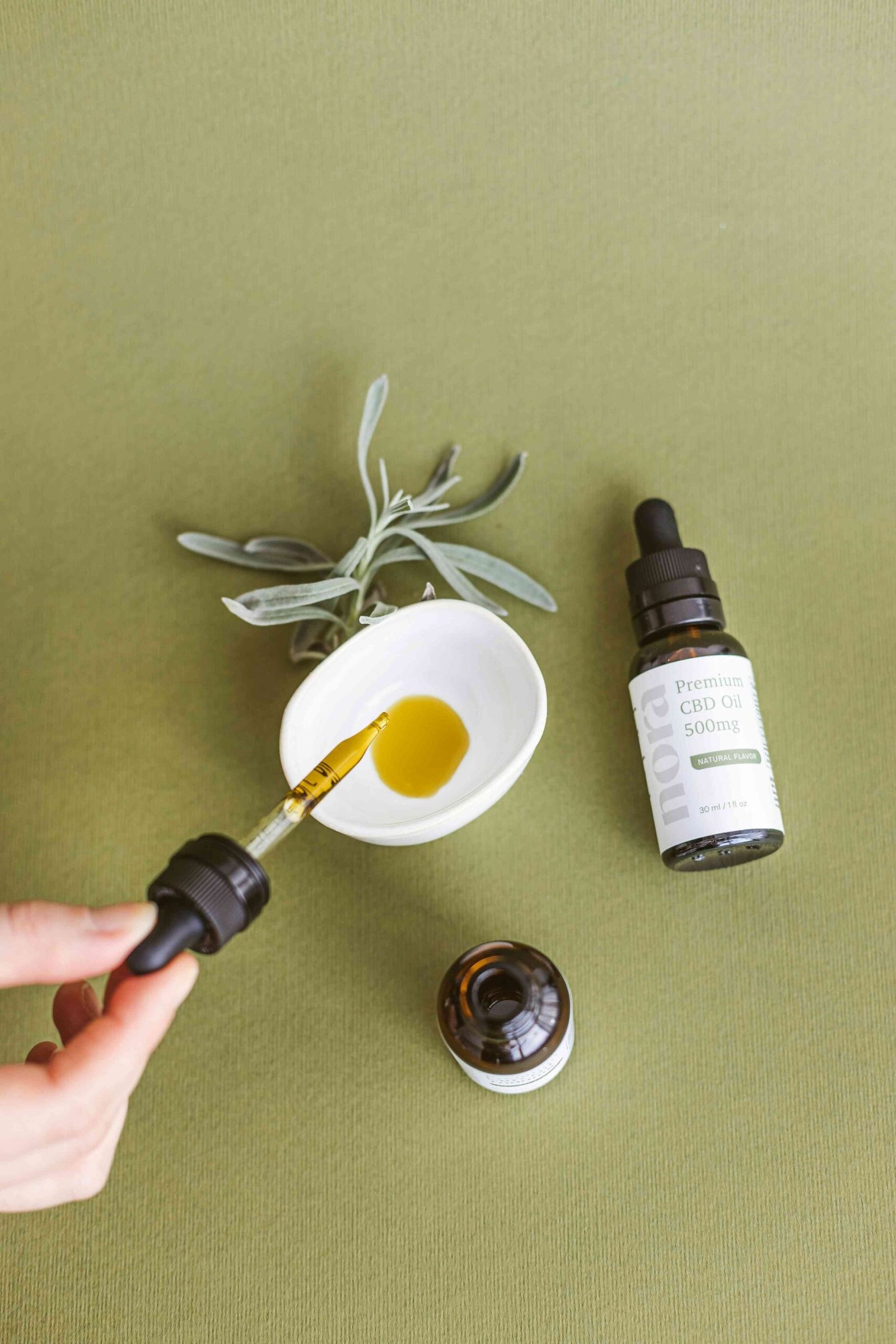
Almost everyone feels stressed at times. Work, family, money concerns, and too much screen time can wear you down. While changing your habits is most important, natural stress relief supplements can help when stress becomes too much.
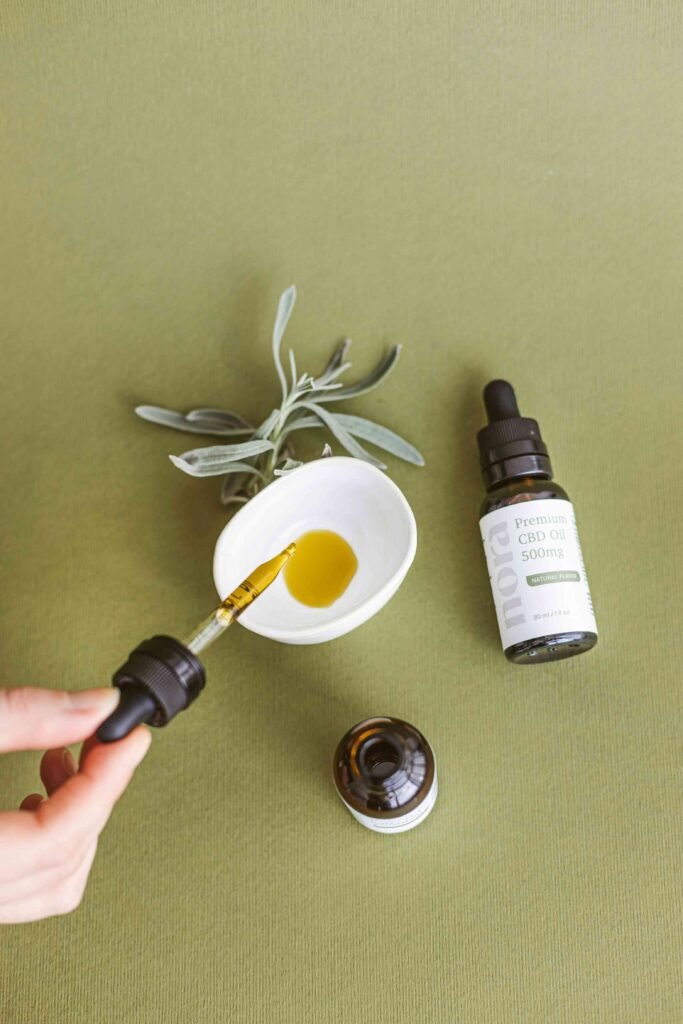
Supplements are not a substitute for therapy, good sleep, or healthy routines. They can help balance stress hormones, calm your nerves, and make you more resilient. Used properly, natural stress relief supplements offer gentle, science-based support for daily stress.
What Is Stress and How Does It Affect the Body?
Stress is how your body reacts to challenges or threats. A little stress can help you focus, but too much for too long keeps cortisol high. This can hurt your sleep, digestion, mood, and immune system over time.
According to the American Psychological Association, more than 77% of adults regularly experience physical symptoms caused by stress, such as fatigue, headaches, and muscle tension (APA). Chronic stress also increases the risk of anxiety and burnout.
How Natural Stress Relief Supplements Work
Natural stress-relief supplements support key systems involved in the stress response. Some nutrients calm the nervous system, while others help regulate cortisol or improve sleep quality.
Most natural stress relief supplements work by:
- Supporting neurotransmitters like GABA and serotonin
- Reducing inflammation linked to chronic stress
- Improving sleep and relaxation
- Enhancing the body’s ability to adapt to stress
They work best when you use them along with healthy habits, not on their own.
What to Know Before Taking Stress Supplements
Safety, Dosage, and Quality
Pick supplements that have been tested by independent labs. Don’t take large doses, and start with the smallest amount that works. Remember, natural doesn’t always mean safe.
Who Should Be Extra Cautious
Pregnant individuals, people with thyroid disorders, or those taking antidepressants should speak with a healthcare provider before using natural stress relief supplements.
Best Natural Stress Relief Supplements Backed by Science
Magnesium for Stress Relief
Magnesium plays a major role in calming the nervous system. It helps relax muscles, reduce tension, and support sleep quality.
Research from the National Institutes of Health links magnesium deficiency to increased stress and anxiety symptoms (NIH). Magnesium glycinate and magnesium threonate work best for stress support.
Ashwagandha (Withania somnifera)
Ashwagandha is a popular adaptogen. It helps your body handle stress by lowering cortisol and making you more resilient.
A randomized controlled trial published in the Journal of Clinical Psychiatry found that people taking ashwagandha experienced up to a 30% reduction in cortisol levels compared to placebo. This makes it one of the most-studied natural stress-relief supplements.
Vitamin B-Complex for Stress Support
B vitamins support energy production and nervous system function. Chronic stress depletes B vitamins faster, especially B6, B9, and B12.
A study in the journal Nutrients showed that B-complex supplementation reduced workplace stress by 20% over 12 weeks. This makes B-complex a foundational option among natural stress relief supplements.
Omega-3 Fatty Acids
Omega-3 fatty acids are good for your brain and help lower inflammation. Stress and inflammation often happen together.
Research published in Brain, Behavior, and Immunity shows omega-3s help reduce stress-related inflammation and emotional reactivity. Fish oil supplements with EPA and DHA provide the strongest benefit.
L-Theanine for Calm Focus
L-theanine is an amino acid in green tea. It helps you relax but won’t make you sleepy.
Studies show L-theanine increases alpha brain waves, which support calm focus and mental clarity. Many people use it during daytime stress when they want calm without sedation.
Chamomile for Gentle Stress Relief
Chamomile has gentle calming effects and can help with digestion and sleep. It’s a good choice if you are sensitive to stronger supplements.
A clinical study published in Phytomedicine found that chamomile extract reduced anxiety symptoms in adults with mild to moderate anxiety. It remains a gentle, natural stress-relief supplement option.
GABA Supplements
GABA is the main calming chemical in your brain. Taking GABA supplements may help you relax, especially at night.
Research is mixed, but some people sleep better and feel less tense when they use GABA carefully.
Melatonin When Stress Disrupts Sleep
Stress often disrupts the circadian rhythm. Melatonin helps regulate sleep-wake cycles rather than directly reducing stress.
The Sleep Foundation notes that melatonin improves sleep onset in people with stress-related insomnia (Sleep Foundation). Better sleep supports overall stress recovery.
Supplements to Avoid or Use With Caution
Be careful with some supplements. Kava can harm your liver, and valerian may interact with sedatives. Don’t mix calming supplements unless a professional says it’s safe.
Can You Combine Natural Stress Relief Supplements?
Evidence-Based Combinations
Safe combinations include:
- Magnesium + B-complex
- Ashwagandha + omega-3s
- L-theanine + magnesium
Avoid stacking multiple adaptogens or sedatives without professional advice.
Natural Stress Relief Supplements vs Lifestyle Changes
Natural stress relief supplements are most effective when you use them along with:
- Regular sleep
- Gentle exercise
- Balanced nutrition
- Therapy or mindfulness practices
Supplements can help you recover, but they can’t take the place of healthy habits.
How to Get Started Safely
Begin by noticing how stress affects you, such as your sleep, focus, tension, or mood. Pick one supplement to try and watch for changes over 2 to 4 weeks. Make changes slowly and stick with your plan.
Helpful Video Resource
Andrew Huberman explains stress and coping strategies in this video:
Final Thoughts on Natural Stress Relief Supplements
Stress can seem impossible to avoid, but there are ways to get support. If you choose carefully, natural stress relief supplements can help calm your nerves, improve sleep, and boost your resilience. Use them wisely, keep learning, and remember that patience works better than quick fixes.
References
- American Psychological Association – Stress Statistics
https://www.apa.org/topics/stress - National Institutes of Health – Magnesium Fact Sheet
https://ods.od.nih.gov/factsheets/Magnesium-HealthProfessional/ - Nutrients Journal – B Vitamins and Stress
https://www.ncbi.nlm.nih.gov/pmc/articles/PMC6770011/ - Sleep Foundation – Melatonin and Sleep
https://www.sleepfoundation.org/melatonin - Journal of Clinical Psychiatry – Ashwagandha and Cortisol
https://pubmed.ncbi.nlm.nih.gov/31517876/

Hi, I’m Kristi Jenkins, a passionate blogger and content writer with a love for storytelling. With years of experience in writing engaging and insightful articles, I focus on topics like mental health, lifestyle, and personal growth. My goal is to create content that inspires, educates, and connects with readers on a deeper level.