Now Reading: Breathing Exercises for Depression: Simple Tools That Support Healing
-
01
Breathing Exercises for Depression: Simple Tools That Support Healing
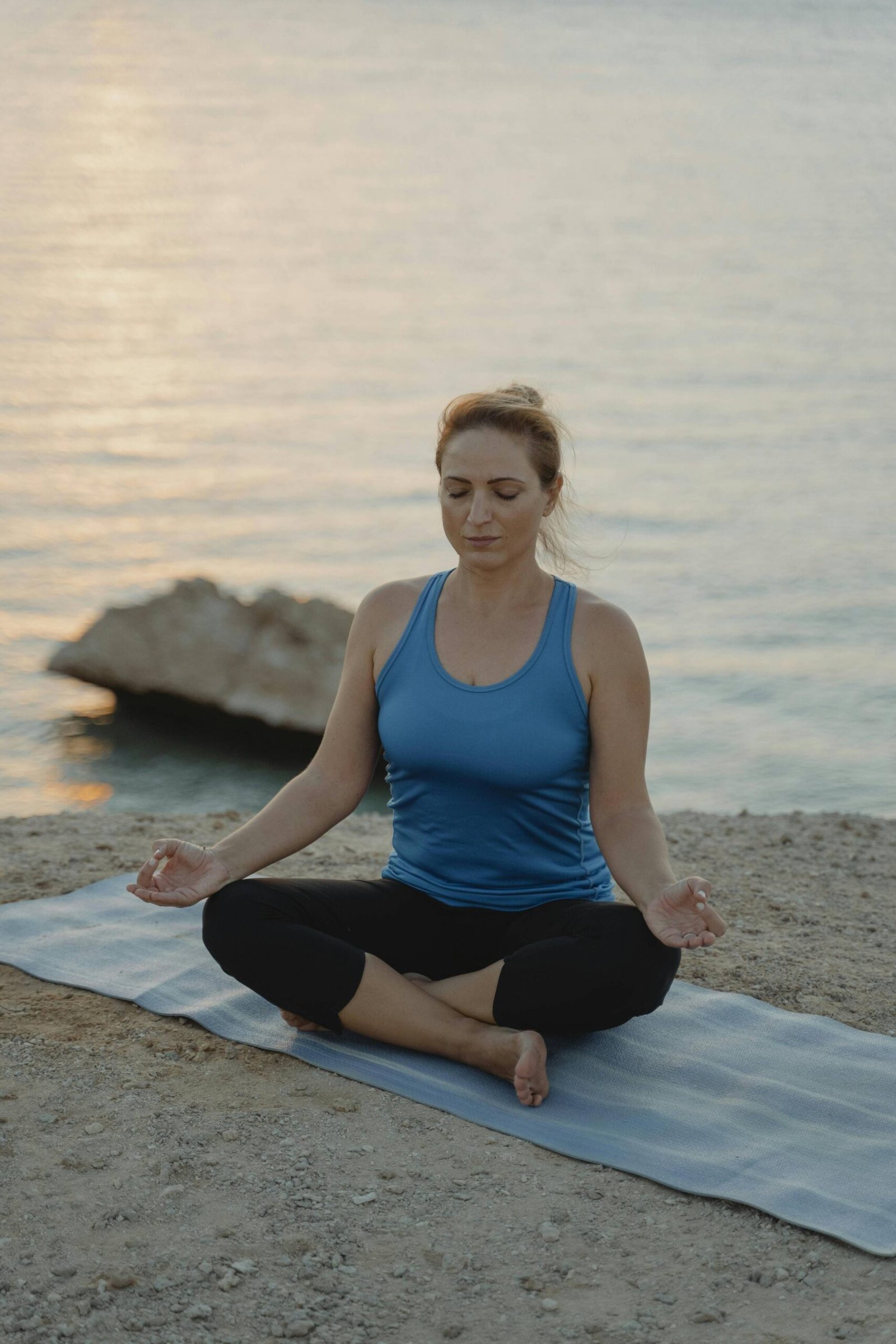
Depression often leaves you feeling tired, slows your thoughts, and makes daily tasks seem overwhelming. When you have little motivation, even good habits can seem impossible. Breathing exercises for depression can help because they are free, gentle, and can be done anywhere, even on tough days.
Breathing exercises for depression are not a substitute for therapy or medication. Still, they help your nervous system, lower stress, and offer small moments of relief. Over time, these moments can build up and help you recover.
Understanding Depression
Depression is more than just sadness. It can change your mood, sleep, appetite, focus, and energy levels. Many people feel tired all the time, hopeless, or numb.
The World Health Organization reports that more than 280 million people around the world live with depression, making it a leading cause of disability (https://www.who.int). Since depression affects both your mind and body, using body-based tools like breathing exercises for depression can be very helpful.
Why Complementary Approaches Matter
Therapy and medication help many people with depression. But often, you need more than one kind of support. Mind-body tools can add extra help.
Breathing exercises for depression work even when motivation is low. You do not need special equipment, long sessions, or perfect focus. This accessibility explains why breathing exercises for depression are gaining attention in mental health care.
What Is Breathwork?
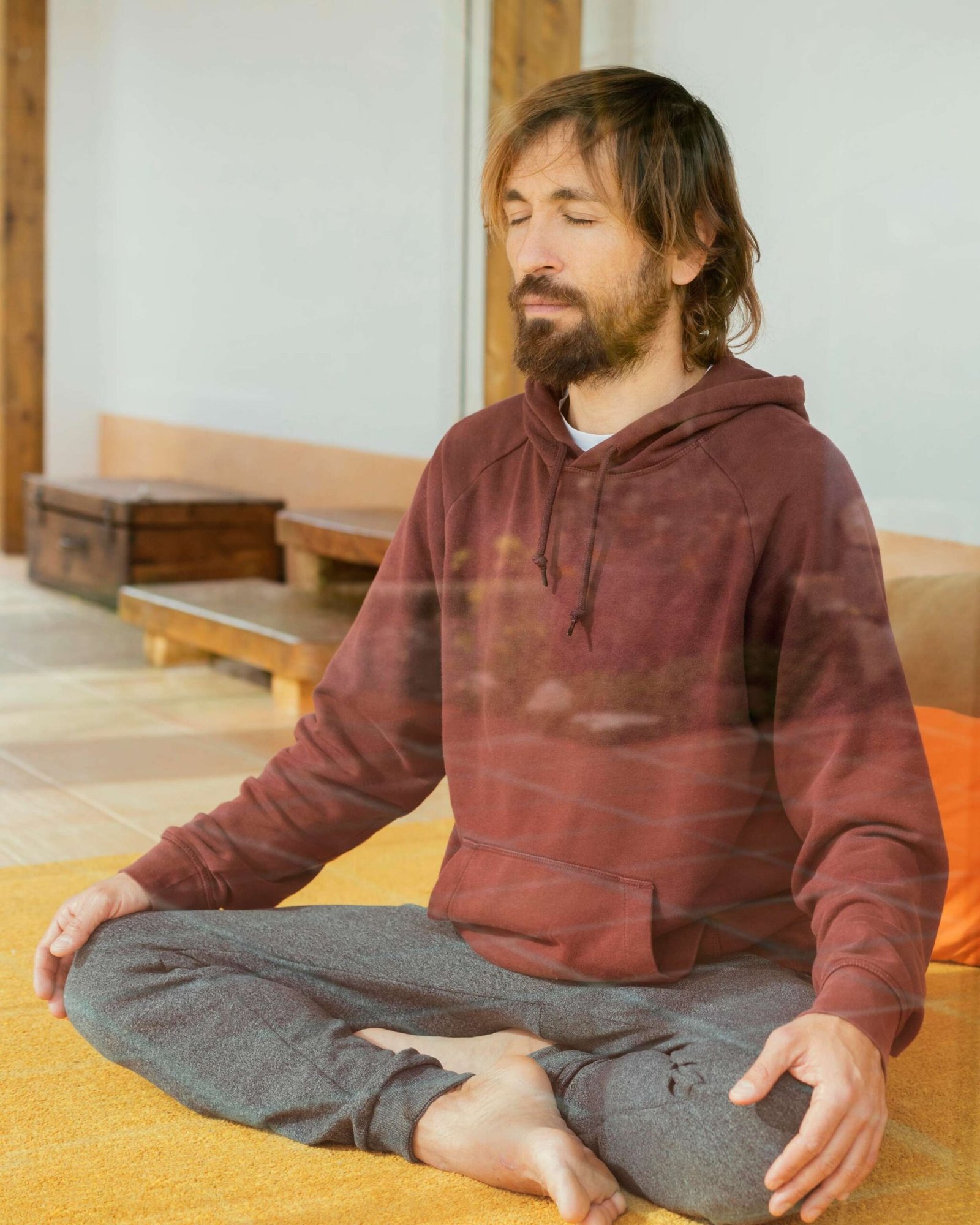
Breathwork means using specific ways of breathing to change how you feel mentally, emotionally, and physically. People have practiced breath-focused techniques for centuries in yoga, meditation, and other healing traditions.
Unlike regular breathing, breathwork means slowing down, taking deeper breaths, or changing your breathing pattern. These changes send signals to your brain that help control mood and stress.
The Science Behind Breathing Exercises for Depression
Breathing has a direct effect on your nervous system. When you breathe slowly and with control, it activates the part of your body that helps you rest and feel balanced.
Research in Frontiers in Psychology shows that slow breathing lowers stress, helps you manage emotions, and calms your body (https://www.frontiersin.org).
This is why breathing exercises for depression can help you feel calmer and less overwhelmed.
How Breathing Exercises Help With Depression
Breathing exercises for depression help you recover in several important ways.
Regulating the Nervous System
Depression often keeps the body in a state of stress. Breathing exercises for depression help shift the body out of fight-or-flight and into a calmer state.
This change helps you feel more emotionally steady and less tense.
Reducing Stress and Anxiety
Stress and anxiety often go along with depression. Calming your body with breathing exercises for depression can lower stress hormones like cortisol.
When your stress goes down, it is easier to feel better and think more clearly.
Improving Emotional Regulation
Depression can make negative thoughts stronger and harder to escape. Breathing exercises for depression help slow your mind and give you some space from overwhelming thoughts. ports healthier emotional responses.
Supporting Sleep and Relaxation
Many people with depression have trouble sleeping. Slow breathing before bed can help your body get ready to rest.
Studies show that breathing-based relaxation improves sleep quality and reduces nighttime arousal (https://www.ncbi.nlm.nih.gov).
Enhancing Focus and Mental Clarity
Depression often brings brain fog and difficulty concentrating. Breathing exercises for depression increase oxygen delivery and promote calm focus.
Even short sessions can improve mental clarity.
Best Breathing Exercises for Depression
The following breathing exercises for depression are safe, simple, and supported by research.
Diaphragmatic (Belly) Breathing
Diaphragmatic breathing encourages deep breaths into the belly instead of shallow chest breathing.
Place one hand on your chest and one on your stomach. Inhale through your nose, letting your belly rise. Exhale slowly through your mouth. Practice for five minutes.
This is one of the easiest breathing exercises for depression and is helpful on days when you have little energy.
Box Breathing
Box breathing uses a simple pattern: breathe in for four counts, hold for four, breathe out for four, and hold again for four.
This structure helps calm emotional overwhelm. Many clinicians recommend it as a grounding tool for mood regulation.
Alternate Nostril Breathing
Alternate nostril breathing balances the nervous system and improves focus.
Close one nostril and breathe in through the other. Switch sides as you breathe out. Keep going gently for a few minutes. This breathing exercise for depression works best when you go slowly.
Pursed-Lips Breathing
Pursed-lips breathing slows the breathing rate and reduces tension.
Breathe in through your nose, then breathe out slowly through pursed lips, like you are blowing out a candle. This technique can help you feel calmer when things feel heavy.
Cyclic Sighing (Physiological Sigh)
Cyclic sighing means taking two short breaths in through your nose, then letting out a long breath through your mouth.
A Stanford study found that this technique reduced anxiety and improved mood more quickly than mindfulness meditation (https://www.cell.com). It is one of the fastest-acting breathing exercises for depression.
Guided Breathwork vs Solo Practice
Guided breathing exercises for depression are helpful if you have trouble focusing. Apps, videos, or therapists can guide you and make it easier.
Once you feel comfortable, practicing on your own also works well. Both guided and solo practice are effective.
How Often Should You Practice?
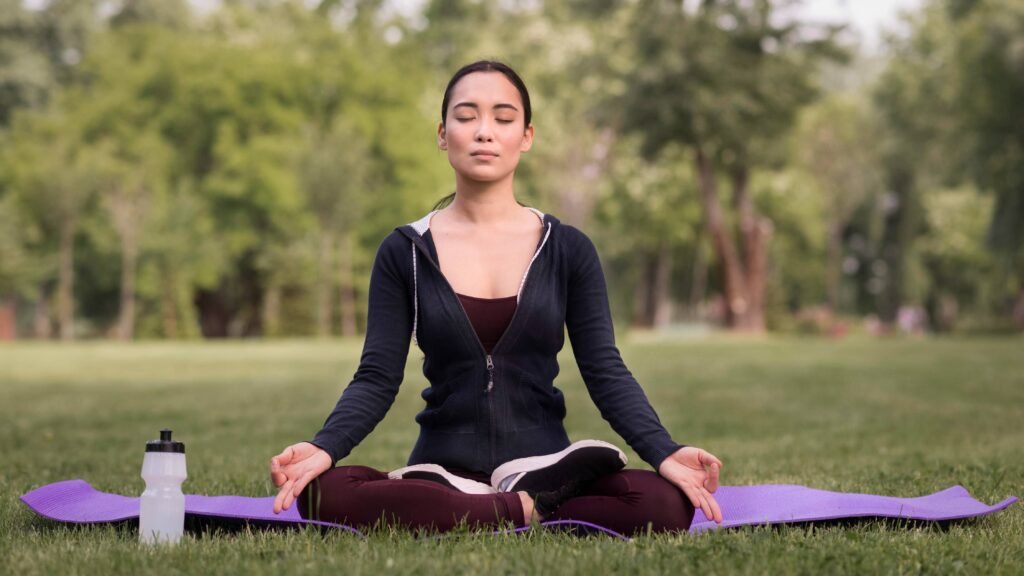
Short, daily practice works better than long, occasional sessions. Even 5–10 minutes per day supports nervous system regulation.
Being consistent is more important than how long you practice when it comes to breathing exercises for depression.
Safety and When to Use Caution
Most breathing exercises for depression are safe. However, intense techniques may trigger dizziness or panic in some people.
If you have trauma history, panic disorder, or medical conditions, stick with gentle breathing and consult a professional before trying advanced breathwork.
Integrating Breathing Exercises With Other Therapies
Breathing exercises for depression work best when you use them with other supports. Therapy, medication, good nutrition, movement, and social connection are all important.
You can think of breathing as a foundation that supports your other treatments.
Common Myths About Breathing Exercises
Some people believe breathing exercises for depression are too simple to help. Research shows otherwise.
Others think they must practice perfectly. In reality, showing up imperfectly still brings benefit.
Getting Started With Breathing Exercises for Depression
Begin with one technique and try it when you feel calm. This way, you will know what to do on harder days.
Notice how you feel before and after each session. Even small changes mean you are making progress.
When to Seek Professional Help
Breathing exercises for depression support recovery, but they are not enough for everyone. If symptoms persist or worsen, professional help is essential.
Getting help early leads to better results and less suffering.
Trusted Video Resource
The Stanford University School of Medicine explains evidence-based breathing techniques for mood and stress regulation:
Conclusion
Breathing exercises for depression offer gentle, science-backed support for emotional healing. They calm the nervous system, reduce stress, and improve mood with minimal effort. When practiced consistently and combined with professional care, breathing exercises for depression become a powerful part of recovery.
References
- World Health Organization – Depression facts
https://www.who.int - Frontiers in Psychology – Breathing and emotional regulation
https://www.frontiersin.org - National Center for Biotechnology Information – Breathing and sleep
https://www.ncbi.nlm.nih.gov - Cell Reports Medicine – Cyclic sighing study
https://www.cell.com - Stanford Medicine – Stress and breathing education
https://med.stanford.edu

Hi, I’m Kristi Jenkins, a passionate blogger and content writer with a love for storytelling. With years of experience in writing engaging and insightful articles, I focus on topics like mental health, lifestyle, and personal growth. My goal is to create content that inspires, educates, and connects with readers on a deeper level.