Now Reading: Yoga and Stress Relief: A Natural Way to Calm Your Mind and Body
-
01
Yoga and Stress Relief: A Natural Way to Calm Your Mind and Body
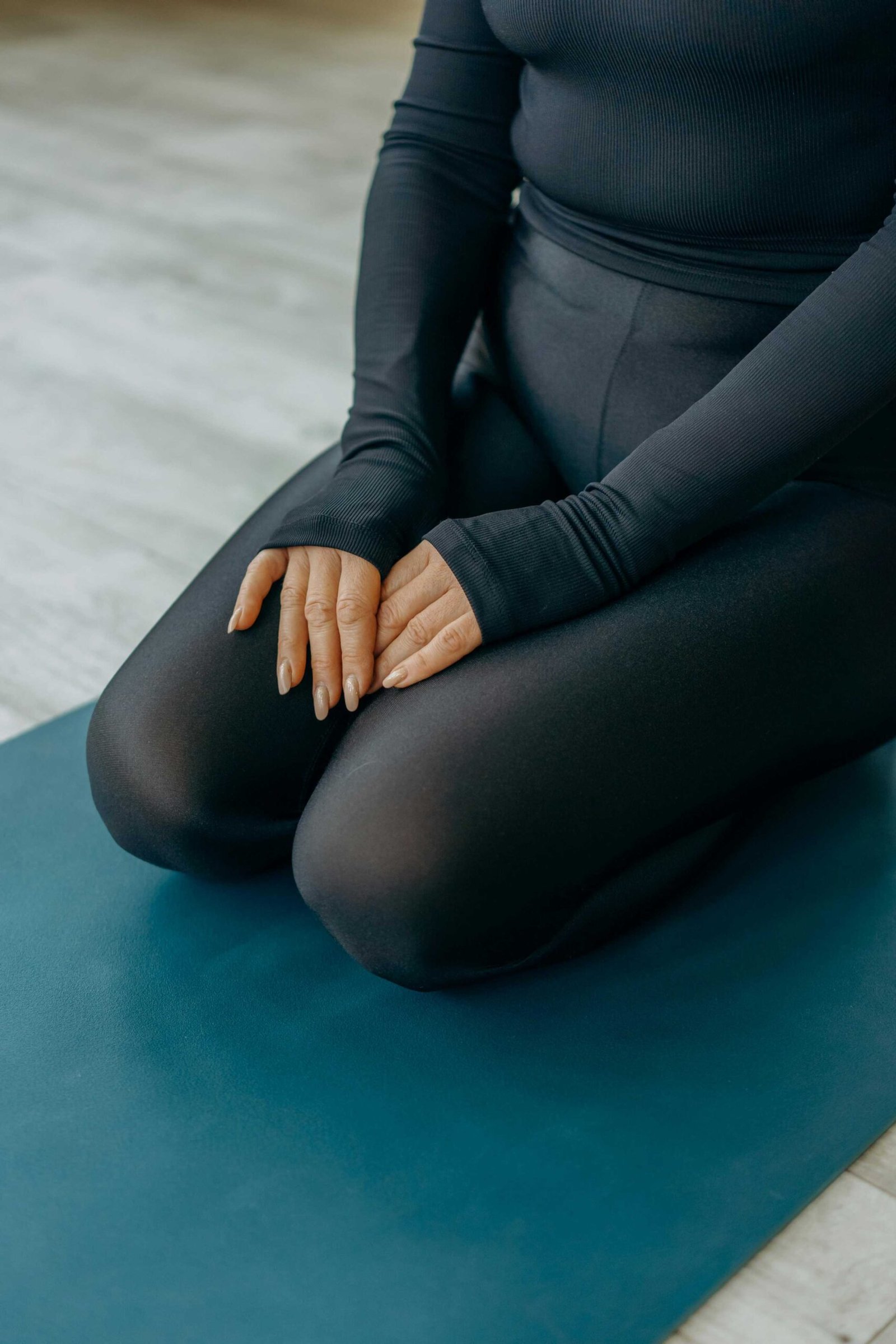
Stress has become part of daily life. Work pressure, financial worries, family responsibilities, and constant screen time can overwhelm the mind and body. Many people look for natural and effective ways to cope. Yoga and stress relief go hand in hand, offering a proven method to relax the nervous system, calm racing thoughts, and restore balance.
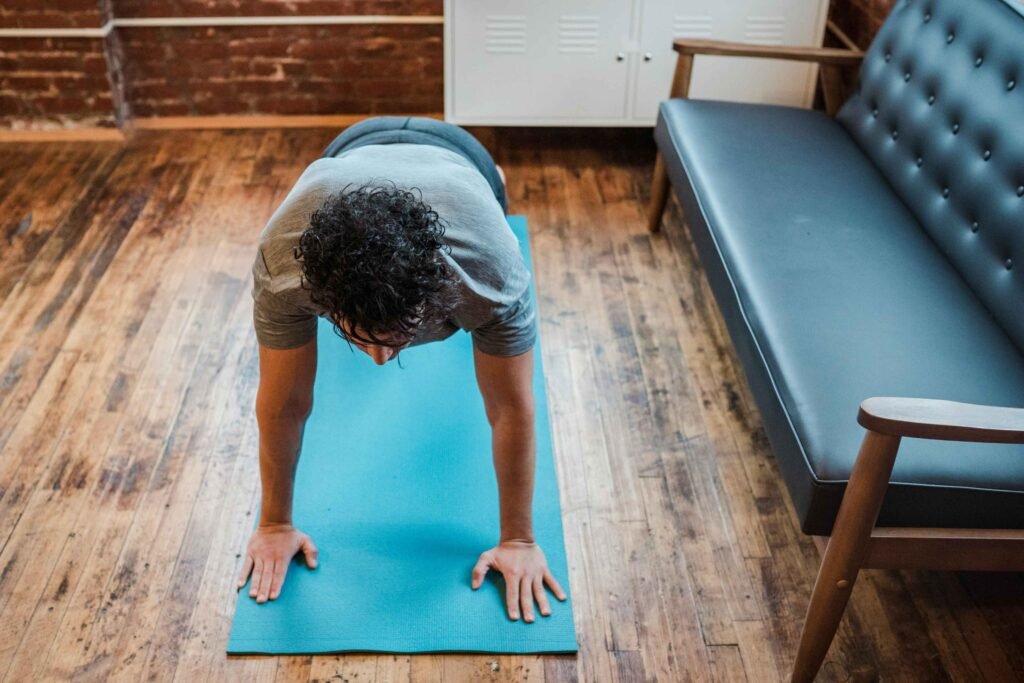
Yoga is not just about flexibility. It combines movement, breathing, and mindfulness, which directly target stress at its root. In this article, we will explore how yoga and stress relief work together, the science behind it, and how you can use yoga to manage stress in everyday life.
Understanding Stress and Its Impact on Health
Stress is the body’s response to pressure or perceived danger. Short-term stress can be helpful, but chronic stress harms both mental and physical health.
According to the American Psychological Association, over 77% of people regularly experience physical symptoms caused by stress, such as headaches, fatigue, and muscle tension (APA, 2023). Long-term stress increases the risk of anxiety, depression, heart disease, and sleep disorders.
This is where yoga and stress relief become especially important. Yoga addresses stress in a holistic way, calming both the mind and the body.
How Yoga and Stress Relief Work Together
The Mind-Body Connection
Yoga focuses on the connection between the mind and body. Stress often lives in the nervous system. When you practice yoga, slow movements and controlled breathing signal the brain that it is safe to relax.
Research published in the Journal of Clinical Psychology found that yoga practice significantly reduces cortisol, the body’s primary stress hormone (Thirthalli et al., 2013). Lower cortisol levels mean less anxiety and better emotional regulation.
This scientific evidence supports why yoga and stress relief are closely linked.
Activating the Relaxation Response
Yoga activates the parasympathetic nervous system, also known as the “rest and digest” system. This response lowers heart rate, reduces blood pressure, and slows breathing.
A study by Harvard Medical School reported that mind-body practices like yoga can reduce stress-related symptoms by up to 40% when practiced consistently (Benson & Proctor, 2010). This shows the strong impact of yoga and stress relief on overall well-being.
Key Benefits of Yoga and Stress Relief
Reduced Anxiety and Tension
Yoga helps release physical tension stored in the muscles. Gentle stretching relaxes tight areas such as the neck, shoulders, and lower back—common stress zones.
A meta-analysis published in Depression and Anxiety found that yoga reduces anxiety symptoms more effectively than no treatment and performs similarly to relaxation techniques (Cramer et al., 2018). This confirms that yoga and stress relief are effective tools for anxiety management.
Improved Sleep Quality
Stress often disrupts sleep. Yoga calms the nervous system and prepares the body for rest.
According to the National Sleep Foundation, people who practice yoga report falling asleep faster and staying asleep longer (NSF, 2022). Better sleep is another major benefit of yoga and stress relief, especially for people with chronic stress.
Better Emotional Balance
Yoga encourages mindfulness. When you focus on breath and movement, you become more aware of your emotions without judgment. This awareness reduces emotional reactivity.
Practicing yoga and stress relief techniques regularly can help you respond to challenges calmly instead of reacting impulsively.
Best Yoga Practices for Stress Relief
Hatha Yoga
Hatha yoga is slow-paced and gentle. It focuses on basic postures and breathing techniques, making it ideal for beginners.
Hatha yoga supports yoga and stress relief by easing muscle tension and calming the mind.
Restorative Yoga
Restorative yoga uses props like blankets and bolsters to support the body. Poses are held for longer periods with minimal effort.
This style deeply supports yoga and stress relief, especially for people dealing with burnout or chronic stress.
Yin Yoga
Yin yoga targets deep connective tissues and promotes stillness. It encourages long, passive holds and mindful breathing.
Yin yoga enhances yoga and stress relief by teaching patience and acceptance, which reduces mental stress.
Breathing Techniques That Enhance Yoga and Stress Relief
Deep Belly Breathing
Deep breathing sends calming signals to the brain. It reduces heart rate and lowers stress hormones.
A study in Frontiers in Psychology found that slow breathing techniques improve emotional control and reduce stress levels (Zaccaro et al., 2018). This is a key reason why yoga and stress relief rely heavily on breathwork.
Alternate Nostril Breathing (Nadi Shodhana)
This breathing technique balances the nervous system. It improves focus and reduces anxiety.
Practicing Nadi Shodhana daily strengthens the effects of yoga and stress relief, even during stressful situations.
Yoga and Stress Relief in Daily Life
Short Daily Practice
You do not need long sessions. Even 10–20 minutes a day can make a difference. Consistency matters more than duration.
Adding short yoga and stress relief routines in the morning or evening can help manage daily stress effectively.
Yoga at Work
Desk yoga and breathing exercises can reduce workplace stress. Simple neck rolls, seated stretches, and mindful breathing can reset your stress response.
Workplace studies show that employees who practice yoga report lower stress and higher job satisfaction (Hartfiel et al., 2011). This highlights the practical value of yoga and stress relief in modern life.
Scientific Evidence Supporting Yoga and Stress Relief
- A study in JAMA Internal Medicine found that yoga and meditation reduce stress-related symptoms like anxiety, pain, and depression (Goyal et al., 2014).
- The World Health Organization recognizes yoga as an effective tool for improving mental health and managing stress (WHO, 2022).
- Research shows that regular yoga practice can reduce perceived stress levels by up to 30% within eight weeks (Sharma et al., 2017).
These findings strongly support the role of yoga and stress relief in mental health care.
Getting Started with Yoga for Stress Relief
If you are new to yoga, start slow. Choose beginner-friendly classes or online videos. Focus on breathing and gentle movements instead of perfect poses.
Listen to your body. The goal of yoga and stress relief is not performance but relaxation and awareness.
Final Thoughts on Yoga and Stress Relief
Stress may be unavoidable, but suffering does not have to be. Yoga and stress relief offer a natural, accessible, and effective way to calm the mind and strengthen the body. With regular practice, yoga helps reduce anxiety, improve sleep, and build emotional resilience.
By combining movement, breath, and mindfulness, yoga and stress relief empower you to handle life’s challenges with clarity and calm. Whether you practice for five minutes or an hour, yoga can become a trusted tool for lasting mental wellness.

Hi, I’m Kristi Jenkins, a passionate blogger and content writer with a love for storytelling. With years of experience in writing engaging and insightful articles, I focus on topics like mental health, lifestyle, and personal growth. My goal is to create content that inspires, educates, and connects with readers on a deeper level.