Now Reading: Relationship Between Sleep and Stress: How Rest Shapes Our Emotional Well-Being
-
01
Relationship Between Sleep and Stress: How Rest Shapes Our Emotional Well-Being

The relationship between sleep and stress is one of the most important yet overlooked parts of mental health. When we sleep well, we feel calmer, think clearly, and handle daily challenges with confidence. But when stress rises, sleep becomes harder, and this creates a cycle that affects both our body and mind. Understanding this cycle helps us break it and build healthier routines.
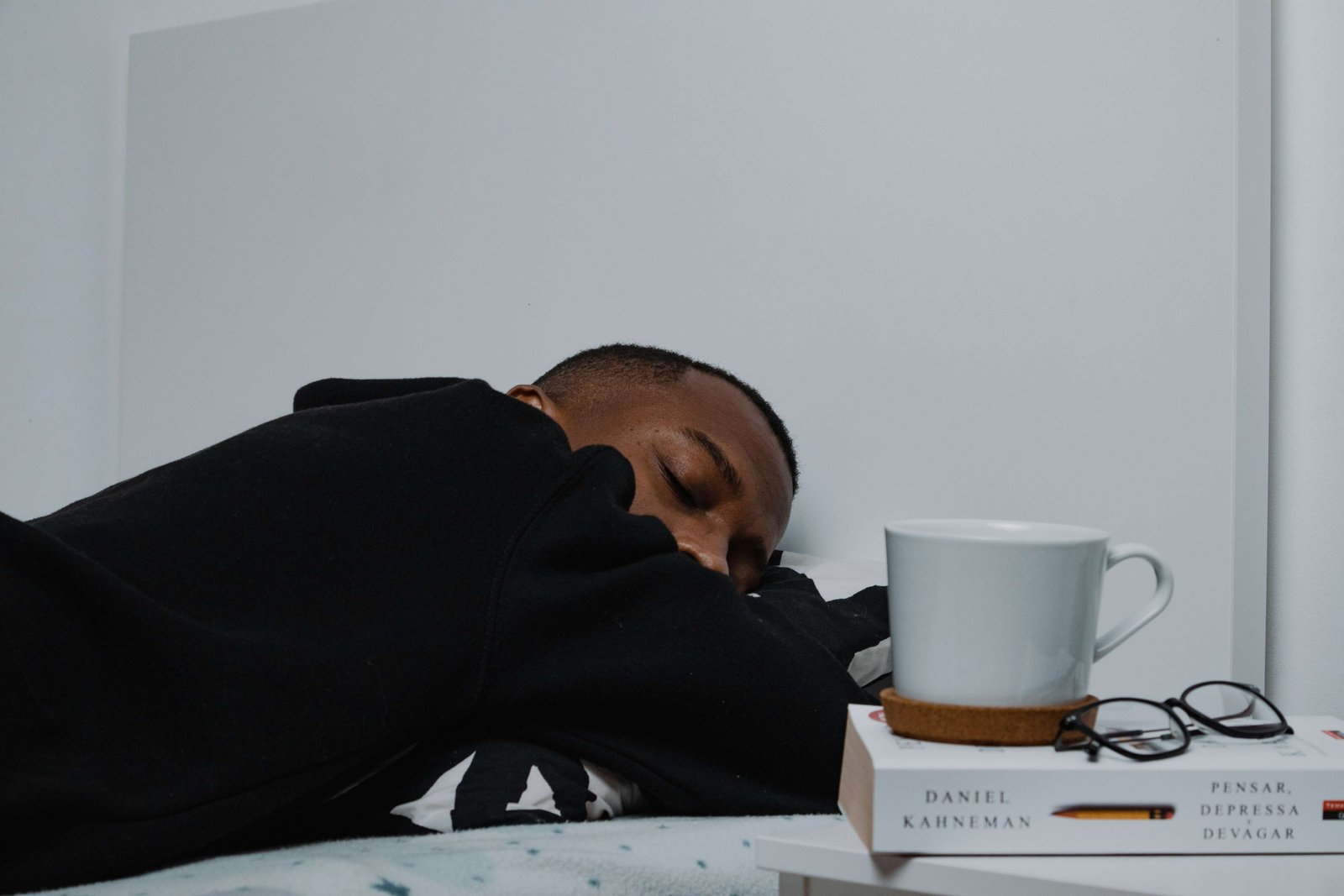
In this article, we will explore how the relationship between sleep and stress works, how poor sleep affects the brain and body, and what simple habits can improve both.
How Stress Affects Sleep
Stress is a natural reaction to pressure, change, or emotional challenges. But constant stress keeps the body in a state of alertness.
Stress Activates the Fight-or-Flight Response
When stress hits, the brain releases cortisol and adrenaline. These hormones make the heart beat faster and keep the mind alert. While this helps in emergencies, it makes falling asleep difficult at night.
A 2022 survey by the American Psychological Association found that over 67% of adults report trouble sleeping when stressed (APA, 2022). This shows how strong the connection is between stress and sleep disruption.
Racing Thoughts Increase Sleep Delays
Stress often fills the mind with worries about work, relationships, or responsibilities. These thoughts make it harder to relax, which leads to long sleep-onset times.
When this pattern repeats, the brain begins associating bedtime with stress rather than rest.
How Poor Sleep Increases Stress
The relationship between sleep and stress works both ways. Just as stress reduces sleep quality, poor sleep increases stress levels the next day.
Sleep Loss Raises Cortisol Levels
Studies show that even one night of poor sleep can increase cortisol by up to 37% (Leproult & Van Cauter, 2010). High cortisol makes people more reactive, anxious, and sensitive to daily stressors.
Lack of Rest Weakens Emotional Regulation
During sleep—especially deep and REM sleep—the brain processes emotions and repairs stress-related damage. When sleep is cut short, the emotional centers of the brain become less stable.
A study from UC Berkeley found that sleep-deprived individuals have a 60% increase in amygdala activity, the part of the brain responsible for fear and emotional responses (Yoo et al., 2007). This makes stressful situations feel more overwhelming.
Fatigue Makes Daily Tasks Harder
Tiredness reduces focus, memory, and problem-solving ability. This means common tasks feel heavier, which increases frustration and emotional pressure. Over time, this adds more stress to daily life and deepens the cycle.
The Cycle: Understanding the Relationship Between Sleep and Stress
The relationship between sleep and stress creates a feedback loop:
- Stress makes it hard to fall and stay asleep.
- Poor sleep increases stress hormones and emotional tension.
- Higher stress leads to even worse sleep the next night.
This cycle affects mental health, physical health, and overall life quality. People often feel stuck without knowing how to break the pattern.
How Stress and Sleep Affect Physical Health
Chronic sleep problems and long-term stress do more than affect mood—they impact the whole body.
Immune System Weakens
Research shows that people who sleep fewer than 6 hours per night are four times more likely to catch a cold (Cohen et al., 2009).
Increased Risk of Chronic Conditions
Both stress and sleep deprivation increase the risk of:
- Hypertension
- Heart disease
- Type 2 diabetes
- Weight gain
These risks rise because stress and poor sleep affect metabolism, blood pressure, and inflammation.
Hormonal Imbalances
Sleep helps regulate important hormones like cortisol, insulin, and ghrelin (the hunger hormone). When sleep is poor, these hormones become unbalanced, leading to appetite changes, mood swings, and fatigue.
Improving the Relationship Between Sleep and Stress
The good news is that small, consistent habits can break the cycle and improve both sleep and stress levels.
1. Build a Calming Night Routine
A simple relaxing routine signals the brain that it is time to slow down. Try:
- Warm shower
- Light stretching
- Gentle breathing exercises
- Reading something calming
These habits help reduce stress hormones before bed.
2. Keep a Consistent Sleep Schedule
Going to bed and waking up at the same time every day helps regulate the internal clock. This leads to better sleep quality and lower stress.
3. Limit Screen Time Before Bed
Devices emit blue light, which suppresses melatonin—the hormone that makes you sleepy. Try stopping screen use at least one hour before bedtime.
4. Practice Stress-Reducing Techniques
Stress management lowers cortisol and makes sleep easier. Helpful techniques include:
- Mindfulness meditation
- Slow breathing (4-7-8 method)
- Journaling
- Short evening walks
According to a 2021 study, mindfulness meditation reduces stress by 31% and improves sleep quality for 58% of participants (JAMA Internal Medicine, 2021).
5. Create a Sleep-Friendly Environment
Your bedroom should feel calm, dark, quiet, and cool. Consider using:
- Blackout curtains
- White noise machines
- Comfortable bedding
6. Reduce Caffeine and Alcohol
Caffeine stays in the body for 6–8 hours and can make stress worse. Alcohol may help you fall asleep quickly but disrupts deep sleep and increases nighttime awakenings.
When to Seek Professional Help
If stress and sleeplessness continue for weeks, it may indicate:
- Chronic anxiety
- Depression
- Sleep disorders
- Burnout
A mental health professional or sleep specialist can help identify deeper causes and suggest treatment.
Final Thoughts
The relationship between sleep and stress is powerful. Stress can disrupt sleep, and poor sleep can intensify stress—creating a cycle that affects emotional stability, physical health, and overall well-being. The good news is that simple habits, consistent routines, and mindful choices can help break this cycle.
Improving sleep is not just about feeling rested—it is a foundational step toward managing stress, boosting emotional resilience, and living a healthier life.

Hi, I’m Kristi Jenkins, a passionate blogger and content writer with a love for storytelling. With years of experience in writing engaging and insightful articles, I focus on topics like mental health, lifestyle, and personal growth. My goal is to create content that inspires, educates, and connects with readers on a deeper level.