Now Reading: Social Anxiety Self-Help Tips: Simple Ways to Feel More Confident Every Day
-
01
Social Anxiety Self-Help Tips: Simple Ways to Feel More Confident Every Day
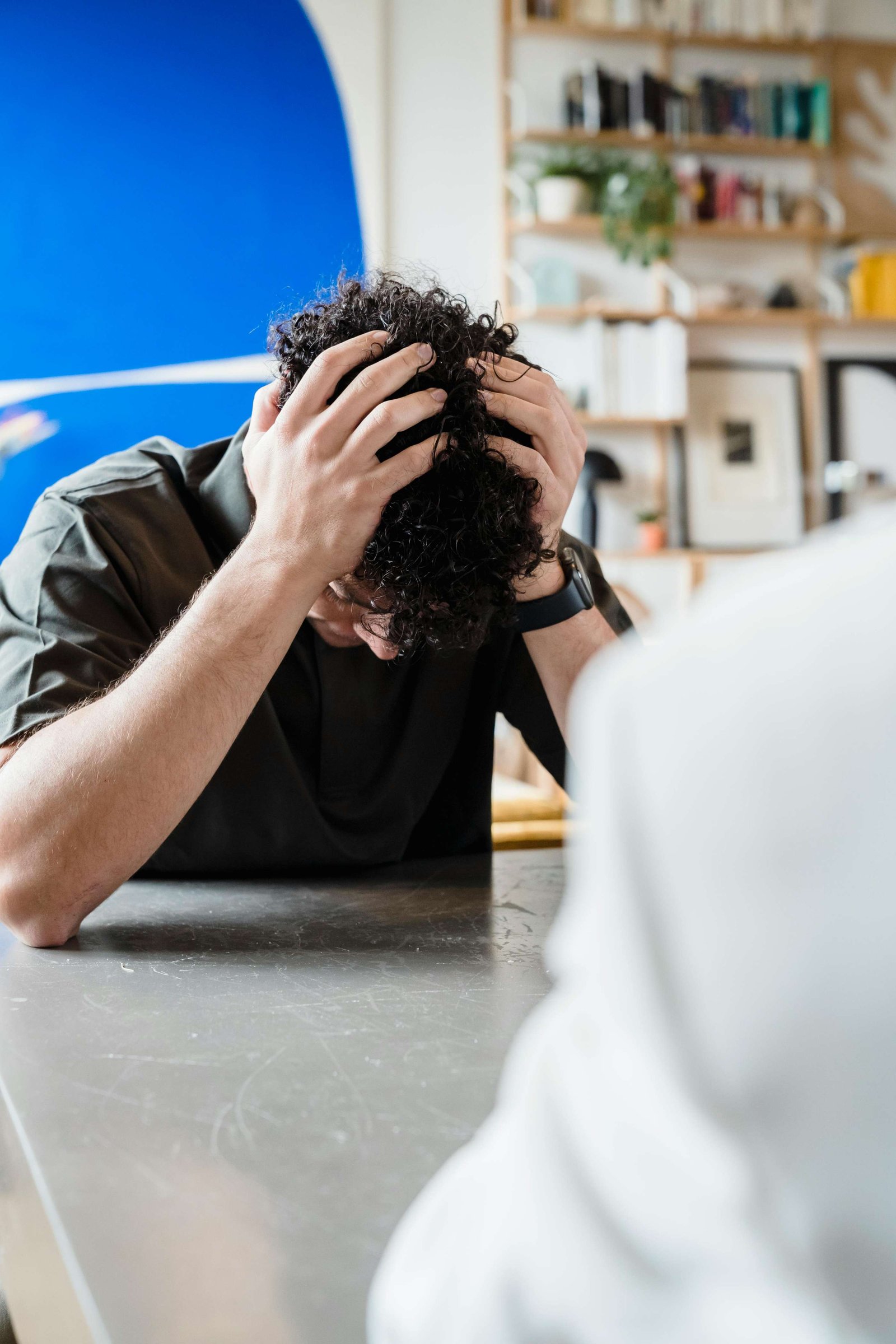
Social anxiety affects millions of people worldwide. In fact, around 7% of adults in the United States live with social anxiety disorder each year according to the National Institute of Mental Health (NIMH)¹. Many people feel nervous in social situations, but social anxiety makes everyday interactions—like talking to coworkers, ordering food, or meeting new people—feel overwhelming. The good news is that with the right mindset and practical strategies, you can start improving your confidence. In this guide, you will learn effective social anxiety self-help tips that are easy to apply and support your emotional well-being.

Understanding Social Anxiety
Social anxiety is not just shyness. It is a persistent fear of being judged, embarrassed, or rejected in social settings. People with social anxiety often experience physical symptoms such as sweating, shaking, a racing heart, or stomach discomfort during social interactions. These reactions are normal stress responses, but when they happen too often, they can limit your personal growth, relationships, and daily life.
Before diving into social anxiety self-help tips, it helps to understand that social anxiety is treatable. With practice, support, and patience, you can retrain your thoughts and reactions.
Why Self-Help Strategies Matter
Self-help strategies give you control over your healing process. Professional support is always valuable, but the daily habits you build make the biggest difference. Research shows that consistent self-help tools can significantly reduce anxiety symptoms and improve quality of life². What you do every day shapes your confidence.
Effective Social Anxiety Self-Help Tips
Below are practical, gentle, and actionable social anxiety self-help tips that you can use today. These steps help you understand your emotions, calm your body, and build confidence in social settings.
1. Start With Small Social Steps
You do not have to jump into big social events. Begin with small, manageable interactions. For example:
- Make brief eye contact with a cashier.
- Say “hello” to a neighbor.
- Ask a coworker a simple question.
These tiny steps help your mind learn that social moments are safe. Over time, your confidence grows. Research suggests that gradual exposure to feared situations is one of the most effective ways to reduce anxiety³.
2. Practice Deep Breathing Before Social Situations
Social anxiety often triggers physical tension. Deep breathing helps your body relax and prevents panic from building. Try this simple technique:
- Inhale slowly for four seconds.
- Hold for two seconds.
- Exhale for six seconds.
Repeat this cycle a few times. This calming exercise decreases stress and helps you stay grounded. Adding breathing techniques to your daily routine strengthens your emotional resilience.
3. Challenge Negative Thoughts
People with social anxiety usually imagine the worst outcomes. You might think:
- “Everyone will judge me.”
- “I will say something wrong.”
- “I don’t know how to act.”
To improve your confidence, challenge these thoughts. Ask yourself:
- “Is this thought true?”
- “What evidence do I have?”
- “What is a more realistic thought?”
Replacing fear with facts reduces anxiety. This cognitive technique is widely used in therapy and is proven to help people change unhealthy thinking patterns⁴.
4. Focus on the Present Moment
Mindfulness helps you stay focused instead of worrying about what others think. Try the 5-4-3-2-1 grounding method:
- 5 things you can see
- 4 things you can touch
- 3 things you can hear
- 2 things you can smell
- 1 thing you can taste
This technique pulls your mind away from anxious thoughts and into the present moment. Mindfulness practices are linked to lower stress and improved emotional balance⁵.
5. Reduce Social Pressure by Preparing Ahead
Preparation can make social moments feel less scary. Before entering a social situation:
- Think of two or three topics you can talk about.
- Plan simple questions to ask, such as “How was your weekend?”
- Practice your breathing.
Preparation gives your mind structure, helping you feel more relaxed and in control.
6. Limit Caffeine and Sugar
Caffeine increases your heart rate, which can make anxiety worse. Sugar spikes can also make your mood unstable. The Anxiety and Depression Association of America (ADAA) reports that caffeine can trigger or intensify anxiety symptoms⁶. Reducing your intake may lead to fewer physical symptoms and greater emotional balance.
7. Build a Supportive Routine
Routine creates stability. When you include small, healthy habits in your day—like walking, journaling, or exercise—you strengthen your mental health. Exercise, in particular, is shown to reduce anxiety symptoms by releasing endorphins⁷. Even a 10-minute walk can improve your mood.
8. Celebrate Little Wins
Every progress counts, even the small ones. If you spoke up in a meeting or greeted someone new, take a moment to celebrate. This builds positive reinforcement, which helps your brain connect social experiences with safety and success.
9. Seek Support When Needed
Self-help is powerful, but seeking help is also a sign of strength. If social anxiety affects your work, relationships, or everyday life, a therapist can guide you with techniques like Cognitive Behavioral Therapy (CBT). CBT is one of the most effective treatments for social anxiety⁸ and can change the way you think and react in social settings.
Final Thoughts
Improving social anxiety takes time, but every small step moves you forward. These social anxiety self-help tips can help you understand your feelings, reduce fear, and build real confidence. Remember, progress is not about perfection. It is about showing up for yourself day by day.
The more you practice these strategies, the easier social interactions will become. You are not alone, and you deserve to feel comfortable in your own life.
Sources
- National Institute of Mental Health (NIMH). Social Anxiety Disorder Statistics.
- Mayo Clinic. Self-help strategies for anxiety.
- American Psychological Association. Exposure therapy effectiveness.
- Beck Institute for Cognitive Behavior Therapy. Cognitive restructuring.
- Harvard Health Publishing. Mindfulness benefits.
- Anxiety and Depression Association of America (ADAA). Caffeine and anxiety.
- Harvard Medical School. Exercise and mental health.
- National Institute for Health and Care Excellence (NICE). CBT for anxiety disorders.

Hi, I’m Kristi Jenkins, a passionate blogger and content writer with a love for storytelling. With years of experience in writing engaging and insightful articles, I focus on topics like mental health, lifestyle, and personal growth. My goal is to create content that inspires, educates, and connects with readers on a deeper level.