Now Reading: How to Stop Feeling Anxious in Social Situations
-
01
How to Stop Feeling Anxious in Social Situations

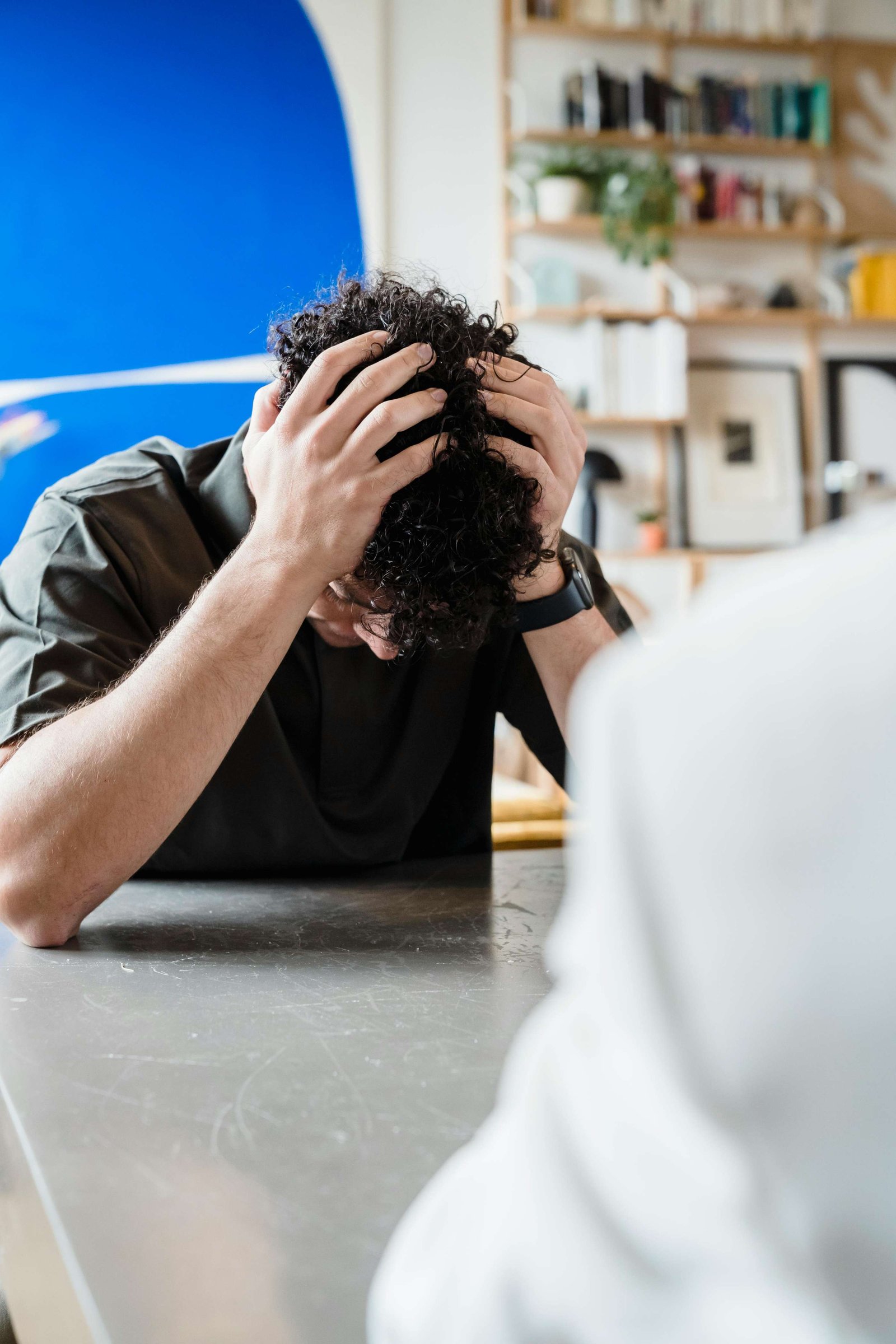
Social anxiety can make everyday moments—like talking to coworkers, ordering food, or meeting new people—feel overwhelming. If you often struggle to relax around others, you’re not alone. According to the Anxiety and Depression Association of America, about 15 million adults in the U.S. live with social anxiety disorder (ADAA, 2023). The good news is that you can learn how to stop feeling anxious in social situations with a few simple, practical strategies.

In this guide, you’ll explore why social anxiety happens, what triggers it, and how you can take small steps toward confidence and calm.
Understanding Why Social Anxiety Shows Up
Before you learn how to stop feeling anxious in social situations, it helps to understand what’s happening inside your mind and body. Social anxiety often begins when your brain senses a threat—even when no real danger exists. This reaction activates your fight-or-flight response.
Many people feel anxious because they fear being judged, embarrassed, or rejected. Studies show that people with social anxiety often overestimate negative outcomes in social settings (National Institute of Mental Health, 2022). Your brain tries to protect you, but it ends up making you feel tense, shaky, or overly self-aware.
The key is teaching your brain to respond differently.
Identify Your Triggers
If you want to know how to stop feeling anxious in social situations, start by identifying your triggers. Triggers are moments, people, or environments that increase your anxiety. Common triggers include:
- Speaking in front of a group
- Entering a crowded room
- Meeting new people
- Eating in public
- Making small talk
Write down the moments that raise your anxiety. When you know what sets you off, you can prepare for them rather than feel caught off guard.
Practice Slow, Calm Breathing
Breathing is one of the simplest tools to help you figure out how to stop feeling anxious in social situations. When anxiety rises, your breath becomes fast and shallow, sending more stress signals to your brain. Slow breathing does the opposite—it calms your nervous system.
Try this exercise:
- Inhale through your nose for four seconds.
- Hold your breath for two seconds.
- Exhale through your mouth for six seconds.
- Repeat for one minute.
This technique lowers your heart rate and reduces physical symptoms of anxiety.
Challenge Negative Thoughts
Many people who struggle with how to stop feeling anxious in social situations deal with negative thoughts like:
- “Everyone will think I’m awkward.”
- “I’ll say something stupid.”
- “People won’t like me.”
These thoughts often feel automatic, but they’re not facts. Cognitive behavioral therapy (CBT) research shows that challenging negative thinking reduces anxiety symptoms in a meaningful way (American Psychological Association, 2021).
Here’s a simple method to try:
- Notice the negative thought.
- Ask yourself: “Is this 100% true?”
- Replace it with a balanced, realistic thought.
For example:
Instead of “Everyone will notice my shaking hands,” try, “Most people are focused on themselves, not on me.”
Prepare Small Conversation Starters
One helpful way to learn how to stop feeling anxious in social situations is to prepare a few simple conversation starters. You don’t need anything complicated—just friendly, natural questions.
Examples include:
- “How has your week been?”
- “What brings you here today?”
- “Have you been working on anything exciting lately?”
Preparation boosts confidence and makes social moments feel less unpredictable.
Start With Small, Manageable Steps
If large group events scare you, don’t start there. A big part of learning how to stop feeling anxious in social situations is taking gradual steps.
Try these small steps:
- Say hello to a neighbor.
- Make brief eye contact at the grocery store.
- Attend a small gathering instead of a large party.
- Practice ordering coffee and making small talk with the barista.
Small wins build momentum. When your brain sees that social interactions are safe, your anxiety slowly decreases.
Focus on the Present Moment
Social anxiety often pulls your mind into the future—imagining all the things that could go wrong. Practicing mindfulness helps you stay grounded.
Mindfulness research shows that regular practice can reduce anxiety levels by up to 39% (Journal of Clinical Psychology, 2020). Try paying attention to your senses: what you see, hear, and feel in the moment. When your mind goes back to fear, gently bring it back to the present.
Use Positive Body Language
Your body and mind communicate with each other. When you stand tall, relax your shoulders, and smile gently, your body signals safety to your brain. This makes it easier to learn how to stop feeling anxious in social situations.
Positive body language also helps others see you as open and friendly, which leads to better social experiences.
Reduce Caffeine Before Social Events
Caffeine can make your heart race and intensify anxiety symptoms. If you’re working on how to stop feeling anxious in social situations, consider reducing or avoiding caffeine before an event. Drinking water or herbal tea can keep you calm and steady.
Practice Self-Compassion
Many people blame themselves for feeling anxious. But social anxiety doesn’t mean you’re weak—it means your brain is being overly protective. Be kind to yourself during the process.
Say things like:
- “It’s okay to feel nervous.”
- “I’m learning and improving.”
- “I don’t have to be perfect to connect with others.”
Self-compassion creates emotional safety and makes social growth easier.
When to Seek Professional Support
If you’ve tried these strategies and still struggle with how to stop feeling anxious in social situations, you may benefit from professional help. Therapists who specialize in anxiety can guide you through CBT, exposure therapy, or a combination of proven treatments.
According to the National Institute of Mental Health, most people experience significant improvement with therapy (NIMH, 2022).
Asking for help is a strength—not a failure.
Final Thoughts
Learning how to stop feeling anxious in social situations takes patience, but each step you take makes a difference. Start small, breathe deeply, challenge negative thoughts, and practice kindness toward yourself. Social confidence isn’t about being perfect—it’s about showing up as your real self, even when you feel nervous.
With time and consistency, you can build the confidence and emotional tools you need to enjoy social moments rather than fear them.

Hi, I’m Kristi Jenkins, a passionate blogger and content writer with a love for storytelling. With years of experience in writing engaging and insightful articles, I focus on topics like mental health, lifestyle, and personal growth. My goal is to create content that inspires, educates, and connects with readers on a deeper level.