Now Reading: Mindfulness and Gratitude for Anxiety Relief
-
01
Mindfulness and Gratitude for Anxiety Relief

Anxiety affects millions of people around the world. It shows up as racing thoughts, a tight chest, or a constant feeling of worry that never fully goes away. According to the Anxiety and Depression Association of America (ADAA), about 31% of adults experience an anxiety disorder at some point in their lives (ADAA, 2023). While therapy and medication are helpful, simple daily practices can also reduce anxiety. Two of the most powerful tools are mindfulness and gratitude for anxiety relief.
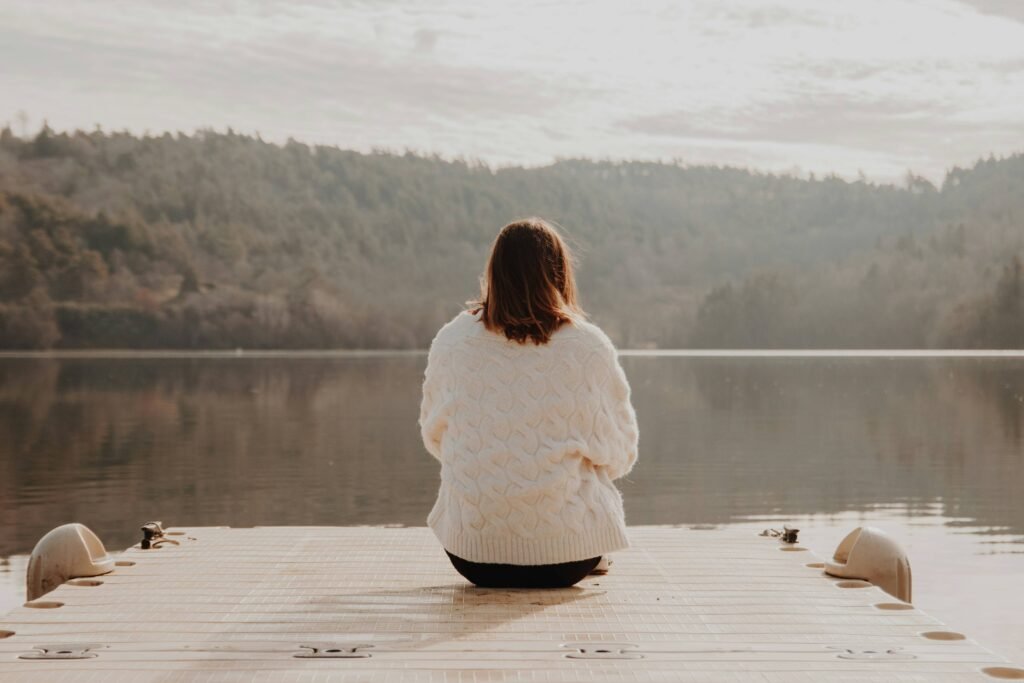
Both practices calm the mind, ground the body, and shift focus to the present moment. When used together, they create a balanced approach to managing stress. In this article, you will learn how mindfulness and gratitude work, why they reduce anxiety, and how you can apply them in everyday life.
What Is Mindfulness?
Mindfulness means paying attention to the present moment without judgment. You observe your thoughts, feelings, and physical sensations without trying to change them. This awareness creates space between you and your reactions. Instead of being overwhelmed by stress, you learn to respond with calm and clarity.
Researchers have studied mindfulness for decades. A report from Harvard Medical School found that mindfulness meditation can reduce activity in the brain’s “stress center,” the amygdala, which helps lower anxiety (Harvard Health, 2022). When you practice mindfulness regularly, your brain becomes better at staying present instead of jumping to worst-case scenarios.
What Is Gratitude?
Gratitude is the practice of noticing and appreciating the good things in your life. It shifts your mindset from what is going wrong to what is going right. Gratitude does not ignore difficulties; instead, it reminds you that positive moments still exist.
The Greater Good Science Center at UC Berkeley found that people who practice gratitude feel 25% happier and experience lower stress levels (GGSC, 2021). Gratitude helps the brain release dopamine and serotonin—chemicals linked to joy, calmness, and emotional balance.
Why Mindfulness and Gratitude Work Well Together
When combined, mindfulness and gratitude for anxiety relief become even more powerful. Mindfulness teaches you to slow down and notice what you are experiencing. Gratitude helps you focus on the positive aspects of those experiences. Together, they retrain your brain to stay calm and balanced.
Here’s why they work so well together:
1. They Break the Cycle of Worry
Mindfulness pulls you out of your thoughts. Gratitude steers your attention to something uplifting. This combination interrupts anxious thinking patterns.
2. They Strengthen Emotional Resilience
Mindfulness helps you accept discomfort, while gratitude helps you feel hope. This balance makes stressful situations easier to handle.
3. They Improve Mood and Brain Function
Studies show that both practices increase activity in the prefrontal cortex—the part of the brain responsible for emotional regulation. More balanced emotions mean less anxiety throughout the day.
How to Practice Mindfulness Every Day
You don’t need a special room or long meditation sessions to practice mindfulness. Even one minute of awareness can calm your mind.
1. Mindful Breathing
Sit comfortably, close your eyes, and take a slow breath in. Feel your chest rise. Then exhale slowly. Notice the air moving in and out. Repeat for one to two minutes.
2. Body Scan
Bring attention to your feet, legs, stomach, chest, and shoulders. Notice any tension. Breathe into the areas that feel tight.
3. Mindful Observing
Look around you and notice colors, shapes, sounds, or smells. This simple act pulls your mind into the present moment.
4. Mindful Pauses
During the day, pause for ten seconds. Ask yourself, “What am I feeling right now?” This quick check-in reduces stress before it builds up.
How to Build a Gratitude Habit
Gratitude becomes more powerful when practiced consistently. Use these simple techniques to build the habit:
1. Gratitude Journal
Write down three things you are grateful for every day. They can be simple—warm sunlight, a good meal, or a kind message from a friend.
2. Gratitude Reflection
When something positive happens, pause and mentally acknowledge it. Say to yourself, “I’m grateful for this moment.”
3. Express Gratitude to Others
Send a quick thank-you message or say “I appreciate you” to someone. This strengthens relationships and improves emotional well-being.
4. Gratitude Reminders
Place sticky notes with gratitude prompts around your home. Even one reminder can shift your mood.
Combining Mindfulness and Gratitude for Anxiety Relief
When you combine mindfulness and gratitude, you create a two-step method for calming your mind and uplifting your emotions.
Here are a few ways to bring both practices together:
1. Mindful Gratitude Meditation
Sit quietly and breathe deeply. Think of one thing you are grateful for today. Hold the image in your mind and notice how your body feels. Enjoy the warmth of that gratitude.
2. Gratitude Walks
Take a short walk. Pay attention to the trees, the sky, the air, or the sounds around you. As you walk mindfully, silently name things you appreciate.
3. Gratitude Breathwork
Breathe in slowly and think of a calming thought. Breathe out and silently say, “Thank you.” Repeat for several breaths.
4. Evening Mindfulness Review
At night, reflect on your day. Notice your emotions without judgment. Then write down one moment you are grateful for. This simple routine reduces nighttime anxiety and improves sleep.
The Long-Term Benefits
Practicing mindfulness and gratitude for anxiety relief creates long-lasting changes in the brain and body. Over time, these practices can:
- Lower stress hormones like cortisol
- Reduce symptoms of anxiety and depression
- Improve sleep quality
- Strengthen emotional regulation
- Increase feelings of calm and happiness
A study published in the journal Mindfulness (2020) found that people who combined gratitude and mindfulness felt less anxiety and greater well-being within eight weeks. These habits become even more effective as they turn into part of your daily routine.
Final Thoughts
Anxiety may be a part of life, but it doesn’t have to control your days. When practiced regularly, mindfulness and gratitude for anxiety relief offer simple, natural, and powerful ways to calm your mind and soften your stress. You don’t need long sessions or complicated techniques. A few mindful breaths and a moment of appreciation can shift your entire mood.
Start small. Stay consistent. With time, mindfulness and gratitude can help you build a calmer, more balanced, and more hopeful life.

Hi, I’m Kristi Jenkins, a passionate blogger and content writer with a love for storytelling. With years of experience in writing engaging and insightful articles, I focus on topics like mental health, lifestyle, and personal growth. My goal is to create content that inspires, educates, and connects with readers on a deeper level.